Navigating Indonesia’s Property Market: Trends to Watch in 2026
Indonesia’s property market has long been a dynamic and evolving sector, shaped by economic growth, urbanization, and shifting consumer preferences. As we approach 2026, the landscape is poised for further transformation, driven by technological advancements, regulatory reforms, and demographic shifts. For investors, developers, and homebuyers alike, understanding these trends is crucial to making informed decisions in a market that offers both opportunities and challenges.
The Rise of Smart and Sustainable Developments
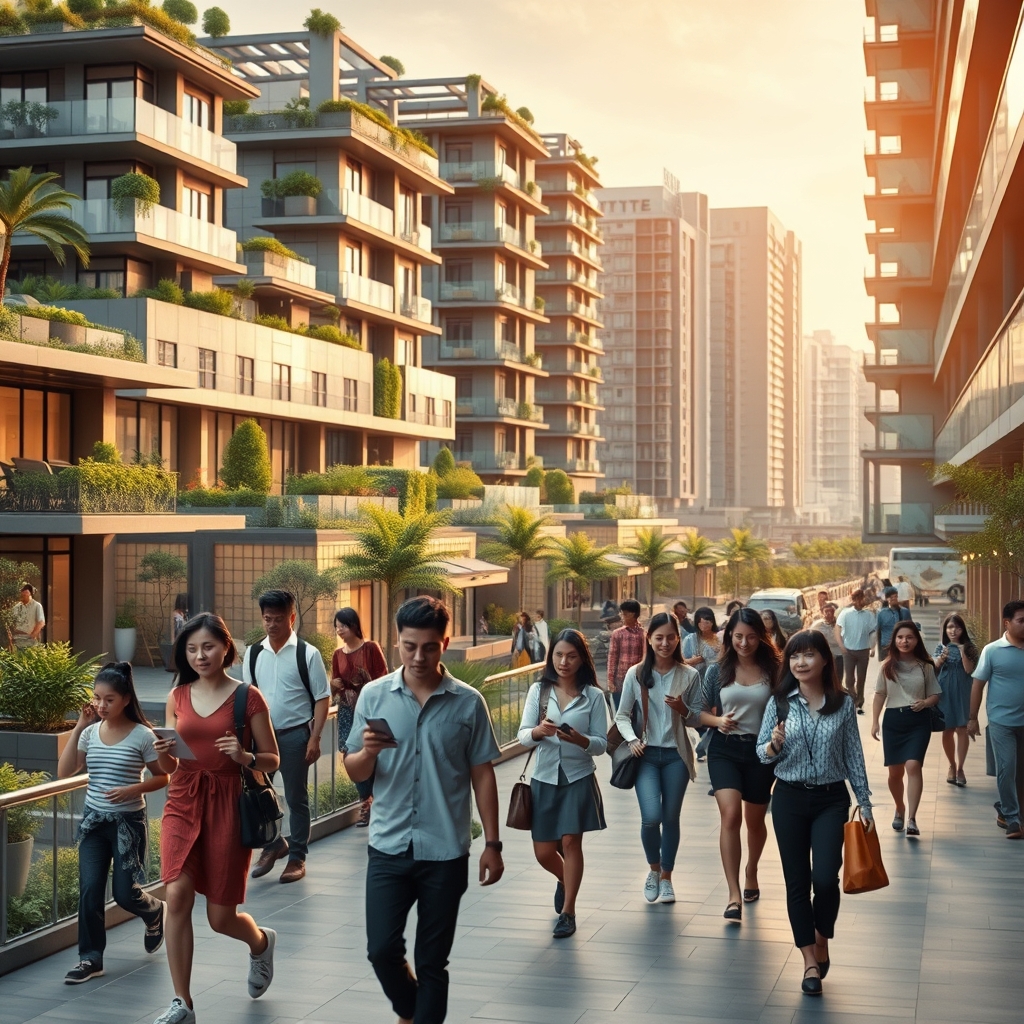
One of the most significant trends shaping Indonesia’s property market is the growing emphasis on smart and sustainable developments. With increasing awareness of environmental issues and the need for energy efficiency, developers are integrating green building practices into their projects. From solar panels and rainwater harvesting systems to energy-efficient lighting and smart home technologies, sustainability is no longer a niche concept but a mainstream expectation.
Cities like Jakarta, Surabaya, and Bandung are leading the charge, with mixed-use developments that prioritize eco-friendly designs. These projects not only reduce the carbon footprint but also appeal to a new generation of environmentally conscious buyers. Additionally, government incentives, such as tax breaks for green-certified buildings, are further accelerating this trend. As we move toward 2026, sustainability will likely become a non-negotiable standard rather than a luxury feature.
Urbanization and the Demand for Affordable Housing
Indonesia’s rapid urbanization continues to drive demand for housing, particularly in major metropolitan areas. However, the challenge lies in addressing the affordability gap. While luxury properties dominate the skyline of cities like Jakarta, there is a pressing need for affordable housing solutions to accommodate the growing middle class and lower-income populations.
The government has introduced several initiatives to tackle this issue, including the One Million Houses program, which aims to provide subsidized housing for low-income families. Developers are also exploring innovative financing models, such as rent-to-own schemes and microfinancing, to make homeownership more accessible. In 2026, the focus on affordable housing is expected to intensify, with public-private partnerships playing a key role in bridging the gap between supply and demand.
Technological Disruption in Real Estate
Technology is revolutionizing every aspect of the property market, from construction to sales and property management. The adoption of digital tools, such as virtual reality (VR) tours, blockchain for secure transactions, and artificial intelligence (AI) for market analysis, is streamlining processes and enhancing the customer experience. For instance, VR tours allow potential buyers to explore properties remotely, saving time and resources for both buyers and sellers.
Moreover, proptech startups are emerging as key players in the market, offering platforms that connect buyers, sellers, and agents more efficiently. These innovations are not only improving transparency but also reducing transaction costs. As technology continues to evolve, it will reshape how properties are bought, sold, and managed, making the market more accessible and efficient for all stakeholders.
Regulatory Changes and Their Impact
The Indonesian government has been proactive in implementing regulatory changes to stimulate the property market. One of the most notable reforms is the relaxation of foreign ownership rules, allowing overseas investors to purchase property in certain areas under specific conditions. This move is expected to attract more foreign capital, boosting the market’s growth.
Additionally, the government has introduced tax incentives for first-time homebuyers and developers who focus on affordable housing. These measures aim to encourage investment in the sector while addressing the housing shortage. However, navigating the regulatory landscape can be complex, and staying informed about the latest changes is essential for anyone looking to invest or develop property in Indonesia.
The Shift Toward Mixed-Use Developments
Mixed-use developments are gaining popularity in Indonesia, particularly in urban centers where space is limited. These projects combine residential, commercial, and recreational spaces into a single development, offering convenience and a sense of community. For example, a mixed-use complex might include apartments, offices, retail stores, and green spaces, all within walking distance.
This trend is driven by the desire for a more integrated lifestyle, where residents can live, work, and play in the same area. Mixed-use developments also maximize land use efficiency, making them an attractive option for developers. As urbanization continues, the demand for such projects is expected to rise, particularly in cities like Jakarta, where traffic congestion and long commutes are major concerns.
Investment Opportunities Beyond Jakarta
While Jakarta remains the epicenter of Indonesia’s property market, other cities are emerging as attractive investment destinations. Secondary cities like Surabaya, Medan, and Makassar are experiencing rapid economic growth, driven by infrastructure development and increasing foreign investment. These cities offer lower property prices compared to Jakarta, making them appealing to both local and international investors.
Infrastructure projects, such as the Trans-Java Toll Road and the development of new airports, are improving connectivity and boosting economic activity in these regions. As a result, property prices in secondary cities are expected to appreciate, presenting lucrative opportunities for early investors. Diversifying investments beyond Jakarta could be a strategic move for those looking to capitalize on Indonesia’s growing property market.
The Indonesian property market in 2026 will be defined by its ability to adapt to changing consumer demands, technological advancements, and regulatory reforms. For those willing to navigate its complexities, the market offers a wealth of opportunities, from sustainable developments and affordable housing to mixed-use projects and investments in emerging cities. The key to success lies in staying informed, embracing innovation, and aligning strategies with the evolving needs of a dynamic and diverse population. As the market continues to evolve, those who can anticipate and respond to these trends will be best positioned to thrive in Indonesia’s property landscape.