The Future of Construction: How Smart Technology and Sustainable Methods Are Redefining Urban Development
The construction industry is undergoing a transformative shift, driven by the urgent need for sustainability, efficiency, and innovation. As urban populations grow and environmental concerns intensify, developers, architects, and engineers are embracing cutting-edge technologies and eco-friendly practices to create buildings that are not only structurally sound but also intelligent and sustainable. This evolution is reshaping how we design, construct, and inhabit spaces, from towering high-rises to low-cost housing solutions.
The Rise of Green Building Certification
Green building certification programs, such as LEED (Leadership in Energy and Environmental Design) and BREEAM (Building Research Establishment Environmental Assessment Method), have become benchmarks for sustainable construction. These certifications evaluate buildings based on energy efficiency, water conservation, material selection, and indoor environmental quality. Achieving such certifications is no longer a niche pursuit but a standard expectation for modern developments, particularly in commercial property construction and urban infrastructure projects.
For instance, zero-carbon buildings are gaining traction as cities commit to reducing their carbon footprints. These structures utilize renewable energy sources, such as solar panels and wind turbines, alongside advanced insulation and smart HVAC systems to minimize energy consumption. The result is a built environment that not only reduces operational costs but also contributes to a healthier planet.
Sustainable Construction Methods Leading the Way
Traditional construction methods are being replaced by sustainable alternatives that prioritize resource efficiency and waste reduction. Prefabricated home systems and modular construction trends are at the forefront of this movement. By assembling building components off-site in controlled factory environments, developers can significantly reduce construction time, labor costs, and material waste. This approach is particularly beneficial for low-cost housing technology, where affordability and speed are critical.
Precast concrete solutions are another game-changer in sustainable construction. These pre-manufactured concrete elements are produced in reusable molds, ensuring consistency and durability while minimizing on-site waste. When combined with modern steel structures, precast concrete allows for faster assembly and greater design flexibility, making it ideal for high-rise construction and industrial property development.
Smart Building Technology: The Brain Behind Modern Structures
Smart building technology is revolutionizing how buildings operate, making them more responsive, efficient, and user-friendly. At the heart of this transformation is Building Information Modeling (BIM), a digital tool that enables architects and engineers to create 3D models of structures, simulating everything from energy performance to structural integrity. BIM facilitates better collaboration among stakeholders, reducing errors and optimizing project outcomes.
Beyond BIM, smart glass installation is enhancing energy efficiency by dynamically adjusting tint levels based on sunlight exposure. This technology reduces the need for artificial lighting and air conditioning, lowering energy consumption and operational costs. Similarly, advanced building materials, such as self-healing concrete and phase-change materials, are improving durability and thermal performance, further contributing to energy-efficient design.
Safety and Efficiency on Construction Sites
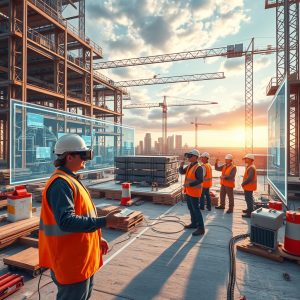
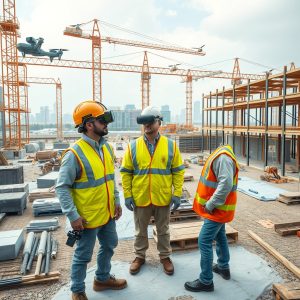
Construction site safety has always been a top priority, but modern technology is taking it to new heights. Drones are now used for site inspections, monitoring progress, and identifying potential hazards without putting workers at risk. Wearable technology, such as smart helmets and exoskeletons, is also improving worker safety by providing real-time data on environmental conditions and physical strain.
In addition to safety, technology is streamlining construction processes. Automated machinery and robotics are handling repetitive tasks, such as bricklaying and welding, with greater precision and speed. This not only reduces labor costs but also minimizes human error, leading to higher-quality outcomes. For residential building contractors, these innovations translate into faster project completion and greater client satisfaction.
The Role of Eco-Friendly Architecture in Urban Development
Eco-friendly architecture is no longer a trend but a necessity in urban development. Architects are increasingly incorporating biophilic design principles, which integrate natural elements like greenery, natural light, and water features into buildings. This approach enhances occupant well-being while reducing the environmental impact of structures.
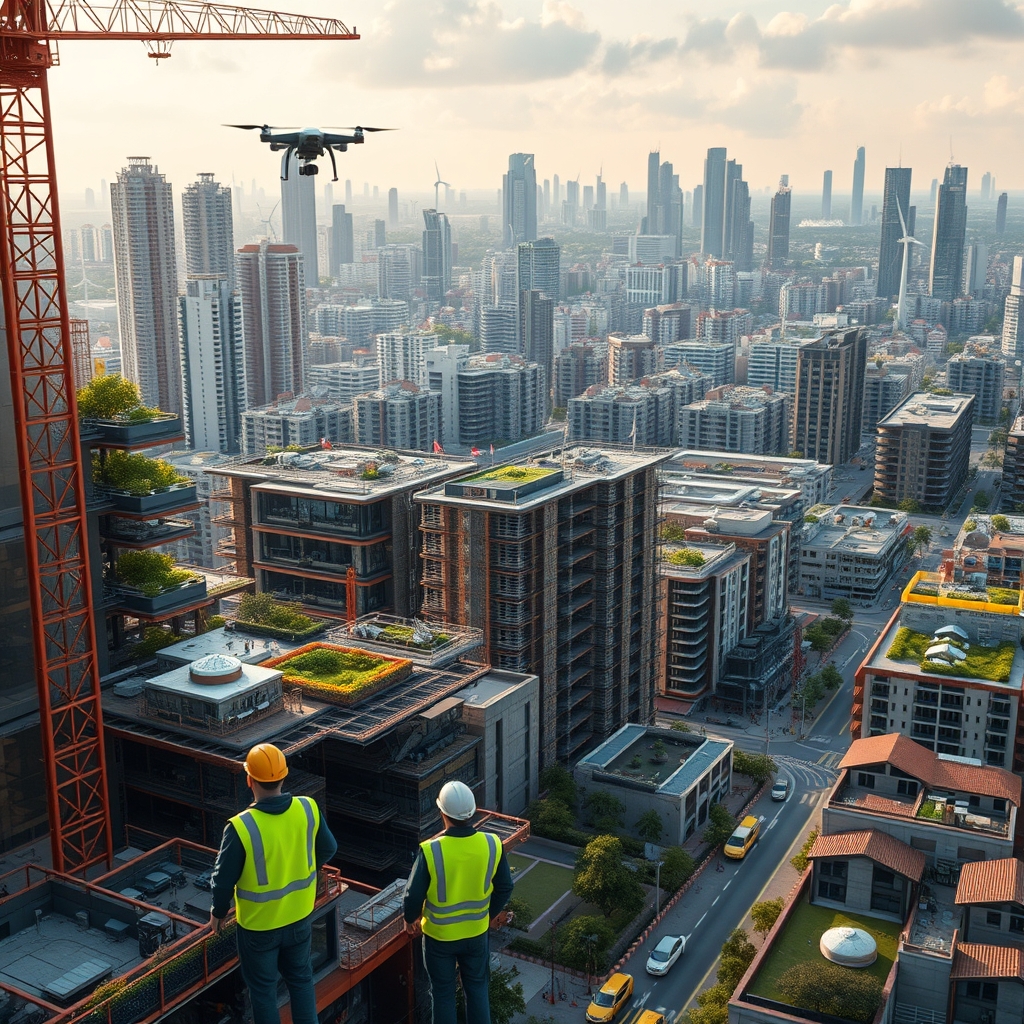
Urban infrastructure projects are also embracing sustainability by prioritizing pedestrian-friendly designs, green roofs, and renewable energy integration. For example, smart cities are leveraging IoT (Internet of Things) technology to optimize traffic flow, reduce energy consumption, and improve waste management. These innovations are creating more livable, resilient urban environments that can adapt to the challenges of climate change.
As the construction industry continues to evolve, the integration of smart technology and sustainable methods will play a pivotal role in shaping the future of urban development. From zero-carbon buildings to modular construction trends, these advancements are not only improving efficiency and safety but also ensuring that our built environment aligns with the principles of sustainability and innovation. The buildings of tomorrow are being designed today, and they promise to be smarter, greener, and more resilient than ever before.