Crafting the Future: How Immersive Tech and Lean Practices Are Redefining Sustainable Construction
In the ever-evolving landscape of construction, the integration of immersive technologies and lean practices is paving the way for a new era of sustainable building. This synergy is not only enhancing the efficiency and quality of projects but also fostering a more human-centric approach to construction.
Immersive Construction Planning
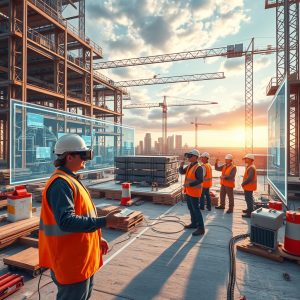
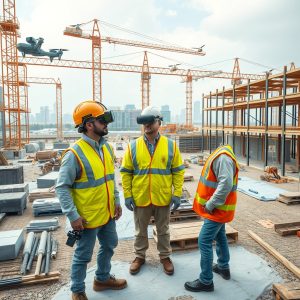
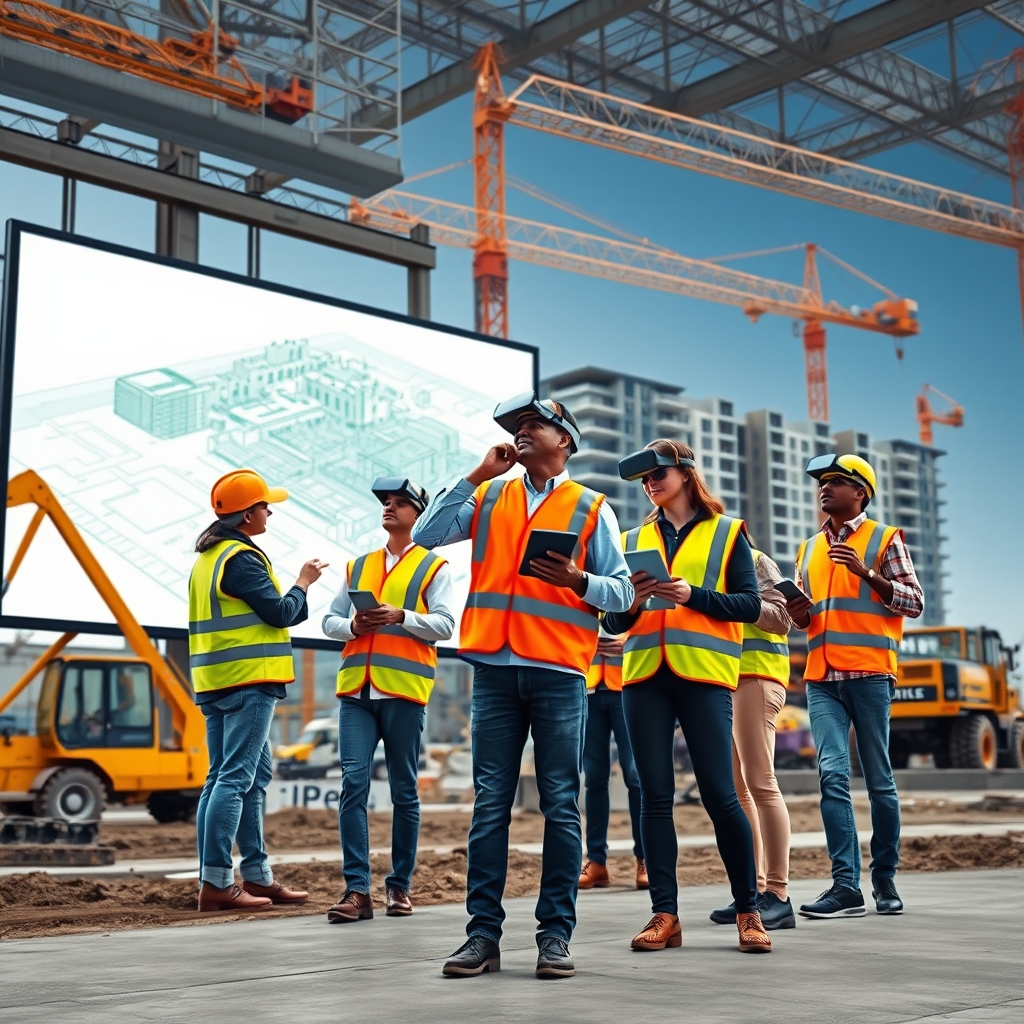
Immersive technologies, such as virtual reality (VR) and augmented reality (AR), are revolutionizing the way construction projects are planned and executed. By creating a digital twin of the construction site, project teams can visualize the project in a virtual environment, identify potential issues, and make informed decisions before any physical work begins. This not only reduces the risk of errors and rework but also enhances the overall quality of the project.
Digital Twin Site Management
Digital twin site management takes immersive construction planning a step further by providing real-time data and insights into the construction process. By integrating data from various sources, such as sensors, drones, and IoT devices, project teams can monitor the progress of the project, track resource allocation, and ensure that the project stays on schedule and within budget. This level of transparency and accountability is crucial for the success of any construction project.
Lean Construction Practices
Lean construction practices, inspired by the principles of lean manufacturing, focus on the elimination of waste and the continuous improvement of processes. By streamlining workflows, optimizing resource allocation, and fostering a culture of collaboration and continuous learning, lean construction practices can significantly enhance the efficiency and sustainability of construction projects.
Collaborative Building Design
Collaborative building design is a key aspect of lean construction practices. By bringing together architects, engineers, contractors, and other stakeholders early in the design process, project teams can identify and address potential issues, optimize the use of materials and resources, and ensure that the final product meets the needs and expectations of all parties involved. This collaborative approach not only enhances the quality of the project but also fosters a sense of ownership and commitment among all stakeholders.
Human-Centric Structural Design
Human-centric structural design is another important aspect of sustainable construction. By considering the needs, preferences, and well-being of the users, architects and engineers can create buildings that are not only functional and aesthetically pleasing but also supportive of the health and happiness of the people who inhabit them. This approach to design is not only more sustainable but also more fulfilling for the people who use the buildings.
Eco-Friendly Material Selection
Eco-friendly material selection is a crucial aspect of human-centric structural design. By using materials that are sustainable, durable, and low in environmental impact, architects and engineers can create buildings that are not only beautiful and functional but also respectful of the environment. From recycled materials to bio-based composites, there are many options available that can help reduce the carbon footprint of a building and enhance its overall sustainability.
Experiential Construction Workflow
Experiential construction workflow is a holistic approach to construction that focuses on the overall experience of the project, from the initial design and planning stages to the final handover and occupancy. By involving the end-users in the design process and providing them with a sense of ownership and involvement throughout the construction process, project teams can create buildings that are not only functional and aesthetically pleasing but also supportive of the well-being and happiness of the people who inhabit them.
Smart Site Monitoring
Smart site monitoring is a key aspect of experiential construction workflow. By using advanced technologies, such as sensors, drones, and IoT devices, project teams can monitor the progress of the project, track resource allocation, and ensure that the project stays on schedule and within budget. This level of transparency and accountability is not only crucial for the success of the project but also enhances the overall experience of the project for all stakeholders.
In conclusion, the integration of immersive technologies and lean practices is paving the way for a new era of sustainable construction. By enhancing the efficiency and quality of projects, fostering a more human-centric approach to construction, and promoting the use of sustainable materials and practices, this synergy is not only shaping the future of construction but also creating a more sustainable and fulfilling built environment for all.