Energy-Efficient Design Meets Modern Steel Structures: The Future of Sustainable High-Rise Construction
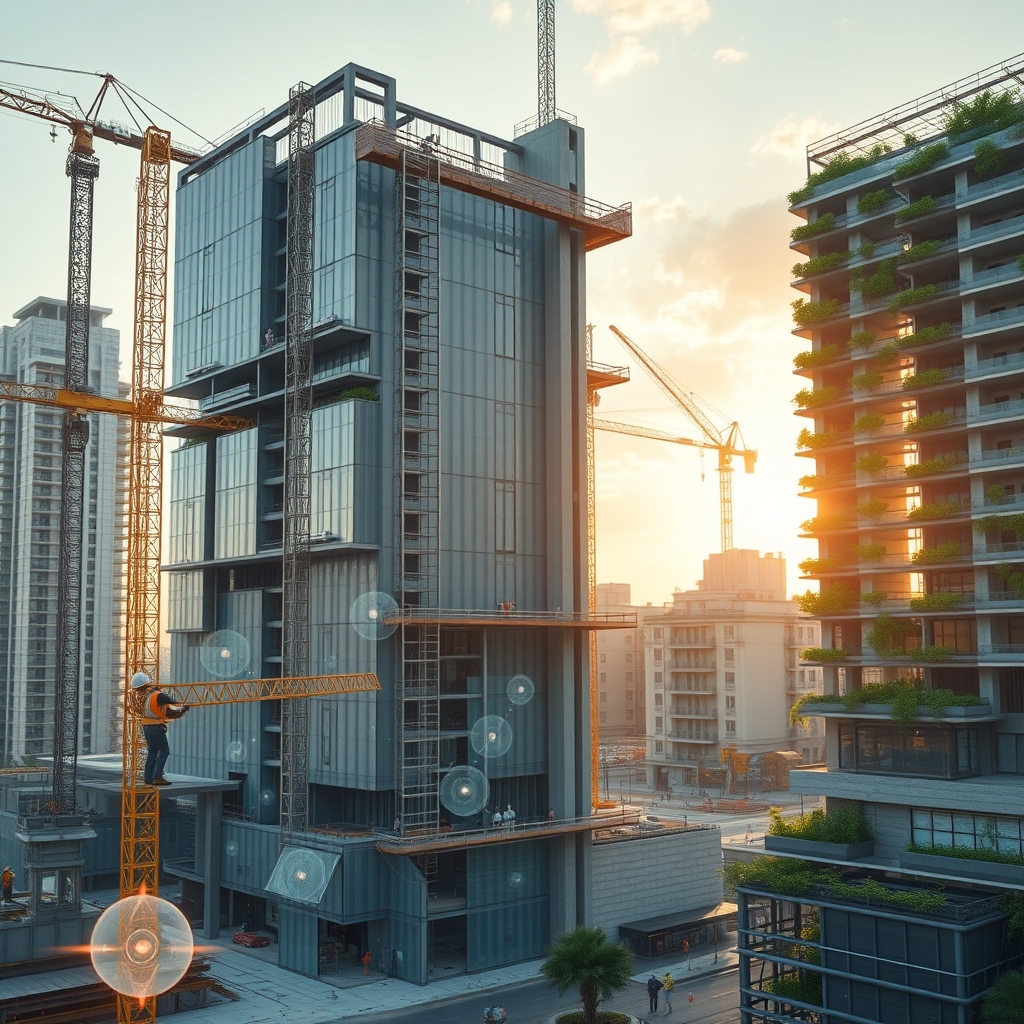
The global construction industry is undergoing a transformative shift, driven by the urgent need for sustainability and efficiency. At the intersection of innovation and environmental responsibility, energy-efficient design and modern steel structures are emerging as the cornerstone of next-generation high-rise construction. This evolution is not just about reducing carbon footprints; it’s about reimagining how we build our cities to create spaces that are resilient, adaptable, and in harmony with the planet.
The Evolution of Steel in Sustainable Construction
Steel has long been a staple in construction, prized for its strength, durability, and versatility. However, traditional steel production has been associated with significant environmental costs, primarily due to its high carbon emissions. The industry has responded with groundbreaking advancements, such as the development of low-carbon steel and recycled steel, which drastically reduce the material’s environmental impact. These innovations are making steel not just a viable option for sustainable construction but a preferred one.
Modern steel structures are now designed with circular economy principles in mind. This means that steel components are engineered for longevity, reusability, and recyclability, minimizing waste and maximizing resource efficiency. For example, modular steel framing systems allow for easy disassembly and reassembly, enabling buildings to adapt to changing needs without requiring complete demolition. This approach not only extends the lifespan of materials but also reduces the demand for new resources, aligning with the goals of zero-carbon buildings.
Energy-Efficient Design: A Holistic Approach
Energy efficiency in high-rise construction goes beyond simply installing solar panels or energy-efficient windows. It requires a holistic design strategy that integrates passive design principles, smart building technologies, and advanced materials to create structures that consume minimal energy while maximizing comfort and functionality. One of the most effective strategies is bioclimatic design, which leverages natural elements like sunlight, wind, and vegetation to regulate temperature and lighting within a building.
For instance, double-skin facades are becoming increasingly popular in high-rise construction. These systems consist of two layers of glass or other materials with an air gap in between, which acts as a thermal buffer. This design reduces the need for artificial heating and cooling, significantly lowering energy consumption. When combined with smart glass technology, which can adjust its tint based on sunlight intensity, buildings can achieve unprecedented levels of energy efficiency without compromising on aesthetics or occupant comfort.
The Role of Building Information Modeling (BIM)
No discussion of energy-efficient design would be complete without mentioning Building Information Modeling (BIM). BIM is a digital tool that allows architects, engineers, and contractors to create a detailed, data-rich model of a building before construction begins. This model can simulate various environmental conditions, such as sunlight exposure, wind patterns, and thermal performance, enabling designers to optimize the building’s energy efficiency before a single brick is laid.
BIM also facilitates better collaboration among stakeholders, ensuring that energy-efficient design principles are integrated seamlessly into every phase of construction. For example, BIM can help identify the most effective placement of solar panels, the optimal orientation of the building to maximize natural light, and the best materials to use for insulation. By providing a comprehensive view of the project, BIM reduces errors, minimizes waste, and ensures that the final structure meets the highest standards of sustainability.
Precast Concrete and Steel: A Powerful Combination
While steel is a critical component of modern high-rise construction, its potential is often amplified when combined with other advanced materials. Precast concrete is one such material that complements steel beautifully, offering a range of benefits for energy-efficient design. Precast concrete is manufactured off-site in controlled environments, which ensures consistent quality and reduces construction waste. It also has excellent thermal mass properties, meaning it can absorb and store heat during the day and release it at night, helping to regulate indoor temperatures naturally.
When used in conjunction with steel, precast concrete can create hybrid structures that are not only strong and durable but also highly energy-efficient. For example, steel-concrete composite floors are a popular choice in high-rise construction because they combine the strength of steel with the thermal mass of concrete. This synergy results in buildings that require less energy for heating and cooling, further reducing their environmental impact.
Smart Building Technology: The Brain Behind Efficiency
Energy-efficient design is not a static concept; it evolves as new technologies emerge. Smart building technology is at the forefront of this evolution, providing real-time data and automation capabilities that enable buildings to operate at peak efficiency. These systems use sensors, IoT devices, and artificial intelligence to monitor and control everything from lighting and HVAC systems to water usage and security.
For example, smart thermostats can learn the occupancy patterns of a building and adjust heating and cooling settings accordingly, reducing energy waste. Similarly, automated lighting systems can dim or turn off lights in unoccupied areas, further lowering energy consumption. When integrated with renewable energy sources like solar or wind power, smart building technology can help high-rise structures achieve net-zero energy status, where the building produces as much energy as it consumes.
The Future of High-Rise Construction: A Sustainable Vision
As cities continue to grow and urbanization accelerates, the demand for high-rise construction will only increase. However, this growth must be managed in a way that prioritizes sustainability and minimizes environmental impact. The combination of energy-efficient design and modern steel structures offers a promising path forward, enabling the construction of buildings that are not only tall and impressive but also responsible and resilient.
Innovations like low-carbon steel, precast concrete, smart building technology, and BIM are not just trends; they are the building blocks of a new era in construction. By embracing these advancements, the industry can create structures that meet the needs of today without compromising the ability of future generations to meet their own. The skyline of tomorrow will be defined not just by height, but by the intelligence, efficiency, and sustainability of its design, proving that the future of construction is not just about building up—it’s about building better.