The Future of Construction: How Immersive Tech and Lean Practices Are Crafting Sustainable, Human-Centric Sites
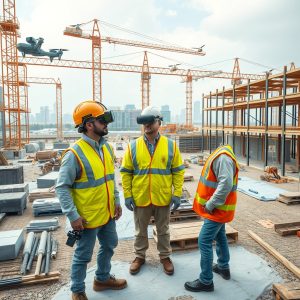
In the ever-evolving landscape of construction, the integration of immersive technology and lean practices is revolutionizing the way we build. This symbiotic relationship is not only enhancing the sustainability of our projects but also placing the human element at the forefront of the design and execution process.
Immersive Construction Planning
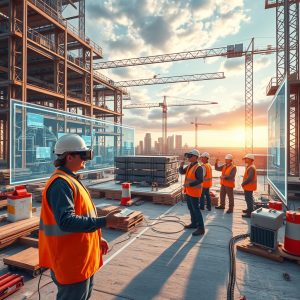
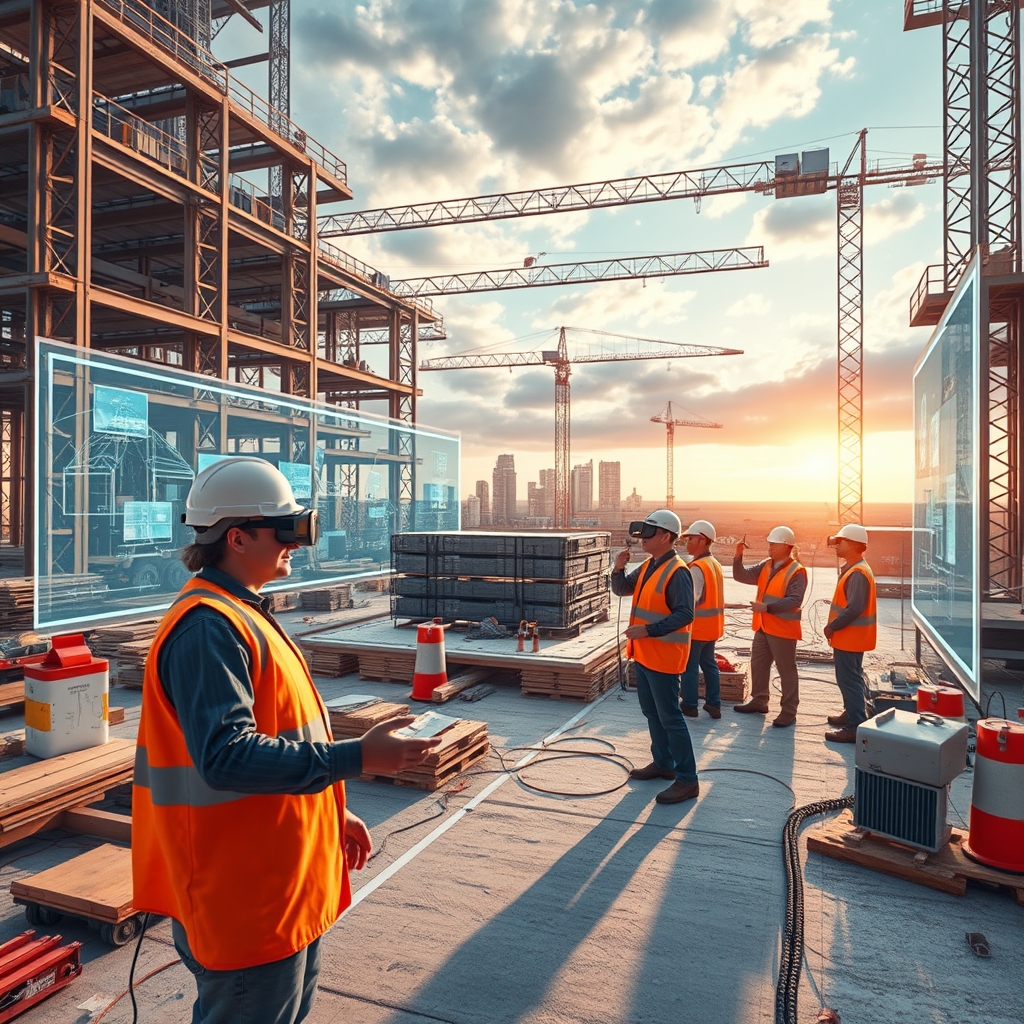
Immersive technology, particularly virtual reality (VR) and augmented reality (AR), is transforming the way construction projects are planned and executed. By creating a digital twin of the construction site, stakeholders can visualize the project in a 3D environment, enabling them to identify potential issues and optimize the design before any physical work begins. This not only reduces the risk of costly errors but also enhances the overall quality of the final product.
Digital Twin Site Management
Digital twin technology extends beyond the planning phase to the management of the construction site. By continuously updating the digital twin with real-time data from sensors and other monitoring devices, project managers can keep track of the progress, resource allocation, and any potential issues. This level of transparency and real-time data allows for more efficient resource allocation and quicker decision-making, ultimately leading to a more sustainable and human-centric construction process.
Lean Construction Practices
Lean construction practices, rooted in the principles of lean manufacturing, are focused on the elimination of waste and the continuous improvement of processes. By applying lean principles to construction, we can achieve significant improvements in efficiency, quality, and sustainability. Lean practices encourage collaboration and communication among all stakeholders, fostering a culture of continuous learning and improvement.
Collaborative Building Design
Collaborative building design is a key aspect of lean construction practices. By involving all stakeholders in the design process, we can ensure that the final product meets the needs and expectations of everyone involved. This collaborative approach not only enhances the quality of the design but also fosters a sense of ownership and commitment among the team members.
Experiential Construction Workflow
An experiential construction workflow integrates immersive technology and lean practices to create a seamless and efficient construction process. By using VR and AR to simulate the construction process, the team can identify and address potential issues before they become problems on the physical site. This not only reduces the risk of delays and cost overruns but also enhances the overall quality of the final product.
Smart Site Monitoring
Smart site monitoring involves the use of sensors and other monitoring devices to collect real-time data on the construction site. This data is then used to update the digital twin and inform decision-making. By continuously monitoring the site, we can identify potential issues early and take corrective action, ensuring the smooth and efficient execution of the project.
Human-Centric Structural Design
Human-centric structural design focuses on the well-being and comfort of the building’s users. By considering factors such as natural lighting, ventilation, and acoustic performance, we can create buildings that are not only functional but also enjoyable and sustainable. This approach to design is not only beneficial for the occupants but also for the environment, as it reduces the need for artificial heating, cooling, and lighting.
Eco-Friendly Material Selection
Eco-friendly material selection is a key aspect of sustainable construction. By choosing materials that are sustainable, recyclable, and have a low environmental impact, we can reduce the carbon footprint of our projects. This not only benefits the environment but also enhances the overall quality and durability of the building.
In conclusion, the integration of immersive technology and lean practices is transforming the construction industry, making it more sustainable, efficient, and human-centric. By embracing these innovative approaches, we can create buildings that are not only functional and beautiful but also have a positive impact on the environment and the people who use them.