Crafting the Future: How Immersive Tech and Lean Practices Are Redefining Sustainable Construction

In the ever-evolving landscape of construction, the fusion of immersive technology and lean practices is heralding a new era of sustainable building. This synergy is not merely about adopting new tools; it’s about reimagining the entire construction process, from design to completion, with a focus on efficiency, sustainability, and human-centric design.
Immersive Construction Planning
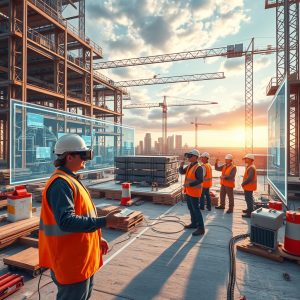
Immersive technology, such as virtual reality (VR) and augmented reality (AR), is revolutionizing the way construction projects are planned and executed. By creating a digital twin of the construction site, project stakeholders can visualize the project in a 3D environment, identify potential issues, and make informed decisions before any physical work begins. This approach not only reduces the risk of errors but also enhances collaboration among team members, regardless of their physical location.
Digital Twin Site Management
Digital twins are dynamic digital representations of physical assets or systems. In the context of construction, a digital twin can simulate the entire lifecycle of a building, from its initial design to its eventual demolition. This allows project managers to monitor the project’s progress in real-time, predict potential issues, and optimize resource allocation. The use of digital twins in site management is a testament to the power of immersive technology in making construction processes more transparent and efficient.
Lean Construction Practices
Lean construction is a methodology that aims to eliminate waste in the construction process. It emphasizes the importance of collaboration, communication, and continuous improvement. By focusing on value-adding activities and eliminating non-value-adding ones, lean construction practices can significantly improve project efficiency and reduce costs.
Collaborative Building Design
Collaborative building design is a key aspect of lean construction. It involves bringing together architects, engineers, contractors, and other stakeholders from the beginning of the project. This collaborative approach ensures that everyone is aligned with the project’s goals and can contribute their expertise to the design process. The use of immersive technology in collaborative building design further enhances this process by providing a shared digital space where ideas can be discussed and refined in real-time.
Human-Centric Structural Design
Human-centric structural design is another crucial element of sustainable construction. It focuses on creating buildings that are not only functional and aesthetically pleasing but also comfortable and healthy for the people who will use them. This approach considers factors such as natural lighting, ventilation, and acoustic properties, as well as the overall layout and flow of the building.
Eco-Friendly Material Selection
Eco-friendly material selection is a critical aspect of human-centric structural design. By choosing materials that are sustainable, durable, and low-maintenance, builders can create buildings that have a minimal environmental impact. Additionally, these materials can enhance the comfort and health of the building’s occupants, making the building more than just a place to live or work, but a place to thrive.
Smart Site Monitoring
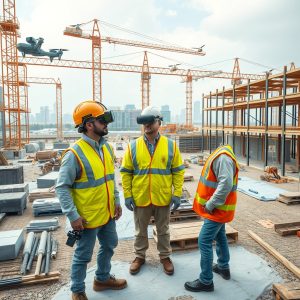
Smart site monitoring is another area where immersive technology is making a significant impact. By using sensors and other monitoring devices, project managers can track the progress of the construction site in real-time. This information can be used to identify potential issues, optimize resource allocation, and ensure that the project is on track to meet its goals.
Tech-Integrated Site Supervision
Tech-integrated site supervision takes smart site monitoring a step further by integrating advanced technologies such as artificial intelligence (AI) and machine learning (ML). These technologies can analyze the data collected from the construction site, identify patterns and trends, and provide insights that can help improve the project’s efficiency and quality. By using tech-integrated site supervision, project managers can make more informed decisions and ensure that the project is completed on time, within budget, and to the highest standards.
The future of construction is being shaped by the integration of immersive technology and lean practices. By embracing these innovative approaches, the construction industry can create buildings that are not only sustainable and efficient but also enhance the quality of life for their occupants. As we continue to explore and develop these technologies, we can look forward to a future where construction is a collaborative, transparent, and human-centric process.