The Architectural Mirage: How Artificial Archipelagos Are Exploiting the Illusion of Infinite Space
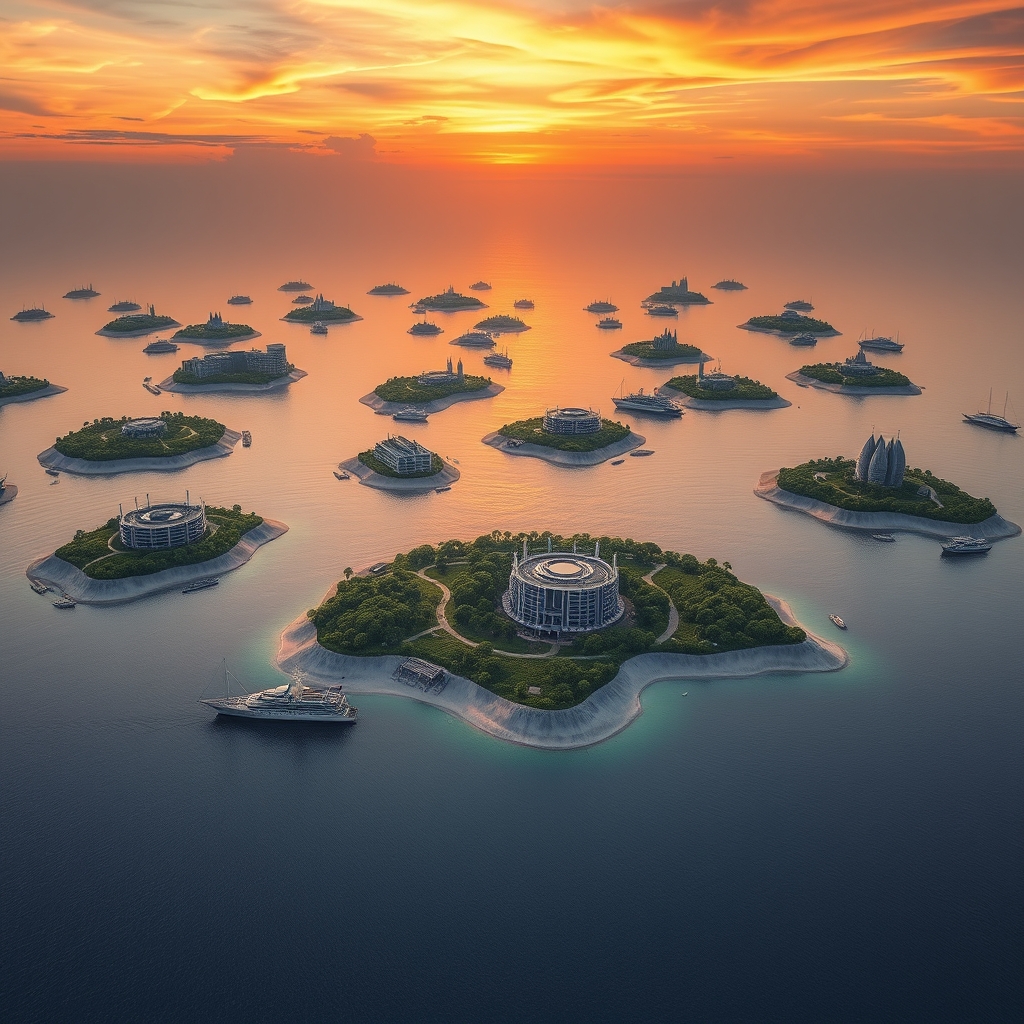
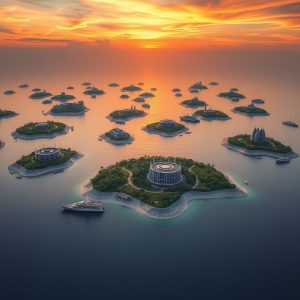
In the grand theater of urban expansion, a new act has taken center stage: the rise of artificial archipelagos. These man-made islands, crafted from sand and concrete, are being touted as the solution to urban congestion and the promise of infinite space. However, beneath the glittering facade of progress lies a complex interplay of environmental, social, and ethical considerations.
The Illusion of Space
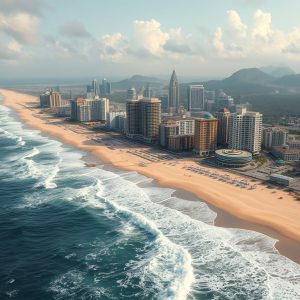
Artificial archipelagos are often presented as a panacea for urban sprawl. With cities like Dubai and Singapore leading the charge, these islands are designed to house everything from luxury resorts to entire cities. The allure of infinite space, it seems, is irresistible. But what is the true cost of this illusion?
The Environmental Toll
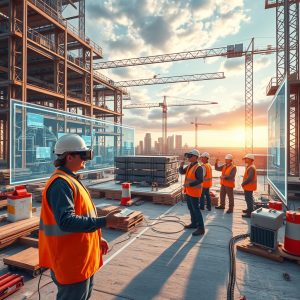
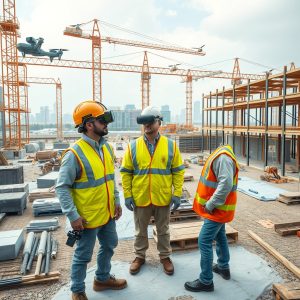
The creation of artificial islands is a labor-intensive process. Dredging operations, the primary method of land reclamation, involve the extraction of sediment from the seabed. This not only disrupts local ecosystems but also contributes to the global sediment deficit, a critical issue for coastal protection. Moreover, the use of concrete and steel in the construction of these islands has a significant carbon footprint, further exacerbating the environmental impact.
The Social and Ethical Dilemma
The social implications of artificial archipelagos are equally complex. The displacement of local communities, the loss of cultural heritage, and the potential for increased inequality are all significant concerns. The ethical question of who owns these islands and who benefits from their creation is a contentious one, with geopolitical implications that extend beyond the shores.
The Fragility of the Foundation
Artificial islands are not as permanent as they seem. The delicate balance of nature, with its ever-changing tides and unpredictable weather patterns, is a constant threat to these man-made creations. The erosion of shorelines, the shifting of sand, and the potential for catastrophic events like tsunamis or hurricanes are all real and present dangers. The illusion of permanence, therefore, is a dangerous one.
The Economic Cost
The economic cost of maintaining these islands is also a significant consideration. The need for constant dredging and maintenance, the potential for damage from storms, and the need for specialized infrastructure all contribute to a high cost of ownership. This, in turn, raises questions about the sustainability of this form of urban expansion.
The Blue Economy
The concept of the blue economy, which seeks to sustainably manage and use ocean resources, is often invoked in the context of artificial archipelagos. However, the true cost of this approach is often overlooked. The environmental damage caused by dredging, the potential for increased coastal erosion, and the potential for the displacement of marine life are all significant factors that need to be considered.
In the grand theater of urban expansion, the rise of artificial archipelagos represents a complex interplay of environmental, social, and ethical considerations. The illusion of infinite space, the fragility of the foundation, and the true cost of the blue economy are all significant factors that need to be considered. As we continue to navigate this new frontier of urban expansion, it is crucial that we approach these issues with a critical eye, ensuring that the pursuit of progress does not come at the cost of our planet and its inhabitants.