The Next Frontier: How Immersive Tech and Lean Practices Are Crafting Adaptive, Eco-Friendly Construction Sites
Construction sites have long been synonymous with dust, noise, and rigid workflows. But what if the future of building could be as fluid as the structures themselves? The convergence of immersive technology and lean construction practices is redefining how projects are planned, executed, and adapted—ushering in an era where sites are not just efficient but also inherently sustainable and responsive to human needs. This transformation isn’t just about adopting new tools; it’s about reimagining the very DNA of construction.
The Power of Immersive Construction Planning
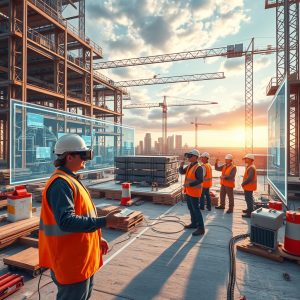
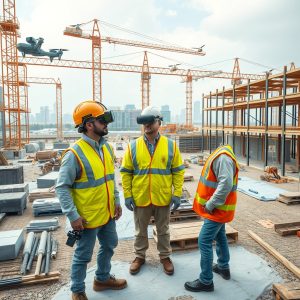
Imagine stepping onto a construction site before a single brick is laid. Immersive technologies like virtual reality (VR) and augmented reality (AR) are making this possible, allowing teams to visualize projects in three dimensions, identify potential clashes, and optimize layouts long before ground is broken. These tools don’t just enhance precision—they democratize decision-making. Architects, engineers, and even clients can walk through a digital twin of the project, experiencing spaces as they would in reality and providing feedback that shapes the final outcome.
For example, a team using VR can simulate how natural light will interact with a building’s design at different times of the year, ensuring energy efficiency without sacrificing aesthetics. Similarly, AR overlays can guide workers on-site, reducing errors and rework by providing real-time visual instructions. The result? Fewer delays, less waste, and a workflow that feels less like a rigid plan and more like a dynamic, evolving process.
Lean Practices: The Backbone of Adaptive Construction
At its core, lean construction is about eliminating waste—whether it’s time, materials, or effort. But its true power lies in its adaptability. Unlike traditional methods that rely on fixed schedules and linear progress, lean practices embrace flexibility, allowing teams to pivot in response to challenges or new insights. This adaptability is critical in an industry where unforeseen variables—from supply chain disruptions to weather delays—are the norm.
One of the most impactful lean techniques is the Last Planner System, which shifts control from top-down management to frontline teams. Workers and supervisors collaborate to create short-term plans, identifying potential bottlenecks and adjusting workflows in real time. This not only improves efficiency but also fosters a culture of ownership and accountability. When combined with digital tools like building information modeling (BIM), lean practices enable teams to simulate different scenarios, optimizing resource allocation and minimizing waste before it happens.
Eco-Friendly Material Selection: A Natural Ally
Sustainability isn’t just a buzzword in modern construction—it’s a necessity. The integration of immersive tech and lean practices has made it easier than ever to prioritize eco-friendly materials without compromising on quality or cost. Digital twins, for instance, can simulate the lifecycle of materials, helping teams select options that are durable, recyclable, and low in embodied carbon. Meanwhile, lean practices ensure that materials are ordered and used efficiently, reducing overproduction and waste.
Consider cross-laminated timber (CLT), a material that’s gaining traction for its strength, sustainability, and aesthetic appeal. By using VR to visualize how CLT will perform in a structure, teams can confidently incorporate it into designs, knowing it will meet both structural and environmental goals. Similarly, prefabricated components—another lean-friendly solution—can be manufactured off-site with minimal waste, then assembled quickly on-site, further reducing the project’s carbon footprint.
Human-Centric Design: Putting People First
Technology and efficiency are only part of the equation. The most successful construction projects are those that prioritize the people who will use them—whether it’s the workers building them or the occupants who will call them home. Human-centric design ensures that spaces are not only functional but also comfortable, accessible, and inspiring. Immersive tech plays a key role here, allowing designers to experience a space from the perspective of its users. For example, a VR simulation can reveal how a building’s layout might impact the well-being of its occupants, prompting adjustments to improve natural light, ventilation, or acoustics.
Lean practices complement this by fostering collaboration and communication among all stakeholders. When workers feel heard and valued, they’re more likely to take pride in their work, leading to higher-quality outcomes. Similarly, when clients are actively involved in the design process—through tools like VR walkthroughs—they’re more likely to be satisfied with the final result, reducing the need for costly changes later on.
Real-Time Transparency: The Glue That Holds It All Together
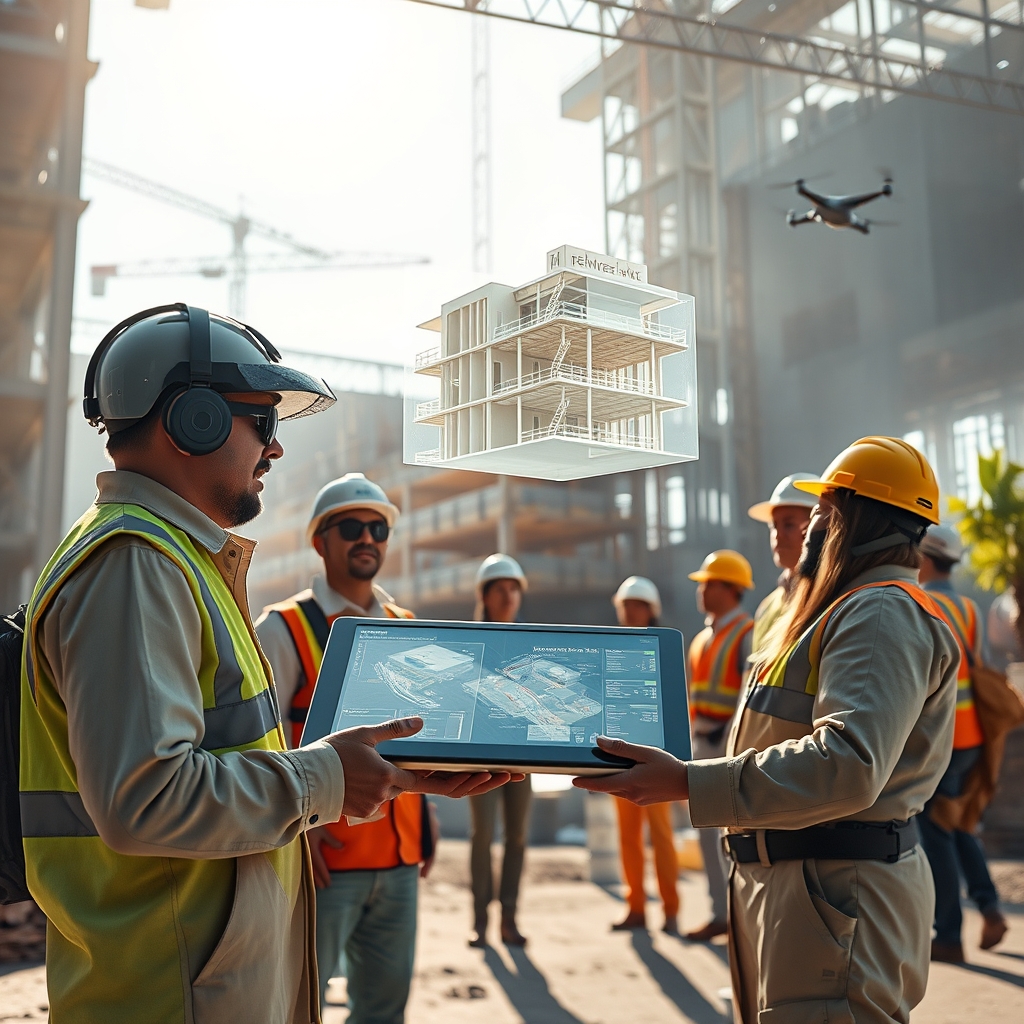
In a world where data is king, real-time transparency is the glue that holds these innovations together. Digital twin site management, for instance, provides a live, 360-degree view of a project’s progress, allowing teams to monitor everything from material deliveries to worker safety. This level of visibility enables proactive decision-making, as potential issues can be identified and addressed before they escalate. It also builds trust among stakeholders, as clients and investors can track progress in real time, reducing the need for lengthy status updates or site visits.
Smart site monitoring takes this a step further by using IoT sensors to collect data on everything from air quality to equipment usage. This data can be fed into a digital twin, creating a feedback loop that continuously optimizes the construction process. For example, sensors might detect that a particular piece of machinery is being underutilized, prompting a reallocation of resources to improve efficiency. Or they might reveal that a certain area of the site is prone to dust buildup, triggering adjustments to ventilation or workflows to protect worker health.
The Road Ahead: A Construction Site That Learns and Adapts
The construction sites of the future won’t just be places where buildings are assembled—they’ll be living, breathing ecosystems that learn and adapt in real time. By combining immersive technology, lean practices, and a human-centric approach, the industry is moving toward a model where projects are not only completed faster and more sustainably but also with greater care for the people who bring them to life. This isn’t just a shift in how we build; it’s a shift in how we think about building. And as these tools and techniques become more widespread, the line between the digital and physical worlds will blur, creating a construction process that’s as intuitive as it is innovative.
The most exciting part? We’re only scratching the surface. As AI, machine learning, and other emerging technologies continue to evolve, the possibilities for adaptive, eco-friendly construction will expand even further. The question isn’t whether the industry will change—it’s how quickly we can embrace these innovations to create a built environment that’s smarter, greener, and more human than ever before.