Revolutionizing Construction: The Power of Lean Practices and Digital Twins
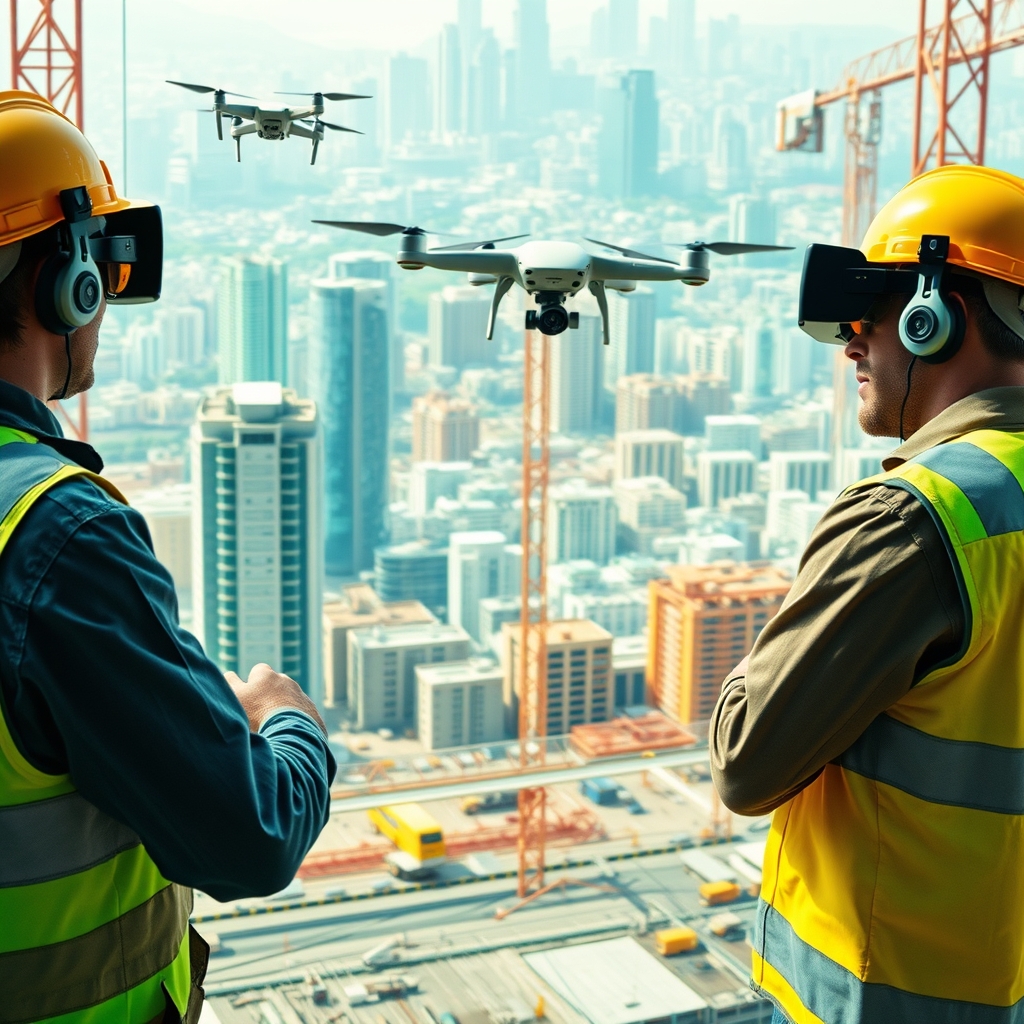
In the ever-evolving landscape of construction, the integration of technology and sustainable practices has become paramount. One of the most significant advancements in this realm is the adoption of lean construction practices and digital twin technology. These innovations are not just transforming the way buildings are constructed; they are redefining the entire construction ecosystem.
Lean Construction Practices
Lean construction is a methodology that focuses on maximizing customer value while minimizing waste. It is inspired by the principles of lean manufacturing, which have been successfully applied in various industries. The core idea is to create more value for the customer with fewer resources.
One of the key benefits of lean construction is its ability to streamline processes and reduce inefficiencies. By eliminating waste, such as unnecessary motion, waiting time, and overproduction, lean practices ensure that resources are used more effectively. This not only saves time and money but also contributes to a more sustainable construction process.
Implementing Lean Practices
Implementing lean practices in construction involves several steps. First, it is essential to identify value from the customer’s perspective. This means understanding what the client truly needs and wants from the project. Once value is defined, the next step is to map the value stream, which involves identifying all the activities required to deliver the product or service.
After mapping the value stream, the focus shifts to creating flow. This means ensuring that the value-creating steps occur in a tight sequence so that the product flows smoothly toward the customer. The final step is to establish a pull system, where production is based on actual customer demand rather than forecasts.
Digital Twin Technology
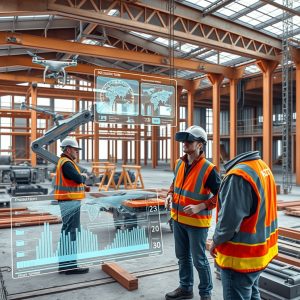
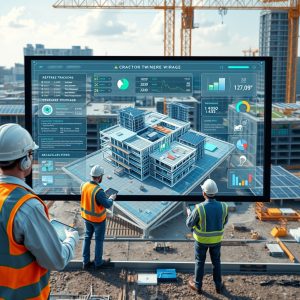
Digital twin technology is another game-changer in the construction industry. A digital twin is a virtual replica of a physical object or system that uses real-time data to understand its performance, optimize its operation, and predict future behavior. In construction, digital twins can be used to create immersive construction planning and site management solutions.
One of the primary advantages of digital twins is their ability to provide real-time project transparency. By integrating data from various sources, such as sensors, IoT devices, and project management software, digital twins offer a comprehensive view of the construction site. This transparency enables better decision-making, improved coordination, and enhanced collaboration among stakeholders.
Applications of Digital Twins
Digital twins have a wide range of applications in construction. They can be used for immersive construction planning, allowing stakeholders to visualize the project in a virtual environment before any physical work begins. This not only helps in identifying potential issues early on but also facilitates better communication and coordination among team members.
Digital twins can also be employed for site management. By continuously monitoring the construction site in real-time, digital twins enable proactive maintenance, efficient resource allocation, and timely intervention in case of any issues. This leads to a more efficient and cost-effective construction process.
Furthermore, digital twins can be used for quality-focused construction. By simulating various scenarios and testing different materials and designs, digital twins help in ensuring that the final product meets the required quality standards. This reduces the risk of defects and rework, thereby saving time and resources.
In conclusion, the integration of lean construction practices and digital twin technology is revolutionizing the construction industry. These innovations not only enhance efficiency and sustainability but also improve the overall quality of construction projects. As the industry continues to evolve, the adoption of these technologies will become increasingly crucial for staying competitive and meeting the growing demand for sustainable and high-quality buildings.