The Pulse of Progress: How Real-Time Transparency and Collaborative Design Are Redefining Sustainable Construction
The construction industry is undergoing a seismic shift, moving away from siloed workflows and opaque processes toward a future where collaboration and real-time transparency are the cornerstones of success. This transformation isn’t just about adopting new technologies—it’s about reimagining how teams interact, how decisions are made, and how sustainability is woven into every phase of a project. At the heart of this evolution lies a powerful synergy between human-centric design and cutting-edge digital tools, creating a dynamic where efficiency, quality, and environmental responsibility coexist harmoniously.
The Power of Real-Time Transparency
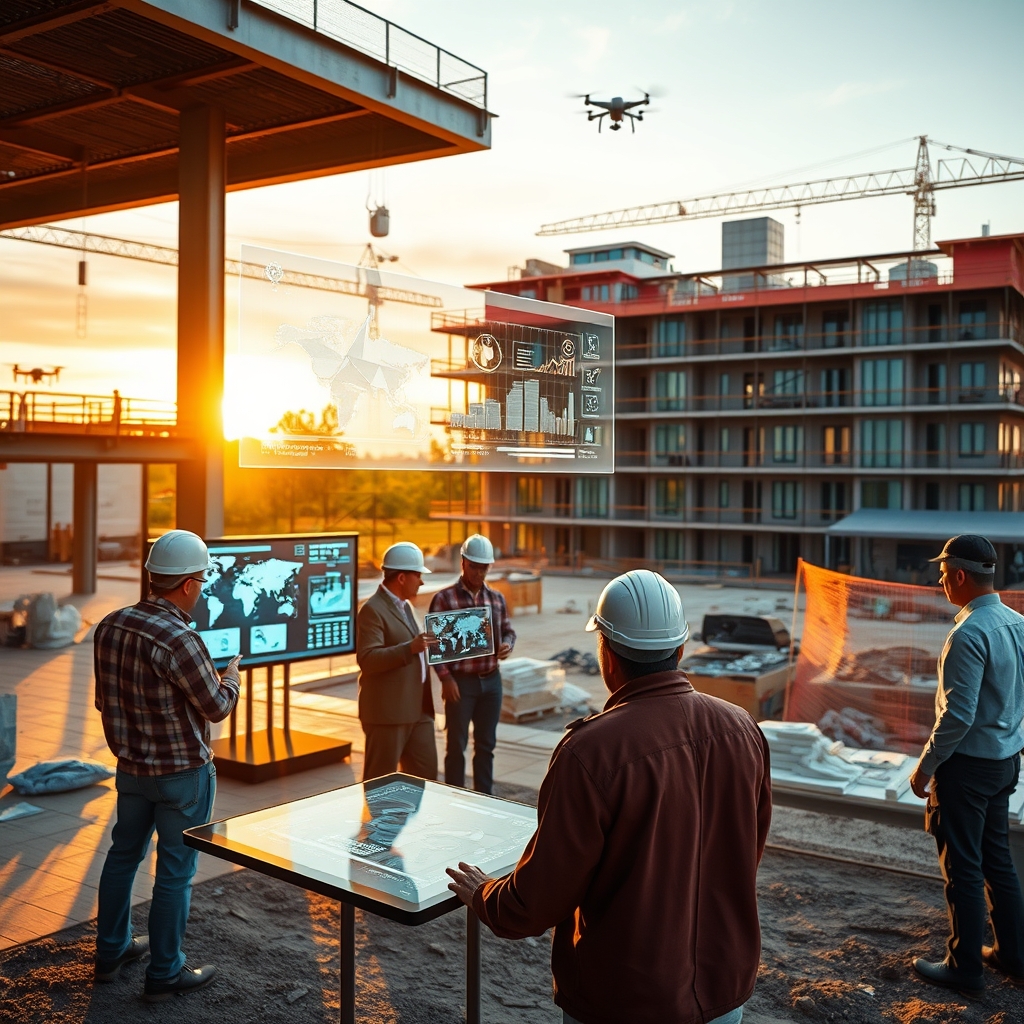
Gone are the days when project updates were confined to weekly meetings or static reports. Today, real-time transparency is revolutionizing construction by providing stakeholders with instant access to critical data. Digital twin site management, for instance, allows teams to monitor progress, identify bottlenecks, and predict potential issues before they escalate. This level of visibility fosters trust among clients, contractors, and designers, ensuring everyone is aligned with the project’s goals and timelines.
Smart site monitoring takes this a step further by integrating IoT sensors and AI-driven analytics to track everything from material usage to worker safety. These systems not only enhance operational efficiency but also enable proactive decision-making. For example, if a sensor detects excessive energy consumption in a specific area, adjustments can be made immediately to optimize resource allocation. The result? Reduced waste, lower costs, and a smaller environmental footprint.
Collaborative Building Design: Breaking Down Silos
Collaboration has always been a buzzword in construction, but true collaborative building design goes beyond mere communication—it’s about creating a shared vision where every stakeholder’s expertise is valued. Human-centric structural design plays a pivotal role here, ensuring that the needs of end-users, from occupants to maintenance teams, are prioritized from the outset. This approach not only improves functionality but also enhances the long-term sustainability of a building.
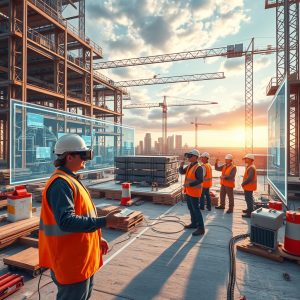
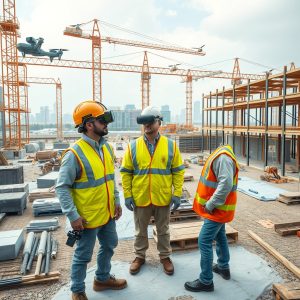
Immersive construction planning tools, such as virtual reality (VR) and augmented reality (AR), are bridging the gap between conceptual design and on-site execution. These technologies allow architects, engineers, and contractors to visualize projects in 3D, identify design flaws early, and make informed adjustments before construction begins. By fostering a culture of collaboration, these tools reduce rework, minimize delays, and ensure that projects stay on track.
Lean Practices: Doing More with Less
Lean construction practices are another critical component of this new era, emphasizing efficiency and waste reduction at every stage. By adopting principles like just-in-time delivery and continuous improvement, teams can streamline workflows and eliminate unnecessary costs. For example, modular building techniques allow components to be prefabricated off-site, reducing material waste and accelerating construction timelines. When combined with smart site monitoring, these methods create a seamless, data-driven process that maximizes productivity while minimizing environmental impact.
Eco-friendly material selection is also gaining traction as teams prioritize sustainability. From recycled steel to low-carbon concrete, the choices made during the design phase can significantly reduce a project’s carbon footprint. Collaborative platforms enable teams to evaluate materials based on their environmental impact, cost, and performance, ensuring that sustainability is not an afterthought but a core consideration.
The Human Element: Designing for People
While technology is a driving force behind these advancements, the human element remains central to the construction process. Human-centric design ensures that buildings are not only efficient and sustainable but also comfortable, accessible, and inspiring for their occupants. This philosophy extends beyond aesthetics—it’s about creating spaces that enhance well-being, productivity, and connectivity.
Client participatory building is another trend reshaping the industry, empowering end-users to have a voice in the design and construction process. Real-time project transparency tools allow clients to track progress, provide feedback, and make informed decisions, fostering a sense of ownership and trust. This level of engagement not only improves client satisfaction but also leads to better outcomes, as designs are tailored to meet the specific needs of those who will use the space.
Precision Engineering: The Backbone of Innovation
Precision engineering methods are the backbone of this new construction paradigm, enabling teams to achieve unprecedented levels of accuracy and quality. Advanced tools like Building Information Modeling (BIM) and automated construction equipment ensure that every detail is executed with precision, reducing errors and rework. These methods are particularly valuable in complex projects, where even minor misalignments can lead to costly delays.
When combined with lean practices, precision engineering creates a robust framework for sustainable construction. For example, BIM can simulate energy performance, allowing teams to optimize designs for efficiency before construction begins. This proactive approach not only reduces operational costs but also ensures that buildings meet stringent sustainability standards.
The construction industry is at a crossroads, where the choices made today will shape the built environment for decades to come. By embracing real-time transparency, collaborative design, and human-centric principles, teams can create spaces that are not only efficient and sustainable but also meaningful and inclusive. The tools and technologies driving this transformation are not just about building faster or cheaper—they’re about building smarter, with a focus on long-term value and environmental stewardship. As these innovations continue to evolve, the future of construction will be defined by its ability to balance progress with purpose, ensuring that every project leaves a positive legacy for generations to come.