The Future of Construction: How Immersive Planning and Lean Practices Are Crafting Sustainable, Human-Centric Sites
In an era where sustainability and efficiency are no longer optional but essential, the construction industry is undergoing a profound transformation. The integration of immersive construction planning, lean practices, and human-centric design is not just reshaping how buildings are constructed but also redefining the relationship between technology, workers, and the environment. These advancements are paving the way for smarter, greener, and more adaptive construction sites that prioritize both people and the planet.
The Power of Immersive Construction Planning
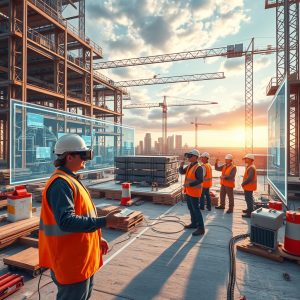
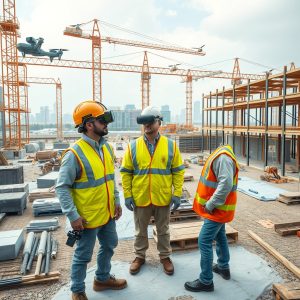
Immersive construction planning is revolutionizing the way projects are visualized and executed. By leveraging technologies like virtual reality (VR) and augmented reality (AR), teams can now step into a digital replica of a construction site before a single brick is laid. This approach allows for real-time collaboration, where architects, engineers, and contractors can identify potential issues, test solutions, and optimize designs in a risk-free virtual environment. The result? Fewer errors, reduced waste, and a more streamlined construction process that aligns with sustainable building goals.
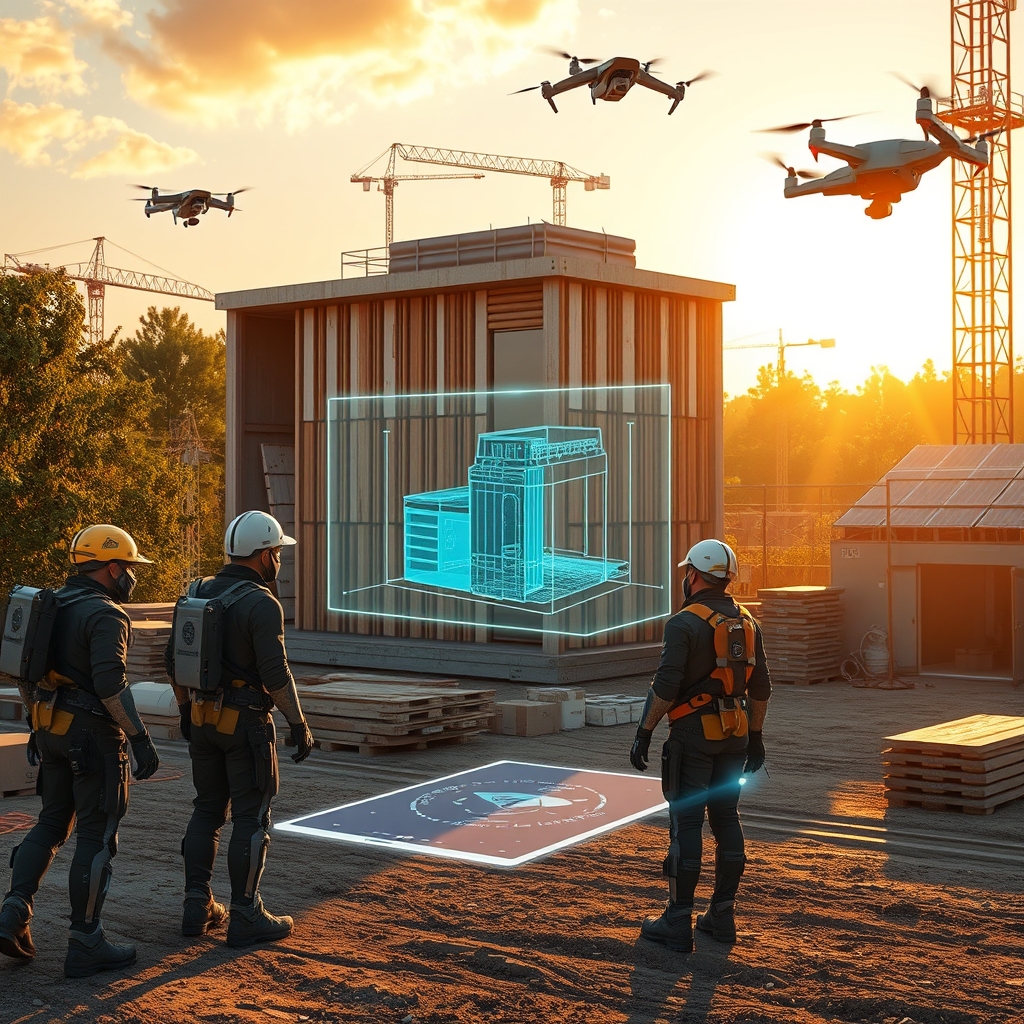
Digital twin site management takes this concept further by creating a dynamic, data-driven model of the construction site that evolves alongside the project. This living digital replica integrates real-time data from sensors, drones, and other smart monitoring tools, providing unprecedented transparency and control. Teams can monitor progress, track resource allocation, and predict potential bottlenecks, ensuring that every decision is informed by accurate, up-to-date information. The synergy between immersive planning and digital twins is not just enhancing efficiency—it’s fostering a culture of precision and accountability in construction.
Lean Practices: Doing More with Less
Lean construction practices are rooted in the principle of maximizing value while minimizing waste. Originating from manufacturing methodologies, lean practices have been adapted to the construction industry to eliminate inefficiencies, reduce costs, and improve project outcomes. Techniques such as just-in-time delivery, continuous workflow optimization, and value stream mapping ensure that materials, labor, and time are used as efficiently as possible. This not only accelerates project timelines but also significantly reduces the environmental footprint of construction activities.
One of the most impactful aspects of lean construction is its focus on collaborative building design. By involving all stakeholders—from clients to subcontractors—in the planning and execution phases, lean practices break down silos and foster a shared sense of ownership. This collaborative approach ensures that everyone is aligned with the project’s goals, leading to better decision-making and a more cohesive final product. When combined with immersive planning tools, lean practices create a powerful framework for delivering high-quality, sustainable buildings on time and within budget.
Human-Centric Design: Putting People First
At the heart of modern construction innovation is a commitment to human-centric design. This philosophy prioritizes the needs, safety, and well-being of everyone involved in the construction process—from the workers on-site to the end-users of the building. Human-centric design considers factors such as ergonomics, accessibility, and mental well-being, ensuring that buildings are not only functional but also nurturing environments for their occupants.
For construction workers, this means implementing adaptive construction solutions that reduce physical strain and improve safety. Wearable technology, such as exoskeletons and smart helmets, can monitor workers’ health and alert them to potential hazards in real time. For end-users, human-centric design translates into spaces that enhance comfort, productivity, and overall quality of life. Features like natural lighting, ventilation, and flexible layouts are no longer luxuries but essential components of modern building design.
Eco-Friendly Material Selection: Building for the Future
The choice of materials plays a critical role in the sustainability of a construction project. Eco-friendly material selection involves opting for resources that are renewable, recyclable, or have a low environmental impact. Innovations in material science have led to the development of advanced building materials, such as cross-laminated timber (CLT), recycled steel, and self-healing concrete, which offer durability without compromising sustainability.
Modular building techniques are also gaining traction as a sustainable alternative to traditional construction methods. By prefabricating building components in a controlled factory environment, modular construction reduces waste, minimizes on-site disruption, and accelerates project timelines. This approach not only lowers the carbon footprint of construction but also ensures higher quality control and consistency in the final product. When combined with smart site monitoring, modular techniques enable real-time tracking of materials and resources, further enhancing efficiency and sustainability.
Real-Time Project Transparency: The Key to Trust and Efficiency
Transparency is a cornerstone of modern construction, and real-time project transparency is transforming how projects are managed and communicated. With the help of digital tools and platforms, stakeholders can access live updates on project progress, resource allocation, and potential risks. This level of transparency fosters trust among clients, contractors, and investors, as everyone has a clear view of the project’s status and challenges.
Automated building processes, such as robotic bricklaying and 3D printing, are also contributing to greater transparency and efficiency. These technologies not only speed up construction but also provide detailed data on every aspect of the build, from material usage to labor productivity. By integrating these automated systems with digital twin site management, construction teams can achieve a level of precision and control that was previously unimaginable. This not only reduces the likelihood of errors but also ensures that projects are completed on time and within budget.
The construction industry is at a pivotal moment, where the convergence of technology, sustainability, and human-centric design is creating opportunities for unprecedented innovation. By embracing immersive planning, lean practices, and eco-friendly materials, construction sites are becoming smarter, greener, and more adaptive to the needs of both people and the planet. The future of construction is not just about building structures—it’s about crafting spaces that inspire, sustain, and endure for generations to come. As these advancements continue to evolve, they will redefine what it means to build responsibly, efficiently, and with a deep respect for the world we inhabit.