Quality-Focused Construction: How Human-Centric Design and Real-Time Transparency Are Elevating Building Standards
In an era where sustainability and efficiency dominate the construction narrative, the industry is undergoing a profound transformation. The shift from traditional methods to innovative, quality-focused construction practices is not just a trend but a necessity. At the heart of this evolution lies a commitment to human-centric design, real-time project transparency, and the seamless integration of technology. These elements are redefining what it means to build with precision, care, and a forward-thinking mindset.
The Pillars of Quality-Focused Construction
Quality-focused construction is built on three foundational pillars: precision, collaboration, and adaptability. Precision engineering methods ensure that every component of a project is executed with meticulous attention to detail, reducing errors and enhancing structural integrity. Collaborative building design fosters an environment where architects, engineers, contractors, and clients work in unison, aligning their visions and expertise to create outcomes that are both functional and inspiring. Adaptability, meanwhile, allows construction processes to evolve in response to challenges, whether they be environmental, logistical, or technological.
These pillars are not standalone concepts but interconnected principles that reinforce one another. For instance, precision engineering is amplified when paired with collaborative design, as diverse perspectives help identify potential flaws before they become costly mistakes. Similarly, adaptability ensures that even the most carefully planned projects can pivot when unforeseen circumstances arise, maintaining quality without compromising timelines or budgets.
Human-Centric Design: Putting People First
At the core of quality-focused construction is a human-centric approach. This philosophy prioritizes the needs, experiences, and well-being of the people who will interact with the built environment—whether they are occupants, workers, or the surrounding community. Human-centric structural design goes beyond aesthetics and functionality; it considers how spaces influence emotions, productivity, and health. For example, natural lighting, ergonomic layouts, and sustainable materials are not just design choices but investments in the quality of life for those who inhabit the space.
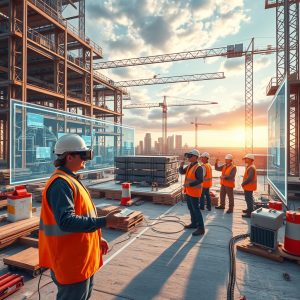
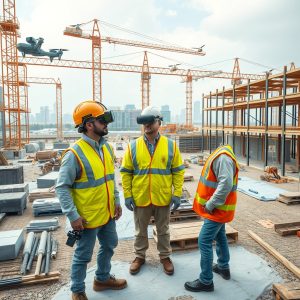
This approach also extends to the construction process itself. Immersive construction planning tools, such as virtual reality (VR) and augmented reality (AR), allow stakeholders to experience a project before it is built. This not only enhances collaboration but also ensures that the final product aligns with the human experiences it is intended to serve. By placing people at the center of the design process, construction projects become more than just structures—they become spaces that enrich lives.
Real-Time Transparency: The Power of Digital Twins
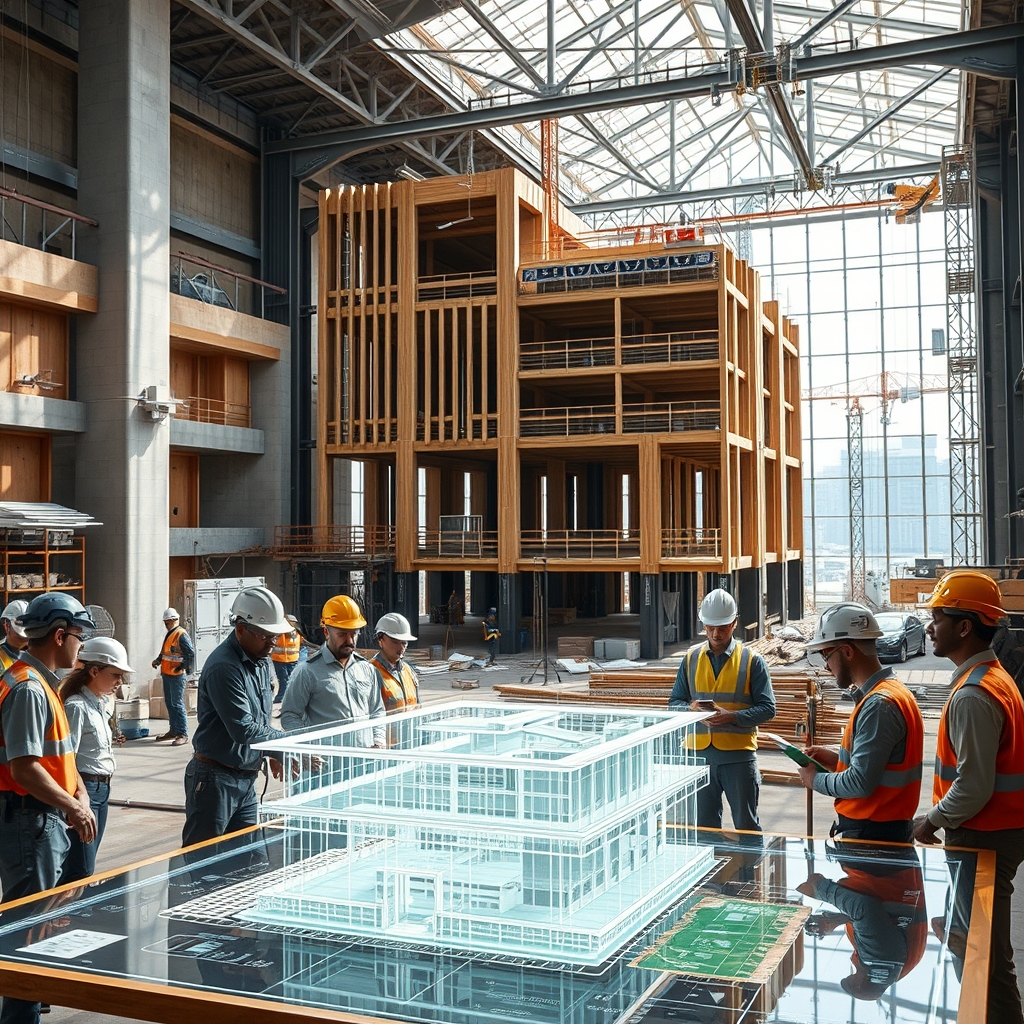
One of the most revolutionary advancements in modern construction is the adoption of digital twin site management. A digital twin is a virtual replica of a physical construction site, updated in real-time with data from sensors, drones, and other monitoring tools. This technology provides unparalleled transparency, allowing project managers to track progress, identify inefficiencies, and make data-driven decisions on the fly.
Real-time project transparency is a game-changer for quality-focused construction. It eliminates the guesswork that often plagues traditional projects, where delays or errors might go unnoticed until it’s too late. With digital twins, stakeholders can monitor everything from material usage to worker safety, ensuring that every aspect of the project adheres to the highest standards. This level of oversight not only improves quality but also builds trust among clients, who can see exactly how their investment is being managed.
Lean Practices and Efficient Resource Allocation
Quality-focused construction is inherently tied to efficiency. Lean construction practices, which originated in manufacturing, have been adapted to the building industry to minimize waste and maximize value. These practices emphasize just-in-time delivery of materials, continuous improvement, and the elimination of non-value-added activities. When combined with smart site monitoring, lean construction ensures that resources—whether time, materials, or labor—are allocated with precision.
Efficient resource allocation is particularly critical in sustainable building methods. By reducing waste, construction projects can lower their environmental impact while also cutting costs. For example, modular building techniques allow for components to be prefabricated off-site, reducing material waste and accelerating construction timelines. This not only enhances quality but also aligns with the growing demand for eco-friendly construction practices.
Eco-Friendly Material Selection: Building for the Future
The materials used in construction play a pivotal role in determining the quality and sustainability of a project. Eco-friendly material selection is no longer a niche consideration but a standard expectation. Advanced materials, such as self-healing concrete, recycled steel, and cross-laminated timber, are not only durable but also reduce the carbon footprint of buildings. These materials are often paired with smart technologies, such as energy-efficient HVAC systems and solar panels, to create structures that are both high-performing and environmentally responsible.
Moreover, the selection of materials is closely tied to human-centric design. For instance, non-toxic, low-VOC (volatile organic compound) materials improve indoor air quality, directly benefiting the health of occupants. Similarly, materials with high thermal mass can regulate indoor temperatures, enhancing comfort while reducing energy consumption. By prioritizing eco-friendly materials, construction projects can achieve a balance between quality, sustainability, and human well-being.
The Role of Technology in Elevating Standards
Technology is the catalyst that enables quality-focused construction to reach new heights. From automated building processes to tech-integrated site supervision, digital tools are transforming how projects are planned, executed, and monitored. For example, Building Information Modeling (BIM) allows for the creation of detailed 3D models that integrate all aspects of a project, from structural design to mechanical systems. This level of detail ensures that potential conflicts are resolved before construction begins, reducing rework and improving quality.
Similarly, smart site monitoring systems use IoT (Internet of Things) devices to track everything from equipment usage to environmental conditions. These systems provide real-time alerts for issues such as equipment malfunctions or unsafe working conditions, allowing for immediate corrective action. By leveraging technology, construction teams can maintain the highest standards of quality while also enhancing safety and efficiency.
As the construction industry continues to evolve, the emphasis on quality-focused practices will only grow stronger. The integration of human-centric design, real-time transparency, and advanced technologies is not just a path to better buildings—it is a commitment to creating spaces that inspire, endure, and respect the planet. The future of construction lies in this holistic approach, where every decision is guided by a desire to deliver excellence, without compromise. The buildings of tomorrow are being shaped today, and their legacy will be defined by the standards we set now.