Tech-Integrated Site Supervision: The Key to Real-Time Transparency and Sustainable Building Success
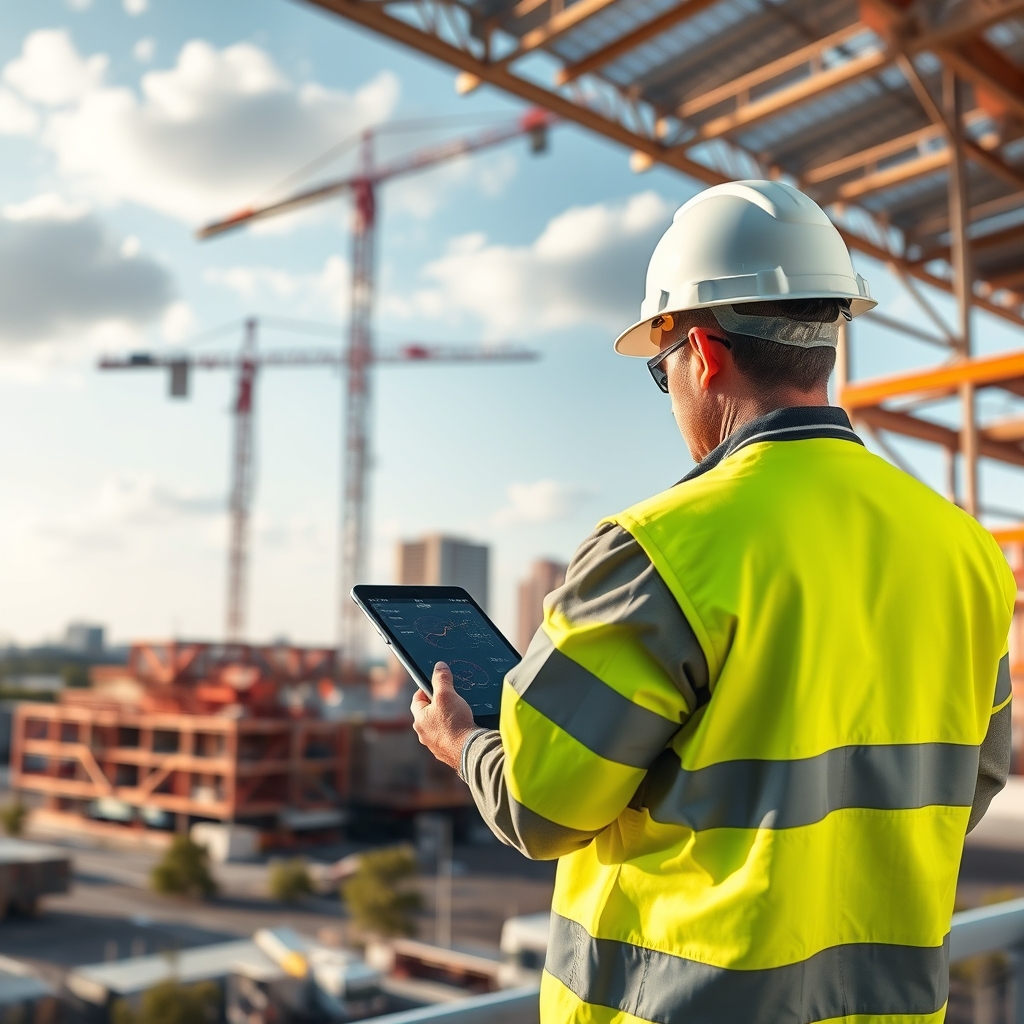
In an era where construction projects grow increasingly complex, the demand for real-time transparency, efficiency, and sustainability has never been higher. Traditional site supervision methods—reliant on manual inspections, fragmented communication, and delayed reporting—are no longer sufficient to meet the demands of modern building projects. Enter tech-integrated site supervision, a transformative approach that merges digital innovation with on-the-ground execution to create smarter, more accountable, and eco-conscious construction processes.
The Digital Backbone of Modern Construction
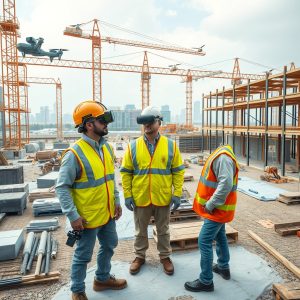
At the heart of tech-integrated site supervision lies a suite of advanced tools designed to streamline workflows and enhance decision-making. Digital Twin Site Management stands out as a game-changer, offering a dynamic, real-time virtual replica of the physical construction site. This digital counterpart allows project managers to monitor progress, simulate scenarios, and identify potential issues before they escalate, all while maintaining a bird’s-eye view of the entire operation. Paired with Smart Site Monitoring systems—equipped with IoT sensors, drones, and AI-driven analytics—teams can track everything from material usage to worker safety with unprecedented precision.
These technologies don’t just improve efficiency; they also foster Real-Time Project Transparency. Stakeholders, from architects to clients, can access live data dashboards that provide updates on timelines, budgets, and compliance with sustainability standards. This level of openness not only builds trust but also ensures that projects stay aligned with their original goals, reducing the risk of costly overruns or environmental missteps.
Human-Centric Design Meets Technological Precision
While technology drives innovation, the human element remains irreplaceable in construction. Human-Centric Structural Design ensures that buildings are not only structurally sound but also adaptable to the needs of their occupants. By integrating Collaborative Building Design platforms, teams can work seamlessly across disciplines, incorporating feedback from engineers, environmental specialists, and end-users in real time. This collaborative approach minimizes errors, enhances creativity, and ensures that sustainability is woven into every phase of the project.
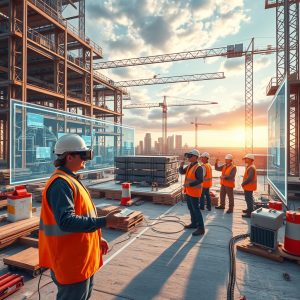
For example, Immersive Construction Planning tools like virtual reality (VR) and augmented reality (AR) allow stakeholders to