Navigating the Future: Sustainable Land Reclamation and Marine Urbanism
The concept of sustainable land reclamation has evolved significantly over the years, transforming from a mere engineering feat to a critical component of urban expansion and coastal resilience. As sea levels rise and urban populations grow, the need for innovative solutions to accommodate this expansion becomes increasingly urgent. This article delves into the intricacies of sustainable land reclamation, artificial archipelagos, and the burgeoning field of waterfront urbanism, exploring how these developments can shape the future of our coastal cities.
Sustainable Land Reclamation: A Balancing Act
Sustainable land reclamation is a delicate balancing act between environmental preservation and urban development. Traditional reclamation methods often involved filling in coastal areas with sand or other materials, which could lead to significant ecological disruption. However, modern techniques focus on minimizing environmental impact through the use of eco-friendly materials and advanced coastal engineering. These methods aim to create new land that is not only habitable but also ecologically sustainable.
Artificial Archipelagos and Man-Made Islands
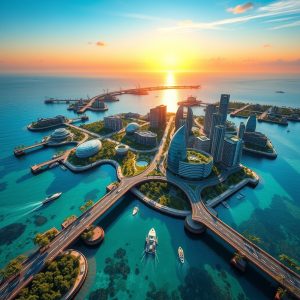
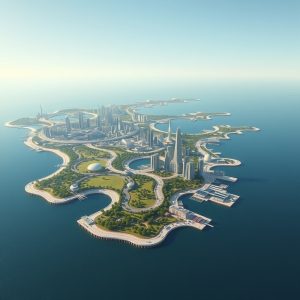
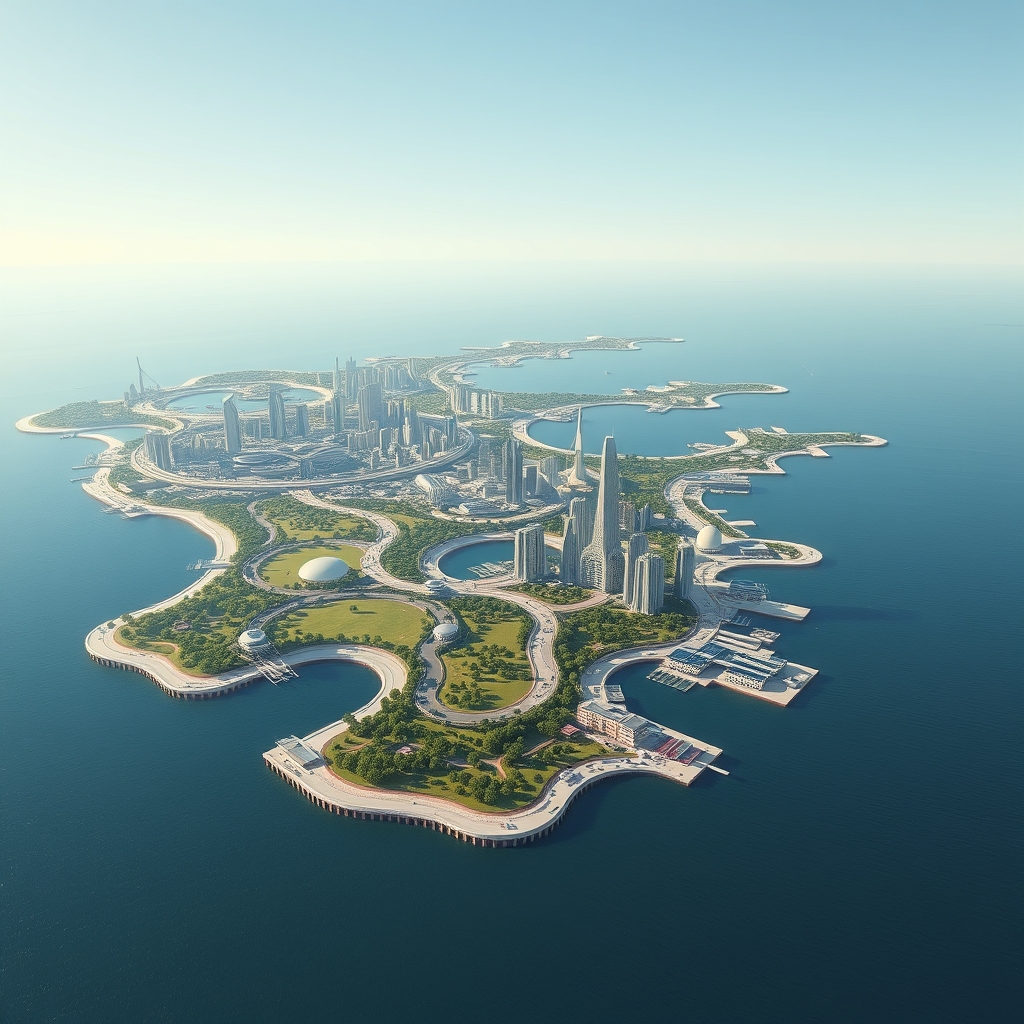
Artificial archipelagos and man-made islands represent a significant leap forward in land augmentation. These projects involve creating entirely new landforms in the sea, often for luxury island resorts or smart marine cities. The construction of these islands requires deep sea foundations and sophisticated marine infrastructure, ensuring stability and longevity. While these developments offer exciting opportunities for urban expansion, they also raise important questions about submerged land rights and the long-term environmental impact.
Waterfront Urbanism and Coastal Resilience
Waterfront urbanism is an approach to urban planning that emphasizes the integration of coastal areas into the urban fabric. This concept promotes the development of resilient coastal communities that can adapt to sea level changes and other environmental challenges. By incorporating green spaces, sustainable buildings, and innovative marine infrastructure, waterfront urbanism aims to create cities that are not only beautiful but also resilient and eco-friendly.
Floating Real Estate and the Blue Economy
Floating real estate is an emerging trend in marine urban planning, offering a unique solution to urban expansion in coastal areas. These structures, which can include homes, offices, and even entire communities, are designed to float on the water’s surface. This approach not only conserves land but also promotes the blue economy, which focuses on sustainable use of ocean resources. The development of floating real estate requires careful consideration of marine infrastructure and deep sea foundations to ensure stability and safety.
As we look to the future, the integration of sustainable land reclamation, artificial archipelagos, and waterfront urbanism will be crucial in shaping our coastal cities. These developments offer exciting opportunities for urban expansion and economic growth, but they also come with significant challenges. By prioritizing eco-friendly reclamation, resilient coastal engineering, and innovative marine infrastructure, we can create cities that are not only sustainable but also thriving and resilient. The future of our coastal cities depends on our ability to navigate these complexities and forge a path towards a more sustainable and resilient urban landscape.