The Resilient Framework: Advanced Materials and Modular Design for Sustainable Urban Futures
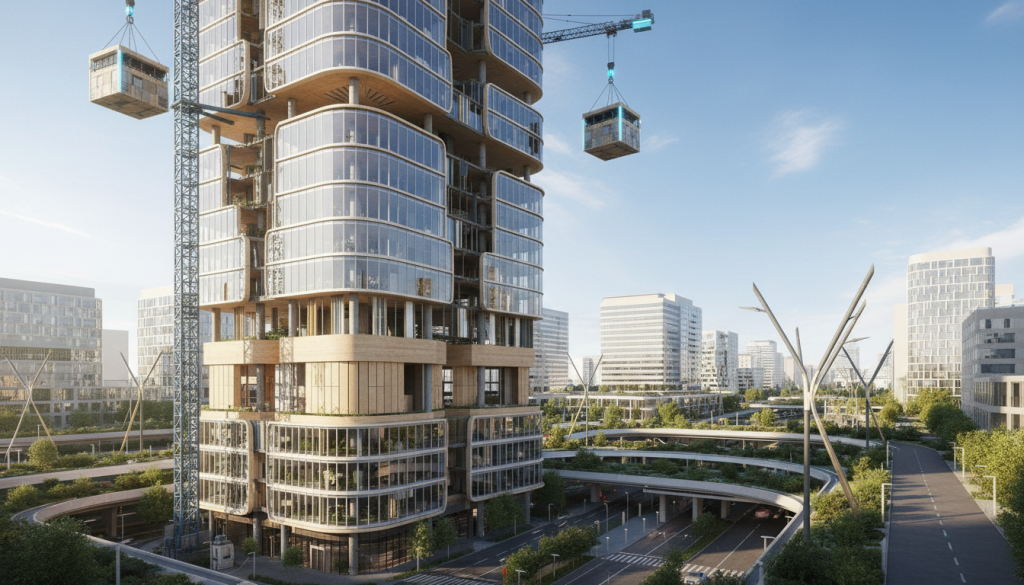
The relentless pace of urbanization presents both unprecedented challenges and remarkable opportunities for the construction industry. As cities expand and populations grow, the imperative to build sustainably, efficiently, and resiliently has never been more critical. This evolution is being driven by a confluence of innovative technologies and forward-thinking methodologies, fundamentally reshaping how we approach everything from high-rise construction to residential developments. At the forefront of this transformation are advanced building materials and the increasing adoption of modular construction trends, both playing pivotal roles in achieving greener, smarter, and more cost-effective urban infrastructure projects.
Harnessing the Power of Advanced Materials
Traditional construction materials, while robust, often come with significant environmental footprints and limitations in terms of performance and speed of deployment. The development and integration of advanced building materials offer compelling alternatives. These materials are engineered to provide superior strength, durability, energy efficiency, and reduced environmental impact. Think of self-healing concrete that extends the lifespan of infrastructure, significantly reducing maintenance needs and the associated carbon emissions. Consider advanced composites that are lighter yet stronger than steel, enabling more complex and efficient structural designs, particularly relevant in high-rise construction and modern steel structure projects. Furthermore, the rise of bio-based materials, such as engineered timber and mycelium-based insulation, offers renewable and biodegradable options that sequester carbon, directly contributing to the goal of zero carbon buildings.
Energy efficient design is another area where advanced materials shine. Innovations like smart glass installation, which can dynamically adjust its tint to control solar heat gain and reduce reliance on artificial lighting, are transforming building envelopes. Aerogels, for instance, provide exceptional thermal insulation with minimal thickness, allowing for more usable interior space and reduced heating/cooling loads. The careful selection and application of these materials are not just about improving performance; they are integral to achieving green building certification and creating healthier, more comfortable living and working environments.
Modular Construction: Efficiency and Sustainability in Tandem
Modular construction, often associated with prefabricated home systems and off-site manufacturing, is rapidly moving beyond its niche applications to become a mainstream solution for a wide range of projects, including commercial property construction and even industrial property development. This approach involves fabricating building components or entire modules in a controlled factory environment before transporting them to the construction site for assembly. The benefits are manifold.
Streamlined Processes and Reduced Waste
Factory production allows for greater precision, quality control, and significantly reduced material waste compared to traditional on-site construction. Building Information Modeling (BIM) plays a crucial role here, enabling detailed planning, clash detection, and optimization of designs before manufacturing begins. This digital precision translates into fewer errors, less rework, and a more predictable project timeline. The controlled environment also means construction can continue regardless of external weather conditions, leading to faster project completion times. This efficiency is particularly valuable in urban infrastructure projects where site access can be challenging and time is often of the essence.
Cost-Effectiveness and Scalability
While the initial investment in factory infrastructure might seem high, the long-term cost savings of modular construction are substantial. Reduced labor costs, minimized waste disposal fees, and faster project delivery all contribute to a more economical outcome. This makes it an attractive option for developing low cost housing technology and scaling up construction efforts rapidly to meet demand. For residential building contractors, modular approaches can streamline the building process, allowing for quicker turnaround times and higher volumes of completed homes.
The Synergy of Technology and Methodologies
The true potential of advanced materials and modular construction is unlocked when they are integrated with smart building technology and sustainable construction methods. Smart building technology, encompassing IoT devices, sensors, and intelligent control systems, can optimize energy consumption, enhance occupant comfort, and improve building management. When combined with energy-efficient design principles, these systems can push buildings closer to net-zero energy performance. Building Information Modeling (BIM) serves as the digital backbone, facilitating collaboration, enhancing design, and enabling data-driven decision-making throughout the lifecycle of a building, from initial concept to operational management.
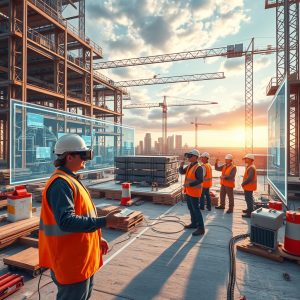
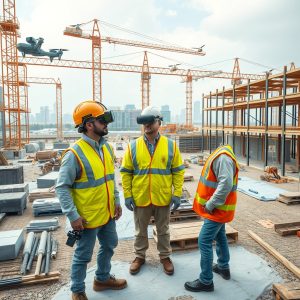
Construction site safety is also inherently improved by modular construction. By moving a significant portion of the work to a controlled factory setting, many of the inherent risks associated with traditional on-site building are mitigated. Workers are exposed to fewer hazardous conditions, and the overall risk profile of a project is lowered. This focus on safety, alongside efficiency and sustainability, represents a holistic approach to modern construction.
The journey towards a more sustainable urban future is complex, requiring a multifaceted approach that embraces innovation. Advanced building materials offer enhanced performance and reduced environmental impact, while modular construction provides a pathway to greater efficiency, cost-effectiveness, and waste reduction. When these elements are synergistically combined with smart technologies and a commitment to eco-friendly architecture, we create a powerful framework for building cities that are not only functional and aesthetically pleasing but also resilient, environmentally responsible, and capable of supporting the well-being of their inhabitants for generations to come.