The Evolution of Eco-Friendly Architecture: How Zero Carbon Buildings Are Redefining Urban Living
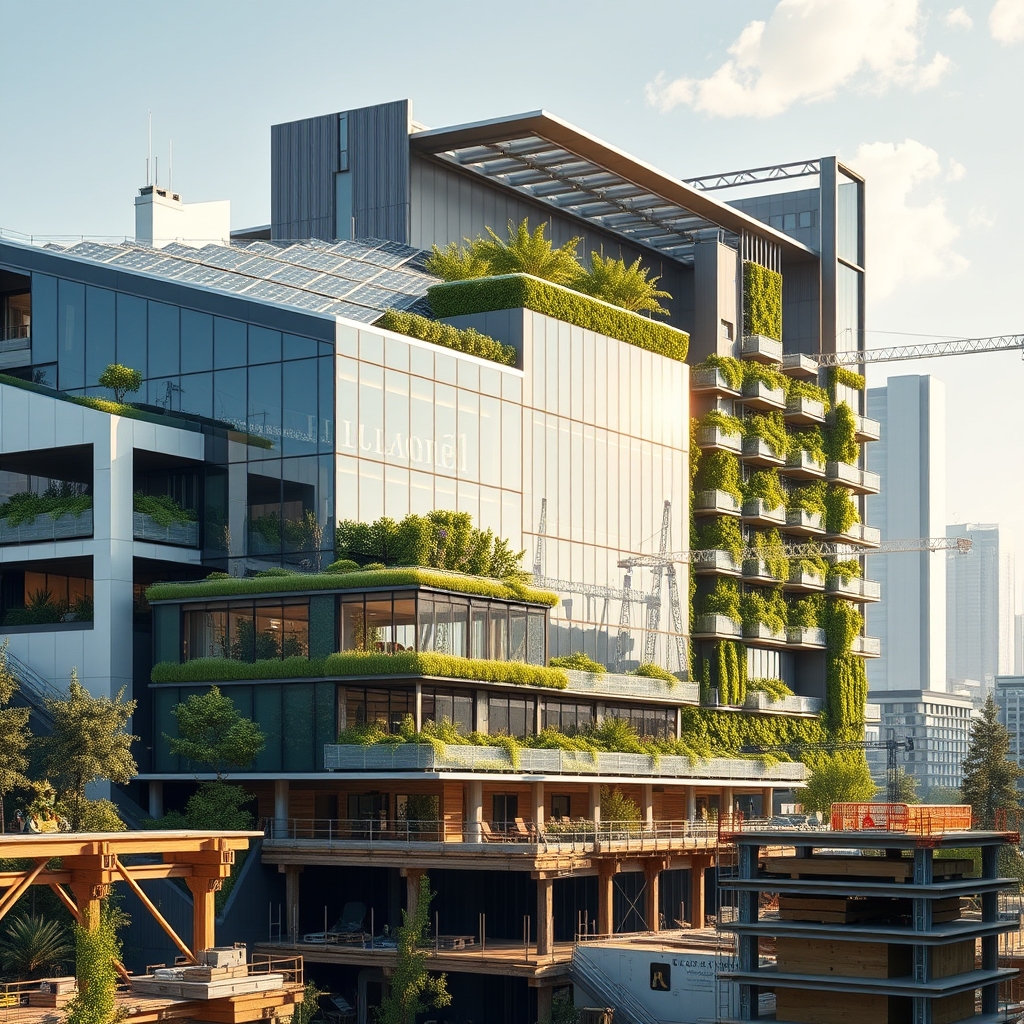
The global construction industry stands at a pivotal crossroads, where the demand for rapid urbanization clashes with the urgent need for environmental stewardship. As cities expand and populations grow, the pressure to build sustainably has never been greater. Eco-friendly architecture, once a niche concept, is now a cornerstone of modern urban development, driven by innovations that prioritize energy efficiency, reduced carbon footprints, and long-term sustainability. At the heart of this transformation lies the rise of zero carbon buildings—structures designed to produce as much energy as they consume, if not more, while minimizing environmental impact.
The Principles of Zero Carbon Buildings
Zero carbon buildings are not merely a trend; they represent a fundamental shift in how we approach construction. These structures adhere to a set of core principles that guide their design, materials, and operational strategies. The first principle is energy efficiency, which involves optimizing insulation, windows, and building envelopes to reduce energy loss. Advanced materials like aerogels, phase-change materials, and vacuum-insulated panels are increasingly used to enhance thermal performance without compromising structural integrity.
Another critical principle is on-site renewable energy generation. Solar panels, wind turbines, and geothermal systems are integrated into building designs to ensure that the energy consumed is offset by clean, locally produced power. In some cases, excess energy is fed back into the grid, creating a symbiotic relationship between buildings and their surrounding infrastructure. Additionally, smart building technologies play a pivotal role in monitoring and managing energy use in real time. IoT-enabled sensors, automated lighting, and HVAC systems adjust based on occupancy and environmental conditions, further reducing waste.
The Role of Advanced Building Materials
The materials used in construction are just as important as the design itself when it comes to achieving zero carbon status. Traditional concrete and steel, while durable, have significant carbon footprints due to their energy-intensive production processes. In response, the industry is turning to low-carbon alternatives such as cross-laminated timber (CLT), recycled steel, and carbon-absorbing concrete. CLT, for example, is not only renewable but also sequesters carbon, making it a double win for sustainability.
Innovations in smart glass are also revolutionizing eco-friendly architecture. Electrochromic and thermochromic glass can dynamically adjust their tint based on sunlight, reducing the need for artificial cooling and heating. This technology not only enhances energy efficiency but also improves occupant comfort by minimizing glare and regulating indoor temperatures. Meanwhile, prefabricated and modular construction methods are gaining traction for their ability to reduce waste, shorten construction timelines, and lower overall carbon emissions. By manufacturing building components off-site, developers can ensure precision and quality while minimizing the environmental disruption typically associated with traditional construction.
Building Information Modeling (BIM) and Sustainable Design
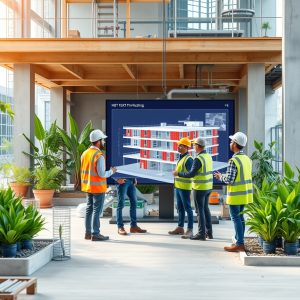
No discussion of modern eco-friendly architecture would be complete without mentioning Building Information Modeling (BIM). This digital tool allows architects, engineers, and contractors to collaborate on a 3D model of a building, simulating its performance before construction even begins. BIM enables teams to identify inefficiencies, optimize energy use, and test different materials and systems to achieve the best possible outcomes. For zero carbon buildings, BIM is invaluable in ensuring that every aspect of the design aligns with sustainability goals, from the orientation of the structure to the placement of renewable energy systems.
BIM also facilitates life cycle assessment (LCA), a process that evaluates the environmental impact of a building from construction to demolition. By analyzing factors such as embodied carbon, energy consumption, and material durability, LCA helps developers make informed decisions that prioritize long-term sustainability over short-term gains. This holistic approach is essential for creating buildings that not only meet zero carbon standards but also stand the test of time.
Challenges and Opportunities in Zero Carbon Construction
Despite the clear benefits of zero carbon buildings, several challenges remain. One of the most significant hurdles is cost. While the long-term savings from reduced energy bills and lower maintenance costs are substantial, the upfront investment in advanced materials and technologies can be prohibitive for some developers. However, as demand grows and technologies become more accessible, prices are expected to decline, making zero carbon construction a viable option for a broader range of projects.
Another challenge is regulatory and policy barriers. Many regions lack the incentives or mandates needed to encourage developers to adopt zero carbon practices. Governments and industry leaders must work together to create frameworks that support sustainable construction, such as tax breaks for green buildings, stricter energy codes, and grants for research and development. In cities like Copenhagen and Vancouver, where zero carbon policies are already in place, the results speak for themselves—reduced emissions, lower energy costs, and healthier communities.
There is also the issue of public perception. Some stakeholders remain skeptical about the feasibility of zero carbon buildings, viewing them as experimental or impractical. Education and awareness campaigns are crucial in shifting this mindset, highlighting success stories and demonstrating the tangible benefits of sustainable design. As more zero carbon buildings are completed and their performance data becomes available, skepticism is likely to fade, paving the way for widespread adoption.
The Future of Urban Living
The transition to zero carbon buildings is not just about reducing emissions; it’s about reimagining the way we live, work, and interact with our environment. These structures offer more than just energy efficiency—they provide healthier indoor environments, greater resilience to climate change, and a higher quality of life for occupants. Features like improved air quality, natural lighting, and green spaces contribute to physical and mental well-being, making zero carbon buildings a cornerstone of future urban living.
As technology continues to evolve, so too will the possibilities for eco-friendly architecture. Emerging trends such as biophilic design, which integrates natural elements into built environments, and circular economy principles, which prioritize reuse and recycling, are set to further enhance the sustainability of our cities. The journey toward zero carbon is not without its challenges, but the rewards—cleaner air, lower energy costs, and a more sustainable planet—are well worth the effort. The buildings we construct today will shape the world of tomorrow, and the choices we make now will determine whether that future is one of resilience, innovation, and harmony with nature.