Experiential Construction Workflows: How Immersive Tech and Human-Centric Design Are Redefining Project Execution
Construction has long been a field where precision meets practicality, but the rise of experiential construction workflows is transforming how projects are conceived, planned, and executed. By integrating immersive technologies like virtual reality (VR), augmented reality (AR), and digital twins with human-centric design principles, the industry is moving beyond static blueprints and fragmented communication. These workflows create dynamic, interactive environments where stakeholders—from architects to laborers—can engage with a project before a single brick is laid, fostering collaboration, reducing errors, and enhancing sustainability.
The Shift from Static to Immersive Planning
Traditional construction planning relies on two-dimensional drawings and physical models, which often lead to misinterpretations and costly revisions. Experiential workflows, however, leverage digital twins—virtual replicas of physical sites—to simulate every phase of construction. These digital environments allow teams to visualize structural integrity, test material performance, and even walk through a building before construction begins. For instance, VR-enabled design reviews enable architects and engineers to identify clashes in MEP (mechanical, electrical, plumbing) systems early, reducing rework by up to 30%.
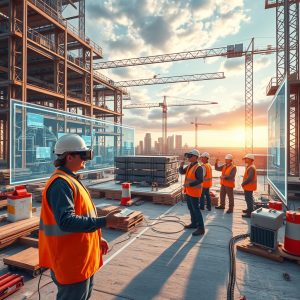
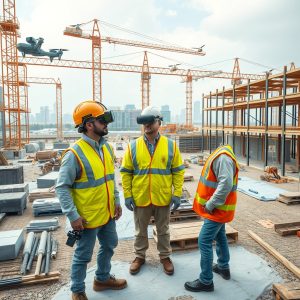
This shift isn’t just about technology; it’s about reimagining the human experience of construction. Workers can use AR headsets to overlay digital instructions onto physical spaces, improving accuracy and safety. Meanwhile, clients can virtually inhabit their future homes or offices, providing feedback that aligns the final product with their needs. By making the planning process more intuitive and participatory, experiential workflows bridge the gap between technical precision and human-centric outcomes.
Lean Practices Meets Digital Innovation
Lean construction practices have long emphasized efficiency, waste reduction, and continuous improvement. When combined with experiential workflows, these principles take on new dimensions. Digital twins enable real-time monitoring of resource allocation, ensuring materials and labor are deployed optimally. For example, sensors embedded in construction sites can track equipment usage and worker productivity, feeding data into the digital twin to identify bottlenecks. This integration of smart site monitoring with lean methodologies minimizes delays and overruns, a critical factor in sustainable building where material waste directly impacts environmental footprints.
Moreover, experiential workflows facilitate just-in-time delivery of materials, a cornerstone of lean construction. By simulating logistics within the digital twin, project managers can coordinate deliveries to match the construction schedule, reducing on-site storage needs and lowering the risk of damage or theft. This level of precision not only cuts costs but also aligns with eco-friendly material selection by ensuring resources are used judiciously, without excess or redundancy.
Collaborative Design in a Virtual Space
One of the most transformative aspects of experiential workflows is their ability to democratize the design process. In traditional settings, collaboration often happens in silos—architects, engineers, and contractors work in isolation, leading to fragmented decision-making. Immersive technologies break down these barriers by creating shared virtual spaces where all stakeholders can contribute simultaneously. For instance, a structural engineer can adjust load-bearing elements in real time while an interior designer refines spatial layouts, with changes instantly visible to the entire team.
This collaborative approach extends to client participatory building, where end-users are no longer passive recipients of a finished product. Instead, they become active participants, using VR to explore different design options, from floor plans to finishes. This not only ensures the final structure meets their expectations but also fosters a sense of ownership and satisfaction. When clients are engaged in the process, projects are more likely to succeed, with fewer post-construction modifications and higher overall quality.
Smart Monitoring and Adaptive Solutions
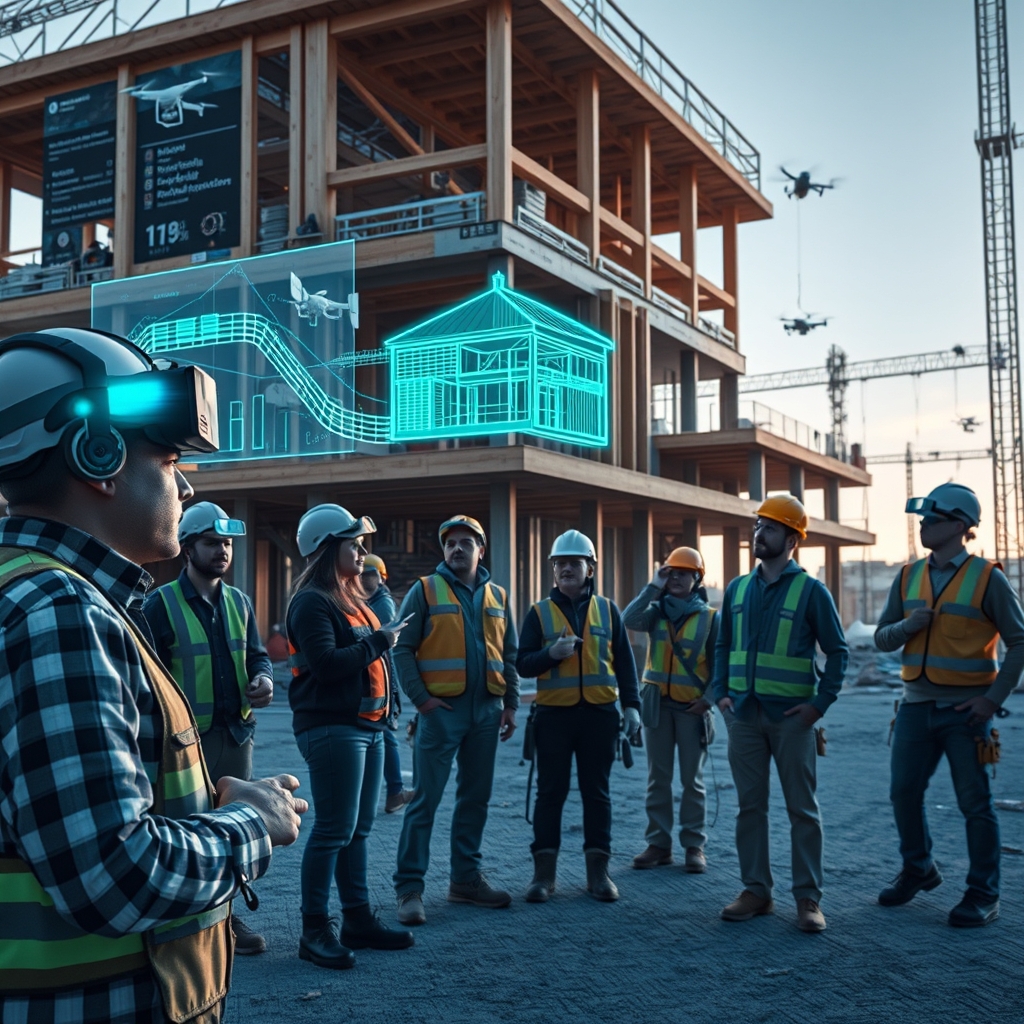
Experiential workflows are not static; they evolve alongside the project. Smart site monitoring tools, such as IoT-enabled sensors and drones, continuously feed data into the digital twin, allowing for adaptive construction solutions. For example, if sensors detect a deviation in the foundation’s alignment, the digital twin can simulate the impact on the entire structure and suggest corrective measures before the issue escalates. This proactive approach reduces downtime and ensures projects stay on track, even in the face of unforeseen challenges.
Adaptive solutions also play a crucial role in modular building techniques. By using digital twins to simulate assembly processes, manufacturers can optimize prefabricated components for seamless on-site integration. This not only accelerates construction timelines but also enhances quality control, as components are pre-tested in a virtual environment before production. The result is a more efficient, sustainable, and resilient building process, where precision engineering meets real-world adaptability.
The Human Element in Tech-Driven Construction
While technology is a driving force behind experiential workflows, the human element remains central. Human-centric structural design ensures that buildings are not only functional but also intuitive and comfortable for their occupants. For example, VR simulations can assess factors like natural lighting, acoustics, and ergonomics, allowing designers to create spaces that enhance well-being. Similarly, AR tools can guide workers through complex tasks, reducing cognitive load and improving safety.
This focus on human-centric design extends to the construction process itself. By involving workers in the digital planning phase, experiential workflows empower them to contribute ideas and identify potential hazards before they materialize. This collaborative culture fosters innovation and accountability, leading to higher-quality outcomes. Moreover, when workers feel valued and engaged, productivity and morale improve, further driving project success.
As the construction industry continues to evolve, experiential workflows represent a paradigm shift—one where technology and human ingenuity converge to create smarter, greener, and more inclusive buildings. By embracing immersive planning, lean practices, and adaptive solutions, projects can achieve unprecedented levels of efficiency and sustainability. The future of construction lies not just in what we build, but in how we build it, and experiential workflows are paving the way for a more connected, responsive, and human-centered approach to shaping our built environment.