Lean Construction Meets Digital Twins: The Next Frontier in Human-Centric and Sustainable Building
In an era where efficiency and sustainability are no longer optional but essential, the construction industry is undergoing a profound transformation. The convergence of Lean Construction Practices and Digital Twin Site Management is redefining how projects are planned, executed, and monitored, placing human experience and environmental responsibility at the forefront. This synergy is not just about adopting new technologies—it’s about reimagining the entire construction ecosystem to be smarter, more adaptive, and deeply collaborative.
The Philosophy of Lean Construction: Doing More with Less
Lean Construction is rooted in the principle of eliminating waste—whether it’s time, materials, or effort—while maximizing value for all stakeholders. Originating from manufacturing methodologies like the Toyota Production System, Lean Construction adapts these principles to the dynamic and often unpredictable nature of building projects. At its core, it emphasizes Efficient Resource Allocation, Real-Time Project Transparency, and a relentless focus on delivering quality outcomes.
One of the most impactful aspects of Lean Construction is its emphasis on Collaborative Building Design. Unlike traditional siloed approaches, where architects, engineers, and contractors work in isolation, Lean Construction fosters a culture of shared responsibility. This is achieved through tools like the Last Planner System, which encourages teams to plan in short, iterative cycles, allowing for continuous feedback and adjustments. The result? Fewer delays, reduced costs, and a construction process that is as responsive as it is efficient.
Digital Twins: The Virtual Mirror of Physical Construction
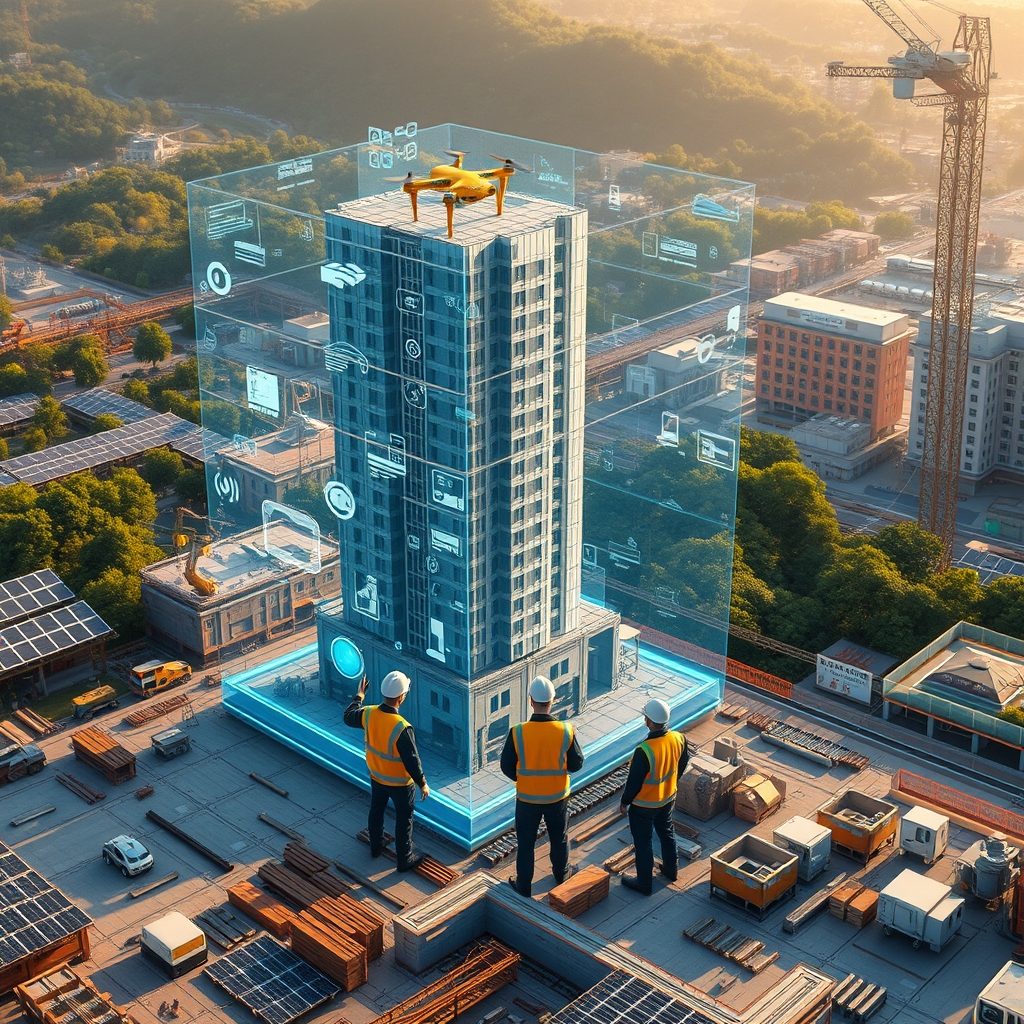
While Lean Construction optimizes workflows, Digital Twin Site Management brings a layer of precision and foresight that was previously unimaginable. A digital twin is a dynamic, real-time virtual replica of a physical construction site, integrating data from sensors, drones, BIM models, and other IoT devices. This digital counterpart allows project managers to simulate scenarios, predict outcomes, and identify potential issues before they arise on-site.
For example, imagine a high-rise project where a digital twin monitors everything from structural integrity to material delivery schedules. If a delay in steel shipments is detected, the system can automatically adjust the construction sequence, rerouting labor to other tasks to avoid downtime. This level of Tech-Integrated Site Supervision not only enhances productivity but also reduces the environmental footprint by minimizing idle resources and energy consumption.
Bridging Lean and Digital: A Human-Centric Approach
The true power of combining Lean Construction with Digital Twins lies in their ability to create an Experiential Construction Workflow—one that prioritizes the well-being of workers, the satisfaction of clients, and the sustainability of the built environment. By leveraging real-time data, teams can make informed decisions that balance efficiency with empathy. For instance, digital twins can track worker fatigue levels, ensuring that labor is allocated in a way that prevents burnout while maintaining productivity.
Moreover, this integration enhances Client Participatory Building, allowing stakeholders to engage with the project in ways that were once impossible. Clients can virtually walk through their future spaces, providing feedback on design elements or material choices before construction begins. This not only improves satisfaction but also reduces the likelihood of costly changes later in the process.
Sustainability at the Core: Eco-Friendly Materials and Smart Monitoring
Sustainability is no longer an afterthought in construction—it’s a driving force. The combination of Lean Construction and Digital Twins enables a more thoughtful approach to Eco-Friendly Material Selection. By analyzing data on material sourcing, durability, and environmental impact, teams can make choices that align with green building certifications like LEED or BREEAM. For example, a digital twin might recommend using Modular Building Techniques to reduce waste or suggest locally sourced materials to lower the carbon footprint of transportation.
Smart Site Monitoring further amplifies these efforts by providing real-time insights into energy use, water consumption, and emissions. Sensors can detect inefficiencies, such as excessive lighting or HVAC usage, and adjust settings automatically to conserve resources. This proactive approach ensures that sustainability is embedded in every phase of the project, from foundation to finish.
The Future of Construction: Adaptive, Transparent, and Resilient
The construction industry is on the cusp of a revolution, one where Adaptive Construction Solutions and Precision Engineering Methods become the norm rather than the exception. The fusion of Lean Construction and Digital Twins is not just a technological upgrade—it’s a cultural shift toward greater transparency, collaboration, and responsibility. Projects will no longer be static endeavors but living, breathing ecosystems that evolve in response to real-time data and human needs.
As we look ahead, the most successful construction firms will be those that embrace this holistic approach, where technology serves as an enabler of human-centric design and sustainable practices. The buildings of the future will not only stand tall but will also stand for something—efficiency, resilience, and a commitment to the planet and its people. The tools and methodologies are already here; the question is whether the industry is ready to build a new legacy.