
Smart Site Monitoring: The Eyes and Ears of Next-Generation Sustainable Construction
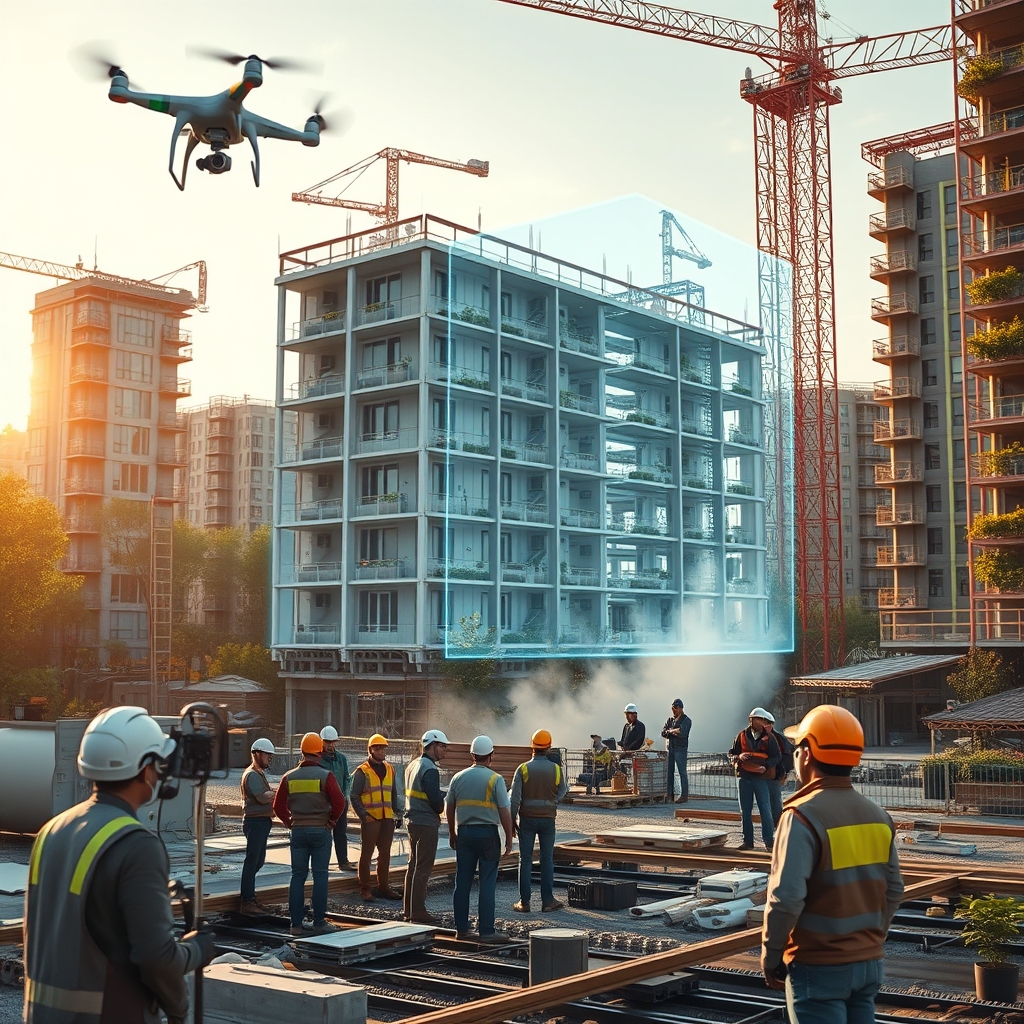
In an era where sustainability is no longer a choice but a necessity, the construction industry is undergoing a profound transformation. At the heart of this evolution lies smart site monitoring, a dynamic fusion of technology and human ingenuity that is redefining how we build. By integrating real-time data, IoT sensors, and AI-driven analytics, construction sites are becoming smarter, safer, and significantly more sustainable. This shift is not just about efficiency—it’s about creating a built environment that harmonizes with the planet while meeting the demands of modern urbanization.
The Digital Nervous System of Modern Construction
Imagine a construction site where every movement, every material, and every environmental factor is tracked in real time. Smart site monitoring systems act as the digital nervous system of a project, providing instant feedback on everything from structural integrity to energy consumption. IoT-enabled sensors embedded in machinery, materials, and even worker gear collect data on temperature, humidity, vibration, and air quality. This information is then processed by AI algorithms that detect anomalies, predict potential issues, and optimize workflows before problems arise.
For example, sensors placed on concrete forms can monitor curing conditions, ensuring optimal strength development while reducing waste. Similarly, drones equipped with thermal imaging can scan large sites for heat leaks or insulation gaps in real time, allowing for immediate corrections. This level of precision not only enhances quality but also minimizes resource overuse, a cornerstone of sustainable building methods.
Real-Time Transparency: Bridging the Gap Between Planning and Execution
One of the most significant challenges in construction has always been the disconnect between design and execution. Traditional methods rely on periodic inspections and manual reporting, which often lead to delays, cost overruns, and sustainability compromises. Smart site monitoring bridges this gap by providing real-time project transparency, enabling stakeholders to make informed decisions on the fly.
Cloud-based platforms aggregate data from sensors, drones, and wearable devices, presenting it in intuitive dashboards accessible to architects, engineers, and project managers. This transparency fosters collaborative building design, as teams can adjust plans dynamically based on live conditions. For instance, if sensors detect that a prefabricated module is delayed due to weather, the system can automatically reschedule dependent tasks, reducing idle time and energy waste.
The Human Element: Empathy Meets Technology
While technology is the enabler, the true power of smart site monitoring lies in its ability to enhance human-centric structural design. Wearable devices track worker fatigue, ensuring safety protocols are followed and preventing accidents. AI-driven analytics can even predict which tasks are most physically demanding, allowing for better workforce allocation and reducing burnout.
Moreover, smart monitoring systems empower workers by providing them with actionable insights. For example, augmented reality (AR) glasses can overlay digital instructions onto physical tasks, guiding laborers through complex installations with precision. This not only improves accuracy but also fosters a culture of continuous learning and engagement on site.
Sustainability Through Data-Driven Decisions
At its core, smart site monitoring is a tool for sustainability. By tracking resource usage—such as water, electricity, and materials—systems can identify inefficiencies and suggest optimizations. For instance, AI can analyze energy consumption patterns and recommend adjustments to HVAC systems or lighting, reducing a site’s carbon footprint without compromising productivity.
Additionally, smart monitoring facilitates eco-friendly material selection by providing data on the environmental impact of different options. For example, sensors can track the lifecycle emissions of materials like steel versus cross-laminated timber, helping teams make informed choices that align with sustainability goals. This data-driven approach ensures that every decision contributes to a greener, more resilient built environment.
The Future: Adaptive and Self-Optimizing Sites
The next frontier of smart site monitoring lies in adaptive construction solutions—sites that not only monitor but also self-optimize. Machine learning algorithms can analyze historical data to predict future challenges, such as supply chain disruptions or weather delays, and proactively adjust schedules. This level of automation reduces human error and ensures that projects stay on track, both in terms of timelines and sustainability targets.
Furthermore, the integration of digital twin site management allows for virtual replicas of physical sites, enabling teams to simulate scenarios before implementing them in the real world. For example, a digital twin can model the impact of different insulation materials on a building’s energy efficiency, allowing for informed decisions without physical trial and error. This not only saves time and resources but also accelerates the adoption of innovative, sustainable practices.
As the construction industry continues to embrace technology, smart site monitoring will play an increasingly pivotal role in shaping a sustainable future. By combining real-time data, AI-driven insights, and human-centric design, these systems are not just improving efficiency—they are redefining what it means to build responsibly. The sites of tomorrow will be living, breathing entities, constantly evolving to meet the needs of both people and the planet, proving that the most advanced tools are those that serve a greater purpose.