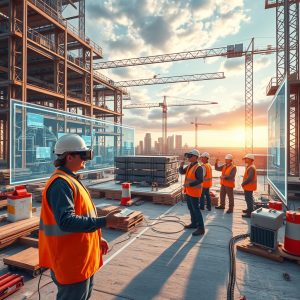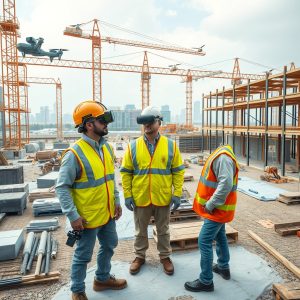
Immersive Construction Planning: Bridging Digital Twins and Human-Centric Design for Smarter, Greener Builds
In an era where sustainability and efficiency are no longer optional but essential, the construction industry is undergoing a profound transformation. At the heart of this evolution lies immersive construction planning, a dynamic approach that merges cutting-edge digital tools with human-centric design principles to create smarter, greener, and more adaptive building processes. By leveraging technologies like digital twin site management and collaborative building design, construction professionals are not only optimizing workflows but also redefining how projects are conceived, executed, and experienced.
The Power of Digital Twins in Construction
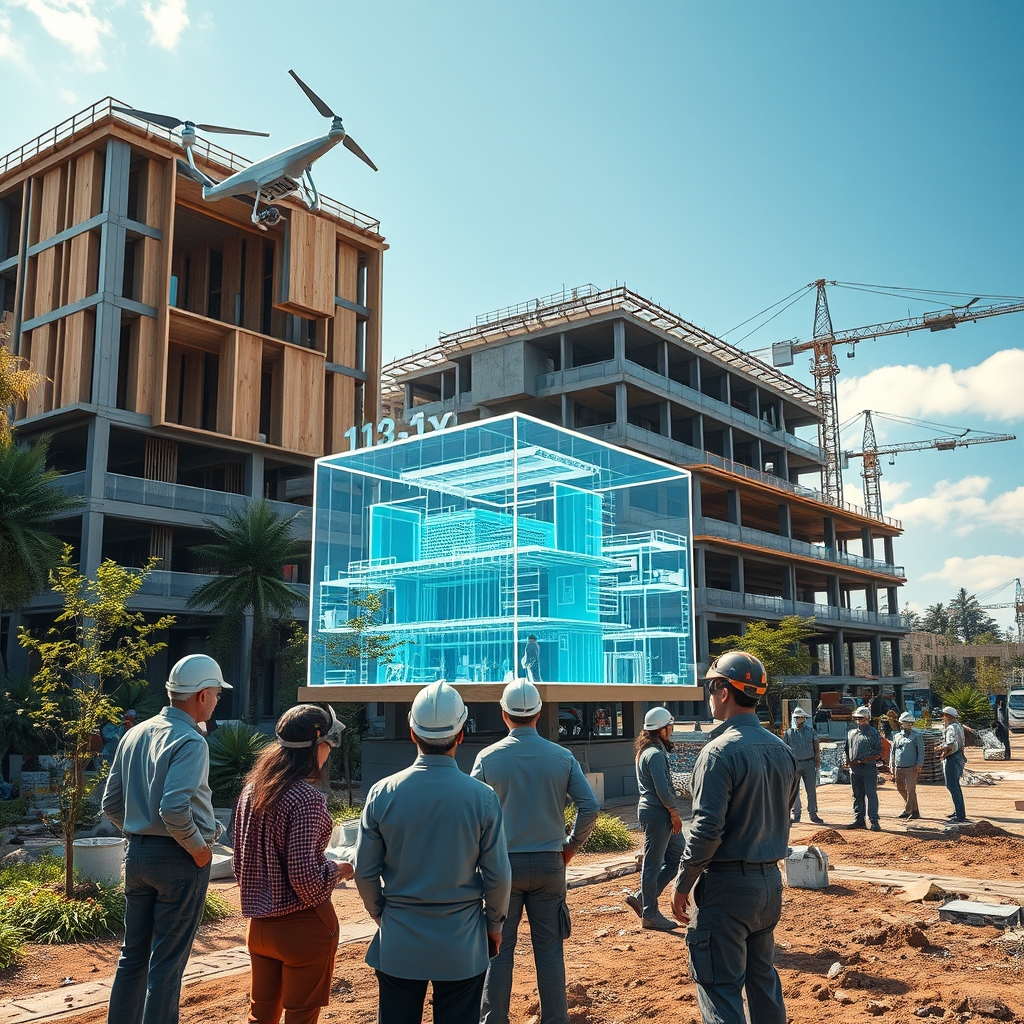
Digital twins—virtual replicas of physical construction sites—have emerged as a game-changer in modern building practices. These dynamic models provide real-time insights into every facet of a project, from structural integrity to resource allocation. By simulating construction scenarios before breaking ground, teams can identify potential bottlenecks, optimize material usage, and minimize waste. This level of precision engineering ensures that projects stay on schedule and within budget while significantly reducing their environmental footprint.
For example, a digital twin can predict how changes in weather conditions might impact construction timelines or how different materials will perform under stress. This foresight allows teams to make data-driven decisions, enhancing both efficiency and sustainability. Moreover, digital twins facilitate real-time project transparency, enabling stakeholders to monitor progress remotely and collaborate seamlessly, regardless of their physical location.
Human-Centric Design: Putting People First
While technology drives innovation, the human element remains irreplaceable in construction. Human-centric structural design prioritizes the needs, safety, and well-being of both workers and end-users. This approach goes beyond aesthetics and functionality, considering factors like ergonomics, accessibility, and mental health. For instance, designing workspaces that reduce physical strain or incorporating natural light to boost productivity can have a profound impact on the quality of life for occupants.
Incorporating human-centric principles into construction planning also means fostering a culture of collaboration. Collaborative building design brings architects, engineers, contractors, and clients together from the outset, ensuring that every voice is heard and every perspective is considered. This inclusive approach not only enhances creativity but also reduces the risk of costly errors or redesigns later in the project.
Eco-Friendly Material Selection: Building for the Future
Sustainability is a cornerstone of modern construction, and eco-friendly material selection plays a pivotal role in achieving this goal. From recycled steel and reclaimed wood to innovative composites and low-carbon concrete, the choices available today are more diverse and sustainable than ever before. These materials not only reduce the environmental impact of construction but also often offer superior durability and performance.
For example, cross-laminated timber (CLT) is gaining popularity as a renewable alternative to traditional steel and concrete. It sequesters carbon, reduces construction time, and provides excellent thermal insulation. Similarly, self-healing concrete, which uses bacteria to repair cracks, extends the lifespan of structures while minimizing maintenance costs. By prioritizing such materials, construction projects can achieve higher green building certification standards and contribute to a more sustainable built environment.
Smart Site Monitoring: Enhancing Safety and Efficiency
Construction sites are inherently complex and hazardous environments. Smart site monitoring leverages IoT sensors, drones, and AI-driven analytics to enhance safety and efficiency. These technologies provide real-time data on everything from equipment usage to worker movements, enabling proactive risk management. For instance, wearable devices can alert workers to potential hazards, while drones can conduct aerial inspections to identify structural weaknesses or safety violations.
Beyond safety, smart monitoring also optimizes resource allocation. Sensors can track the usage of materials like concrete or steel, ensuring that supplies are ordered just in time to avoid waste. This level of efficient resource allocation not only reduces costs but also minimizes the environmental impact of construction activities.
Modular Building Techniques: Speed Meets Sustainability
Modular construction is revolutionizing the industry by combining speed, sustainability, and quality. By prefabricating building components in controlled factory settings, projects can be completed up to 50% faster than traditional methods. This approach also reduces material waste, as components are precision-engineered to fit perfectly, minimizing on-site adjustments.
Moreover, modular techniques enable greater flexibility in design. Buildings can be easily expanded, reconfigured, or even relocated, making them ideal for urban environments where space is at a premium. This adaptability aligns with the principles of adaptive construction solutions, ensuring that structures can evolve alongside the needs of their occupants.
The Role of Client Participatory Building
Involving clients in the construction process is no longer a luxury but a necessity. Client participatory building empowers end-users to shape the spaces they will inhabit, fostering a sense of ownership and satisfaction. Through immersive technologies like virtual reality (VR) and augmented reality (AR), clients can visualize designs, explore different layouts, and provide feedback in real time. This collaborative approach ensures that the final product aligns with their vision and needs.
For example, a hospital might use VR to simulate patient flows and staff movements, allowing administrators to optimize the layout for efficiency and comfort. Similarly, homeowners can use AR to see how different finishes or fixtures will look in their space before making a decision. By integrating clients into the planning process, construction projects become more personalized, functional, and successful.
As the construction industry continues to evolve, the fusion of immersive planning, digital twins, and human-centric design is setting a new standard for what is possible. These innovations are not just improving efficiency and sustainability—they are redefining the very essence of how we build. By embracing these tools and principles, the industry can create structures that are not only smarter and greener but also more responsive to the needs of the people who use them every day. The future of construction is here, and it is built on collaboration, technology, and a deep commitment to sustainability.