Building Smarter: How Lean Practices and Digital Twins Are Revolutionizing Eco-Friendly Construction Workflows
In an era where sustainability is no longer a choice but a necessity, the construction industry is undergoing a profound transformation. The shift toward eco-friendly building methods is not just about reducing carbon footprints; it’s about reimagining how projects are conceived, executed, and delivered. At the heart of this evolution lies a powerful synergy between lean construction practices and digital twin technology, a combination that is redefining efficiency, precision, and collaboration in ways previously unimaginable.
The Lean Construction Revolution
Lean construction is more than a methodology—it’s a philosophy that prioritizes value, minimizes waste, and maximizes efficiency. Originating from manufacturing principles, lean practices have been adapted to the construction industry to address its unique challenges, such as unpredictable site conditions, fragmented workflows, and resource inefficiencies. By focusing on continuous improvement and eliminating non-value-added activities, lean construction ensures that every material, labor hour, and process contributes directly to the project’s success.
One of the most impactful lean techniques is the Last Planner System (LPS), which empowers frontline workers to take ownership of their tasks and collaborate closely with planners. This bottom-up approach not only improves workflow reliability but also fosters a culture of accountability and transparency. When combined with just-in-time delivery of materials, lean construction reduces overproduction, excess inventory, and unnecessary transportation, all of which contribute to a project’s environmental impact.
The Digital Twin Advantage
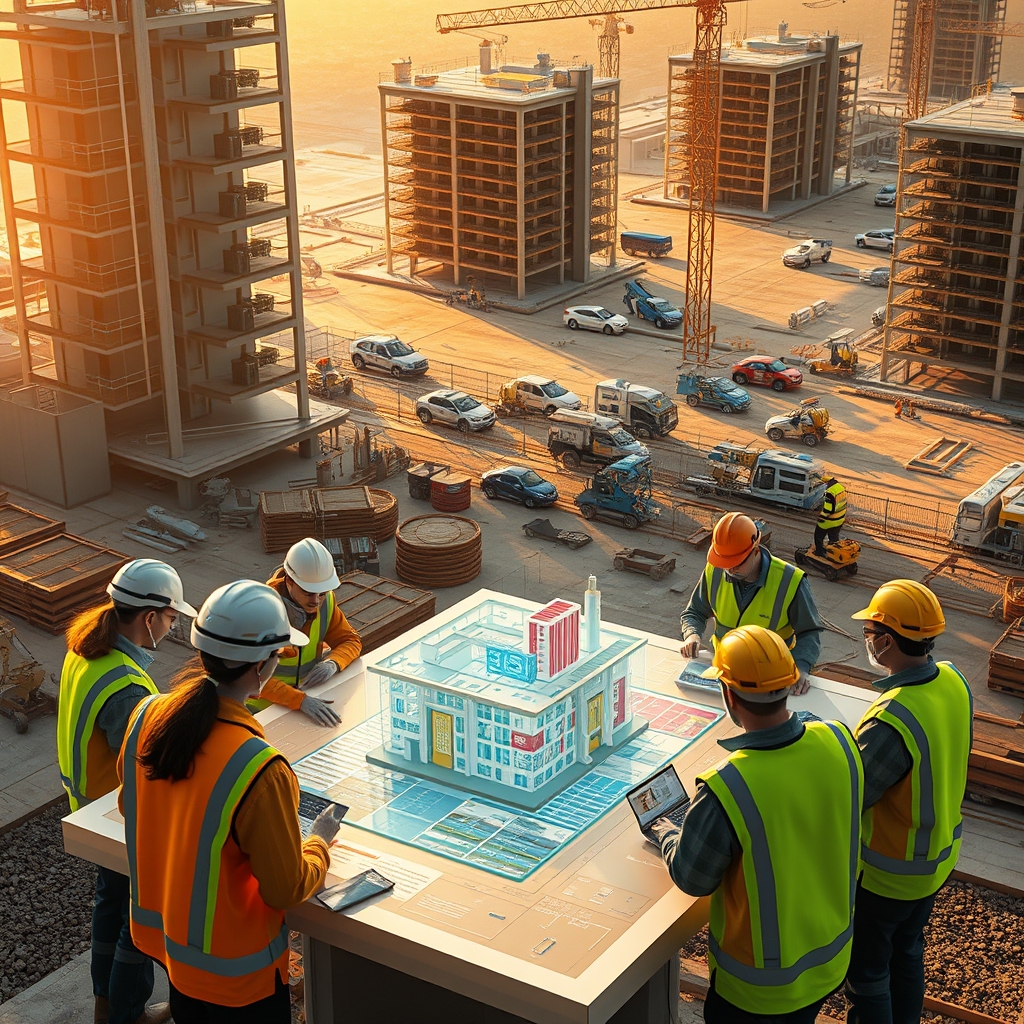
While lean practices streamline physical workflows, digital twin technology revolutionizes how construction projects are planned, monitored, and optimized. A digital twin is a dynamic, real-time virtual replica of a physical construction site, complete with data from sensors, drones, and IoT devices. This digital counterpart allows project teams to simulate scenarios, predict outcomes, and make data-driven decisions before breaking ground.
For example, digital twins can model the energy performance of a building before construction begins, enabling architects and engineers to optimize designs for sustainability. They can also track resource usage in real time, alerting teams to potential inefficiencies or waste. By integrating digital twins with lean construction practices, project managers can identify bottlenecks, adjust workflows, and ensure that every decision aligns with both efficiency and sustainability goals.
Real-Time Transparency and Collaboration
One of the most significant benefits of combining lean construction with digital twins is the unprecedented level of transparency it brings to projects. Stakeholders—from architects to subcontractors to clients—can access the same real-time data, fostering collaboration and reducing miscommunication. This shared visibility ensures that everyone is aligned with the project’s objectives, whether it’s meeting sustainability targets or adhering to tight deadlines.
Digital twins also enable predictive analytics, allowing teams to anticipate challenges before they arise. For instance, if a sensor detects a delay in material delivery, the digital twin can simulate alternative workflows to mitigate the impact. This proactive approach not only saves time and money but also reduces the environmental footprint of the project by minimizing rework and waste.
Human-Centric Design in a Tech-Driven World
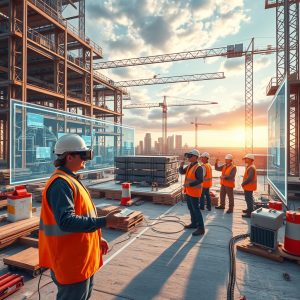
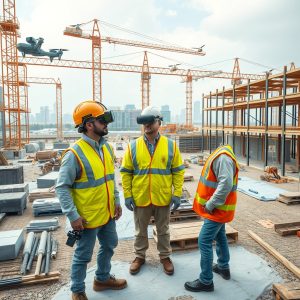
While technology plays a pivotal role in modern construction, the human element remains irreplaceable. Lean construction and digital twins are not about replacing workers with machines; they’re about empowering teams with the tools they need to work smarter. Human-centric design ensures that technology enhances, rather than hinders, the construction process. For example, wearable devices can monitor workers’ health and safety in real time, while augmented reality (AR) can provide on-site guidance for complex tasks.
Moreover, lean practices emphasize the importance of worker input, recognizing that those on the front lines often have the best insights into improving processes. By fostering a culture of continuous feedback, construction teams can refine workflows, reduce errors, and create a more sustainable and efficient work environment.
The Future of Sustainable Construction
The integration of lean construction practices and digital twin technology is not just a trend—it’s a fundamental shift in how the industry operates. As construction projects become more complex and sustainability demands grow, the need for smarter, more adaptive solutions will only increase. Digital twins provide the data and insights needed to make informed decisions, while lean practices ensure that those decisions are executed with precision and efficiency.
This synergy is already yielding tangible results. Projects that adopt these methods report shorter timelines, lower costs, and reduced environmental impact. More importantly, they demonstrate that sustainability and efficiency are not mutually exclusive but can be achieved simultaneously through innovation and collaboration. The construction sites of tomorrow will not only be smarter and more efficient but also kinder to the planet, proving that the future of building is as much about people and the environment as it is about bricks and mortar.
As the industry continues to evolve, the lessons learned from lean construction and digital twins will serve as a blueprint for a new era of sustainable development. The tools and techniques may change, but the core principles—efficiency, collaboration, and respect for resources—will remain the foundation of every successful project. The question is no longer whether the construction industry can adapt to these changes, but how quickly it can embrace them to build a better, more sustainable world.