Real-Time Project Transparency: The Catalyst for Trust and Efficiency in Modern Construction
In an industry where delays, cost overruns, and miscommunication have long been accepted as inevitable, real-time project transparency is emerging as a game-changer. Construction sites are no longer black boxes where stakeholders operate in the dark until problems surface. Instead, they are evolving into dynamic ecosystems where data flows seamlessly, decisions are informed by live insights, and trust is built through visibility. This shift isn’t just about adopting new tools—it’s about redefining how teams collaborate, how risks are managed, and how projects ultimately succeed.
The Power of Instant Visibility
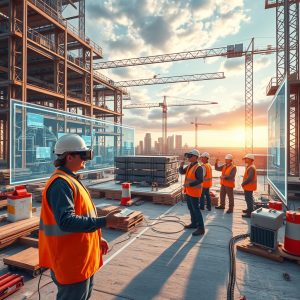
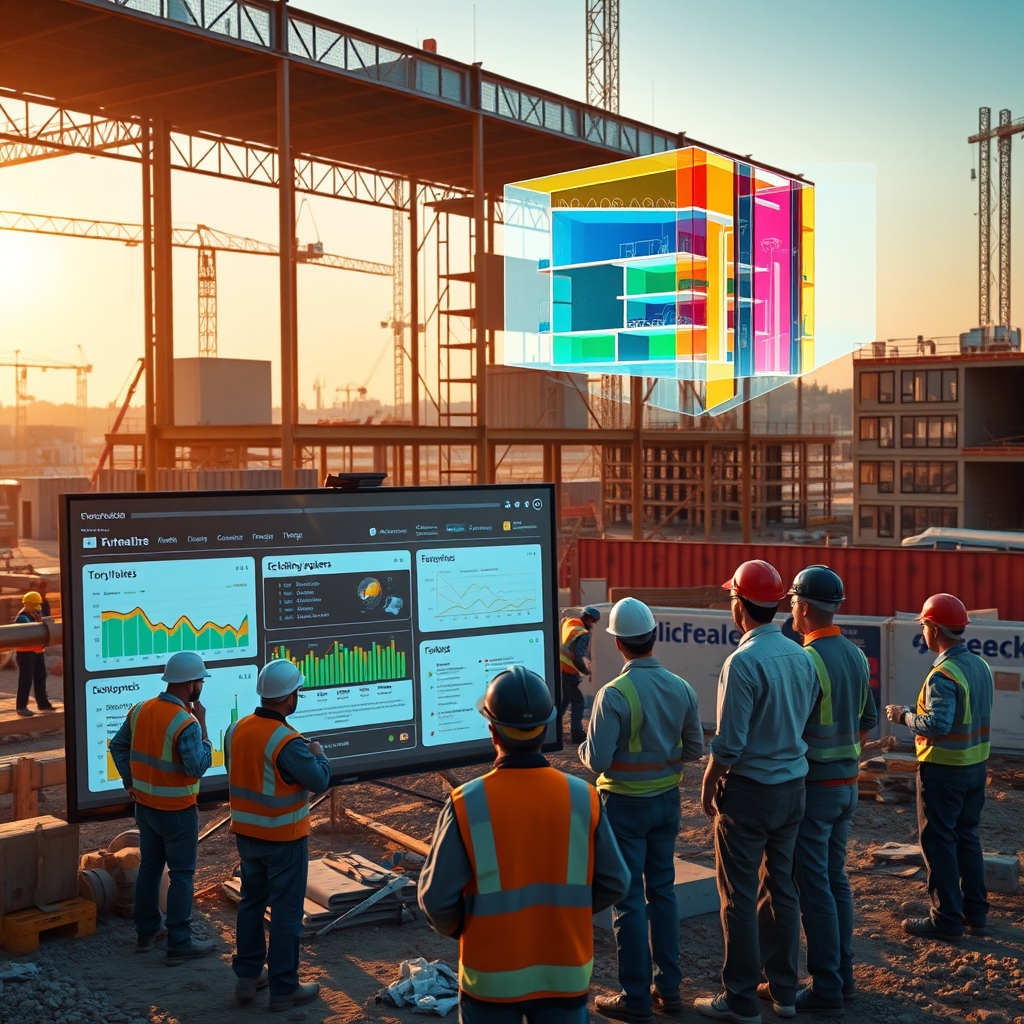
Traditional construction projects often rely on periodic updates, static reports, and delayed communication. By the time an issue is identified, it may have already spiraled into a costly problem. Real-time transparency flips this model on its head. With cloud-based platforms, IoT sensors, and digital twin technology, every stakeholder—from architects to contractors to clients—can access live data on progress, material deliveries, equipment usage, and even environmental conditions. This level of visibility doesn’t just reduce surprises; it empowers teams to act proactively.
For example, imagine a project where weather sensors detect an impending storm. Instead of waiting for the storm to hit and cause delays, the system automatically alerts the site manager, who can adjust schedules, secure materials, and notify subcontractors in advance. This kind of agility is only possible when transparency is baked into the workflow from day one.
Building Trust Through Accountability
Transparency isn’t just about efficiency—it’s about trust. Clients and investors are no longer content with vague assurances or after-the-fact explanations. They want to see progress as it happens, understand risks in real time, and have a voice in key decisions. Real-time dashboards and collaborative platforms make this possible by providing a single source of truth that everyone can access.
Consider a scenario where a client notices a discrepancy in the construction timeline. Instead of waiting for a monthly meeting to raise concerns, they can flag the issue immediately through the platform, triggering a discussion with the project team. This kind of open dialogue fosters accountability and ensures that small problems don’t escalate into major conflicts. When stakeholders feel informed and involved, trust becomes the foundation of the project, not an afterthought.
Lean Practices and Transparency: A Perfect Pair
Real-time transparency and lean construction practices go hand in hand. Lean principles emphasize eliminating waste, optimizing workflows, and delivering value to the client. Transparency accelerates these goals by providing the data needed to identify inefficiencies, streamline processes, and make data-driven decisions. For instance, if a digital twin reveals that a particular phase of construction is consistently causing bottlenecks, the team can analyze the root cause and adjust their approach—whether it’s reallocating resources, revising the sequence of tasks, or investing in better equipment.
This synergy is particularly powerful in modular construction, where precision and coordination are critical. Real-time tracking of prefabricated components ensures that they arrive on site exactly when needed, reducing storage costs and minimizing delays. When transparency and lean practices align, projects don’t just run smoother—they deliver better outcomes with fewer resources.
The Human Element: Empowering Teams with Data
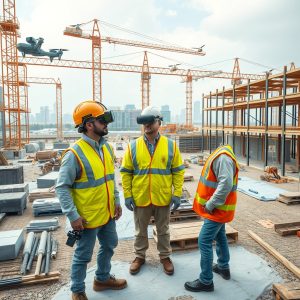
While technology is the enabler of real-time transparency, its true value lies in how it empowers people. Construction is a human-driven industry, and tools like smart site monitoring or digital twins are only as effective as the teams using them. When workers, managers, and clients have access to the same data, hierarchies flatten, communication improves, and collaboration becomes more meaningful.
Take the example of a site supervisor who notices a safety hazard. With real-time reporting tools, they can instantly document the issue, assign a resolution, and track its progress—all while keeping the entire team informed. This not only mitigates risks but also creates a culture of shared responsibility. When everyone has visibility into the project’s health, they’re more likely to take ownership of their role in its success.
Eco-Friendly Material Selection in a Transparent World
Sustainability is another area where real-time transparency shines. Selecting eco-friendly materials is a priority for modern construction, but verifying their sourcing, performance, and environmental impact can be challenging. Transparent supply chains, powered by blockchain or digital tracking, allow teams to trace materials from origin to installation, ensuring they meet sustainability standards. If a material doesn’t meet the project’s criteria, the system can flag it before it’s even delivered to the site, saving time and reducing waste.
This level of transparency also extends to energy efficiency. Smart sensors can monitor a building’s performance in real time, identifying areas where energy is being wasted and suggesting adjustments. For clients focused on green building certifications, this data is invaluable—it provides the proof they need to demonstrate compliance and achieve their sustainability goals.
The Future: Transparency as the New Standard
As construction continues to evolve, real-time transparency will move from being a competitive advantage to an industry standard. Projects that embrace this shift will not only deliver better results but also attract clients, investors, and talent who value openness and collaboration. The tools and technologies are already here—what’s needed now is a cultural shift, one where transparency is seen not as a risk, but as the key to unlocking efficiency, trust, and innovation.
The most successful projects of the future won’t be the ones with the biggest budgets or the most advanced tools, but those where every stakeholder—from the architect to the laborer to the client—can see the bigger picture, understand their role in it, and work together to bring it to life. In a world where information is power, real-time transparency is the ultimate equalizer, turning construction sites into hubs of collaboration, accountability, and shared success.