The Synergy of Human-Centric Design and Automated Building Processes: Crafting the Future of Sustainable Construction
In an era where technology and sustainability intersect more than ever, the construction industry is undergoing a profound transformation. The fusion of human-centric design principles with automated building processes is not just a trend—it’s a revolution that promises to redefine how we conceive, construct, and inhabit spaces. This evolution is driven by a collective recognition that buildings must serve people first, while also minimizing environmental impact and maximizing efficiency. The question is no longer whether we can build smarter, but how we can integrate these advancements seamlessly into every phase of construction.
The Heart of Human-Centric Design
At its core, human-centric design prioritizes the needs, comfort, and well-being of the people who will use a space. This approach goes beyond aesthetics or functionality; it considers the emotional and psychological impact of the built environment. For instance, natural lighting, ventilation, and open spaces are no longer optional luxuries but essential components of modern design. These elements not only enhance the quality of life for occupants but also contribute to energy efficiency, reducing the carbon footprint of buildings over time.
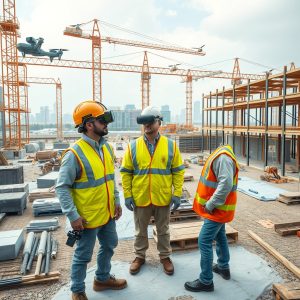
However, human-centric design is not just about the end-user. It also encompasses the well-being of the construction workforce. Ergonomic tools, safe working conditions, and mental health considerations are increasingly becoming part of the conversation. When workers feel valued and protected, productivity and quality of work improve, leading to better outcomes for all stakeholders involved. This holistic approach ensures that every individual touched by a project—from architects to laborers to future residents—benefits from thoughtful, inclusive design.
The Rise of Automation in Construction
Automation is often perceived as a threat to traditional construction methods, but when integrated thoughtfully, it can enhance rather than replace human effort. Automated building processes, such as robotic bricklaying, 3D printing of structural components, and AI-driven project management, are streamlining workflows and reducing human error. These technologies allow for precision engineering that was once unimaginable, ensuring that every element of a build is executed with exacting standards.
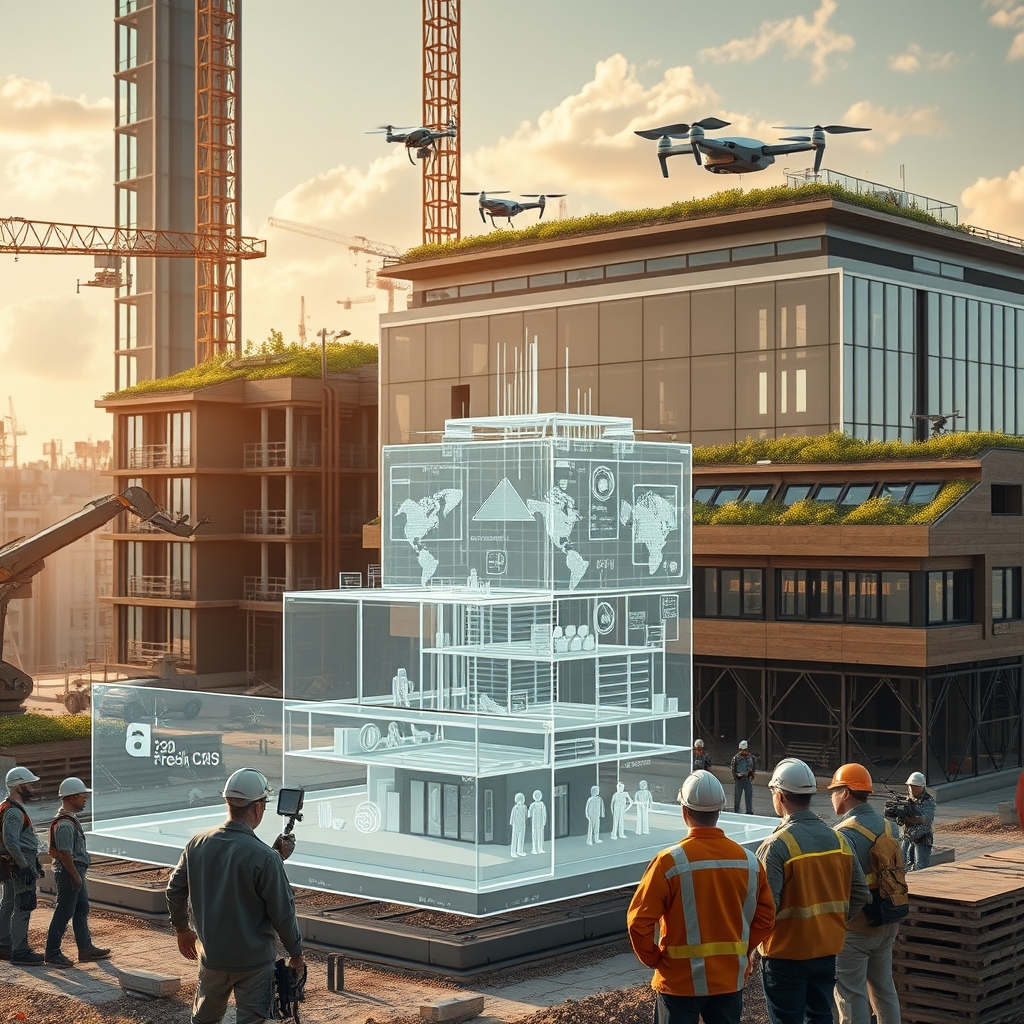
One of the most significant advantages of automation is its ability to optimize resource allocation. By leveraging data analytics and machine learning, construction teams can predict material needs, reduce waste, and minimize delays. For example, digital twin technology creates a virtual replica of a construction site, allowing teams to simulate and refine processes before breaking ground. This not only saves time and money but also reduces the environmental impact of construction by preventing overordering of materials or unnecessary rework.
Bridging the Gap: Where Human-Centric Design Meets Automation
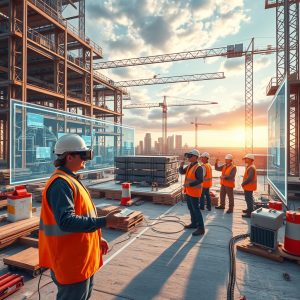
The true magic happens when human-centric design and automation converge. Imagine a construction site where drones monitor progress in real-time, providing data that informs adjustments to workflows or material deliveries. Meanwhile, architects and engineers collaborate in immersive virtual environments, tweaking designs based on real-world constraints and user feedback. This level of integration ensures that technology serves the people behind the project, rather than the other way around.
Modular building techniques are a prime example of this synergy. By prefabricating components in controlled factory settings, construction teams can ensure consistency, quality, and speed—all while reducing waste. These modules can then be assembled on-site with minimal disruption to the surrounding environment. The result is a building that is not only sustainable but also tailored to the needs of its occupants, with customizable layouts and features that reflect human-centric principles.
Sustainability as a Non-Negotiable Priority
Sustainability is no longer a buzzword; it’s a necessity. The construction industry is one of the largest contributors to global carbon emissions, and the pressure to adopt eco-friendly practices has never been greater. Automated processes play a crucial role in this shift by enabling more efficient use of materials and energy. For instance, AI can optimize the cutting of materials to minimize waste, while smart sensors can monitor energy consumption during and after construction, ensuring that buildings operate at peak efficiency.
Eco-friendly material selection is another critical aspect of sustainable construction. Innovations in materials science have led to the development of alternatives like cross-laminated timber, recycled steel, and self-healing concrete. These materials not only reduce the environmental impact of construction but also enhance the durability and longevity of buildings. When combined with automated processes, they allow for faster, greener construction without compromising on quality or aesthetics.
The Role of Collaboration in Shaping the Future
No single technology or approach can transform the construction industry alone. The future lies in collaboration—between architects, engineers, contractors, and technology providers. Collaborative building design platforms enable teams to work together in real-time, sharing insights and making decisions that reflect the best of both human creativity and machine precision. This level of integration fosters innovation and ensures that projects are delivered on time, within budget, and to the highest standards.
Client participatory building is another emerging trend that underscores the importance of collaboration. By involving clients in the design and construction process, teams can ensure that the final product aligns with their vision and needs. Real-time project transparency tools, such as cloud-based dashboards, allow clients to track progress, provide feedback, and make informed decisions. This not only builds trust but also ensures that the end result is a space that truly resonates with its users.
The construction industry stands at a crossroads, where the choices we make today will shape the built environment for generations to come. By embracing the synergy of human-centric design and automated building processes, we can create spaces that are not only efficient and sustainable but also deeply connected to the people who inhabit them. The tools and technologies are already here; what’s needed now is the vision and commitment to use them in ways that prioritize both people and the planet. As we move forward, the most successful projects will be those that recognize the irreplaceable value of human insight, even as they harness the power of machines to bring those insights to life.