The Human Touch in Tech-Driven Construction: How Adaptive Solutions and Lean Practices Are Shaping Sustainable Sites
Construction sites are no longer just about bricks, mortar, and manual labor. Today, they are dynamic ecosystems where technology and human ingenuity converge to create structures that are not only efficient but also sustainable and responsive to the needs of their occupants. The shift toward adaptive construction solutions and lean construction practices is redefining how projects are planned, executed, and monitored, ensuring that every decision is data-driven yet deeply human-centric.
The Rise of Adaptive Construction Solutions
Adaptive construction solutions are transforming the way buildings are designed and erected. These methods prioritize flexibility, allowing structures to evolve in response to changing environmental conditions, user needs, or even unforeseen challenges. For instance, modular building techniques enable components to be prefabricated off-site and assembled with precision, reducing waste and accelerating timelines. This approach not only enhances efficiency but also minimizes the environmental footprint of construction by optimizing material usage and energy consumption.
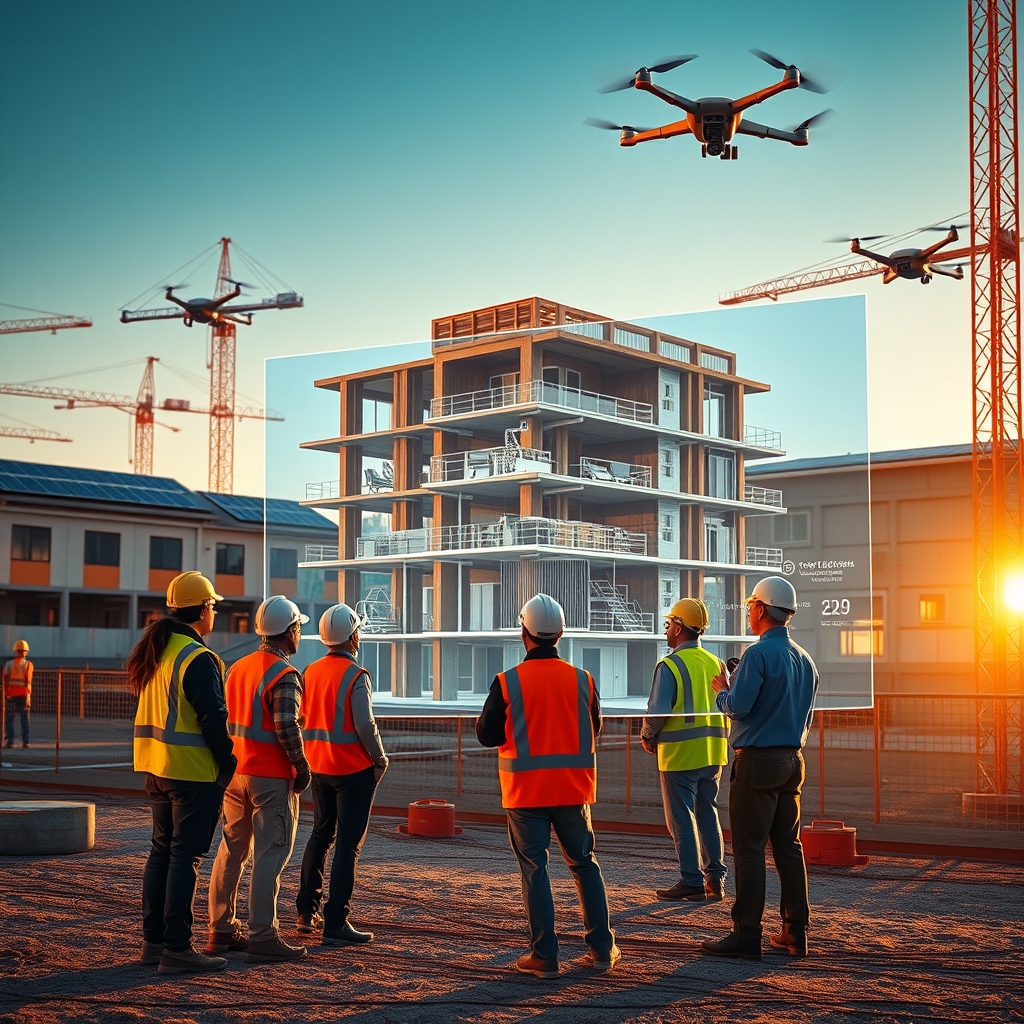
Another key aspect of adaptive solutions is their ability to integrate real-time project transparency. By leveraging digital tools like digital twin site management, teams can simulate and monitor every phase of construction before a single shovel hits the ground. This level of foresight allows for proactive adjustments, ensuring that projects stay on track while adhering to sustainability goals. The result? Buildings that are not only structurally sound but also aligned with the principles of eco-friendly material selection and resource efficiency.
Lean Practices: Doing More with Less
Lean construction practices are rooted in the idea of maximizing value while minimizing waste. This philosophy extends beyond materials to encompass time, labor, and even energy. By adopting precision engineering methods, construction teams can streamline workflows, reduce redundancies, and ensure that every resource is utilized to its fullest potential. For example, just-in-time delivery systems prevent overstocking of materials, reducing storage costs and the risk of damage or obsolescence.
Lean practices also emphasize collaborative building design, where architects, engineers, contractors, and clients work in unison from the outset. This integrated approach fosters innovation and ensures that all stakeholders are aligned with the project’s sustainability objectives. Tools like Building Information Modeling (BIM) facilitate this collaboration by providing a shared digital platform where changes can be visualized and assessed in real time. The outcome is a more cohesive, efficient, and sustainable construction process.
Smart Site Monitoring: The Eyes and Ears of Modern Construction
Technology plays a pivotal role in enabling lean and adaptive construction. Smart site monitoring systems, equipped with IoT sensors and AI-driven analytics, provide real-time insights into everything from material usage to worker safety. These systems can detect inefficiencies, predict potential delays, and even optimize energy consumption on-site. For instance, sensors embedded in concrete can monitor curing times, ensuring that the material reaches its optimal strength before the next phase of construction begins.
Beyond efficiency, smart monitoring enhances human-centric structural design. By tracking environmental conditions such as temperature, humidity, and air quality, construction teams can create spaces that prioritize occupant well-being. This aligns with the growing demand for buildings that are not only sustainable but also healthy and comfortable for their users.
Balancing Technology and Human Ingenuity
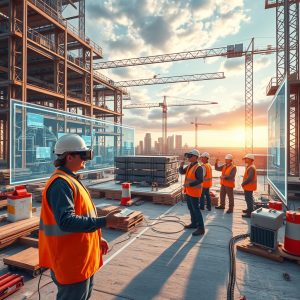
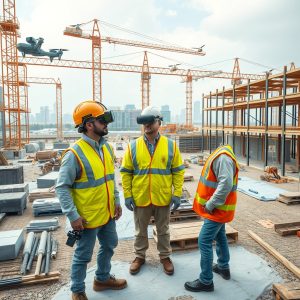
While technology is a powerful enabler, the human element remains irreplaceable in construction. Experiential construction workflows emphasize the importance of hands-on expertise, where workers are empowered to make informed decisions based on real-time data. For example, augmented reality (AR) tools can overlay digital blueprints onto physical sites, allowing workers to visualize the final structure and identify potential issues before they arise. This blend of digital and human insight ensures that projects are executed with precision and care.
Moreover, client participatory building is gaining traction as a way to ensure that end-users have a voice in the construction process. By involving clients in key decisions—from material selection to layout design—projects can better reflect the needs and preferences of those who will ultimately inhabit the space. This approach not only enhances satisfaction but also fosters a sense of ownership and connection to the built environment.
Eco-Friendly Materials: Building for the Future
The choice of materials is a critical factor in sustainable construction. Eco-friendly material selection involves opting for resources that are renewable, recyclable, or have a low environmental impact. Innovations like cross-laminated timber (CLT), recycled steel, and low-carbon concrete are revolutionizing the industry by offering alternatives to traditional, resource-intensive materials. These choices not only reduce the carbon footprint of construction but also contribute to healthier indoor environments by minimizing the use of toxic substances.
Additionally, the adoption of automated building processes is streamlining the use of these materials. Robotics and AI-driven systems can handle tasks such as bricklaying, welding, and even 3D printing of structural components with unparalleled precision. This not only speeds up construction but also reduces material waste, further enhancing sustainability.
The construction industry is at a crossroads, where the integration of technology and human-centric design is paving the way for a more sustainable and efficient future. By embracing adaptive solutions, lean practices, and smart monitoring, projects can achieve unprecedented levels of precision, transparency, and environmental responsibility. Yet, at the heart of this transformation lies a simple truth: the most advanced technologies are only as powerful as the people who wield them. It is this synergy between innovation and human insight that will continue to shape the buildings of tomorrow, ensuring they are not only structures of steel and concrete but also spaces that enrich the lives of those who inhabit them.