The Silent Evolution: How Tech-Integrated Lean Practices Are Crafting the Future of Human-Centric Construction Sites
The construction industry has long been perceived as a sector resistant to change, clinging to traditional methods that prioritize brute force over finesse. Yet, beneath the surface, a quiet revolution is underway—one that marries the precision of technology with the timeless principles of human-centric design. This evolution is not about replacing the human element but enhancing it, creating construction sites that are smarter, safer, and more sustainable than ever before. At the heart of this transformation lies the fusion of lean construction practices with cutting-edge digital tools, a combination that is redefining what it means to build for the future.
The Philosophy of Lean: Doing More with Less
Lean construction is not a new concept, but its principles have never been more relevant. Originating from the manufacturing sector, lean methodology focuses on minimizing waste—whether in time, materials, or effort—while maximizing value for the end user. In construction, this translates to streamlined workflows, reduced inefficiencies, and a relentless focus on delivering quality. But lean is more than just a set of tools; it’s a mindset that challenges teams to question every step of the process, asking, “Does this add value, or is it just noise?”
When applied effectively, lean practices can slash project timelines by up to 30% and cut costs by nearly 20%, according to industry studies. But the real magic happens when lean is paired with technology. Digital tools like Building Information Modeling (BIM) and real-time project management software allow teams to visualize workflows, identify bottlenecks, and adjust on the fly. This dynamic approach ensures that lean principles are not just theoretical but actionable, turning construction sites into hubs of efficiency and innovation.
The Digital Backbone: How Tech is Amplifying Lean Practices
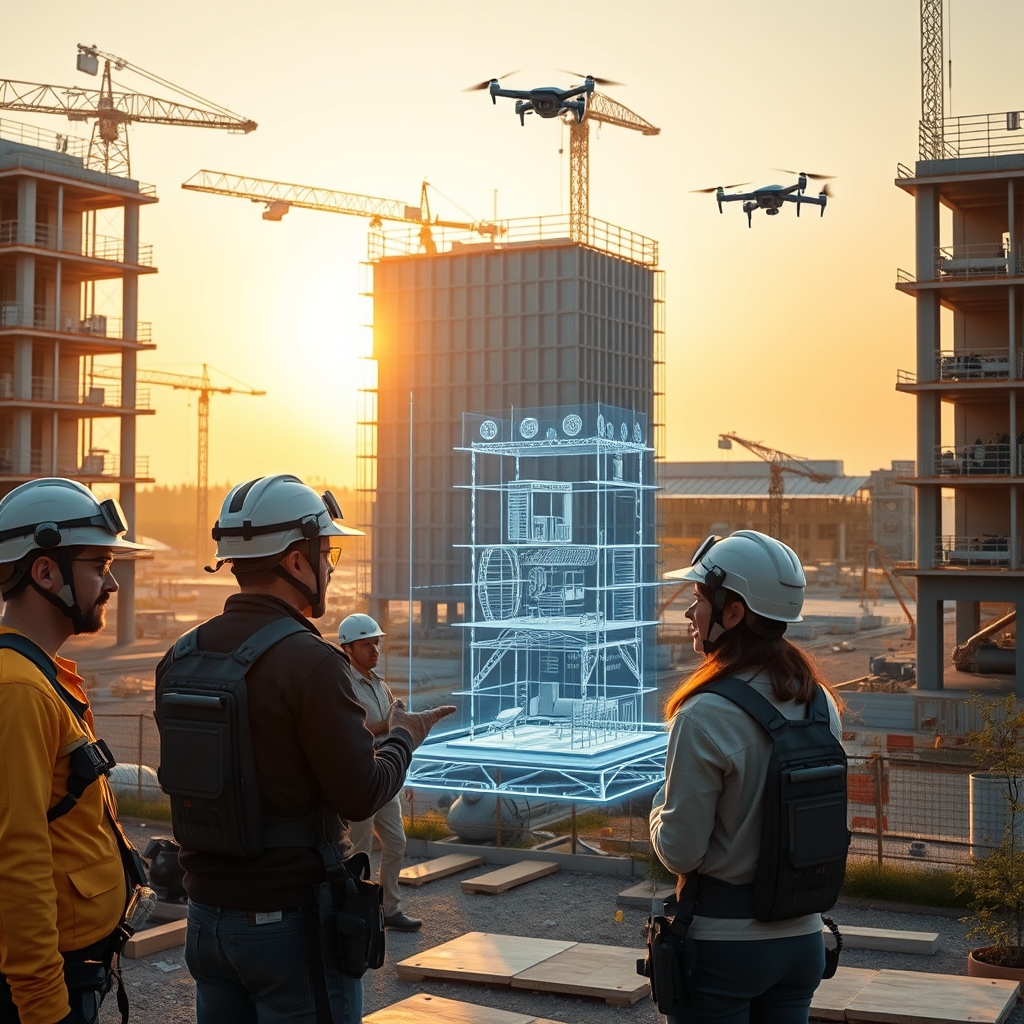
Technology is the catalyst that transforms lean construction from a philosophy into a tangible reality. Take, for example, the rise of digital twins—virtual replicas of physical construction sites that allow teams to simulate, monitor, and optimize every aspect of a project before a single brick is laid. These digital twins provide a sandbox for experimentation, enabling teams to test different scenarios, predict outcomes, and refine processes without the risk of real-world consequences. The result? Fewer surprises, fewer delays, and a smoother path to completion.
But digital twins are just one piece of the puzzle. Smart site monitoring systems, equipped with IoT sensors and AI-driven analytics, are revolutionizing how construction sites operate. These systems track everything from material usage to worker productivity, providing real-time data that empowers teams to make informed decisions. Imagine a site where equipment automatically alerts supervisors when maintenance is needed, or where materials are delivered just in time to avoid storage costs and waste. This is not the future; it’s happening now, and it’s reshaping the industry from the ground up.
Human-Centric Design: Putting People First
At its core, construction is about people—those who build, those who inhabit, and those who benefit from the spaces created. Human-centric design ensures that the needs, comfort, and well-being of these individuals are at the forefront of every decision. This approach goes beyond aesthetics; it’s about creating environments that enhance quality of life, whether through improved air quality, natural lighting, or ergonomic layouts that reduce strain on workers.
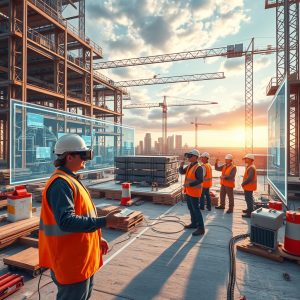
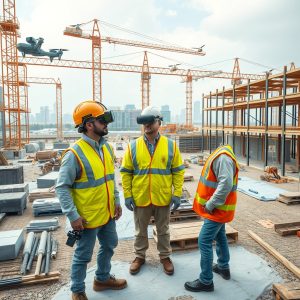
Technology plays a crucial role here as well. Immersive planning tools, such as virtual and augmented reality, allow designers and clients to step into a project before it’s built, experiencing spaces in a way that blueprints never could. This not only fosters collaboration but also ensures that the final product aligns with the vision and needs of its users. Meanwhile, wearable tech and exoskeletons are making construction sites safer and more accessible, reducing physical strain and preventing injuries. By integrating these tools into lean workflows, construction becomes not just efficient but inherently more humane.
The Ripple Effect: Sustainability as a Byproduct of Efficiency
One of the most compelling outcomes of tech-integrated lean practices is their impact on sustainability. When waste is minimized and resources are used efficiently, the environmental footprint of a project shrinks dramatically. Lean construction reduces material waste by ensuring that every component is used to its fullest potential, while digital tools optimize energy consumption and carbon emissions. For instance, smart site monitoring can track the environmental impact of a project in real time, allowing teams to adjust practices to meet sustainability goals.
Moreover, the shift toward modular and prefabricated building techniques—another hallmark of lean construction—further enhances sustainability. These methods reduce on-site waste, lower transportation emissions, and shorten construction timelines, all while maintaining high standards of quality. When combined with eco-friendly materials, such as recycled steel or low-carbon concrete, the result is a construction process that is not just efficient but inherently green.
Collaboration: The Glue That Holds It All Together
No amount of technology or lean methodology can succeed without collaboration. The most successful construction projects are those where architects, engineers, contractors, and clients work in harmony, each bringing their unique expertise to the table. Digital tools facilitate this collaboration by breaking down silos and enabling real-time communication. Cloud-based platforms allow teams to share updates, track progress, and resolve issues instantly, ensuring that everyone is aligned and working toward the same goal.
This collaborative spirit extends beyond the construction site. Clients are no longer passive observers but active participants in the process, thanks to tools like digital twins and immersive planning. By involving clients early and often, teams can ensure that the final product meets their expectations, reducing the need for costly changes and rework. This level of transparency builds trust and fosters long-term relationships, turning one-time projects into ongoing partnerships.
The construction sites of tomorrow are being built today, not with hammers and nails alone, but with a blend of human ingenuity and technological prowess. By embracing lean practices and integrating them with digital tools, the industry is not just keeping pace with change—it’s leading it. The result is a future where construction is faster, smarter, and more sustainable, all while putting the needs of people first. This is not just an evolution; it’s a revolution, one that promises to leave a lasting impact on the built environment and the lives it touches.