Client Participatory Building: How Real-Time Transparency and Human-Centric Design Are Redefining Construction Engagement
In an era where technology and sustainability intersect more than ever, the construction industry is undergoing a profound transformation—one that places clients at the heart of the building process. Gone are the days when stakeholders were mere spectators, receiving updates only at critical milestones. Today, client participatory building is emerging as a game-changer, blending real-time project transparency with human-centric structural design to create a more inclusive, collaborative, and adaptive construction experience. This shift isn’t just about keeping clients informed; it’s about empowering them to shape the spaces they inhabit, ensuring that every decision aligns with their vision, values, and long-term goals.
The Evolution of Client Engagement in Construction
Traditionally, construction projects followed a linear path: architects designed, engineers planned, contractors built, and clients were often left in the dark until the final reveal. This approach, while efficient in some respects, often led to misaligned expectations, costly revisions, and a sense of detachment between clients and the spaces they would eventually occupy. The rise of digital twin site management and immersive construction planning has begun to dismantle these barriers, offering clients a front-row seat to the entire process.
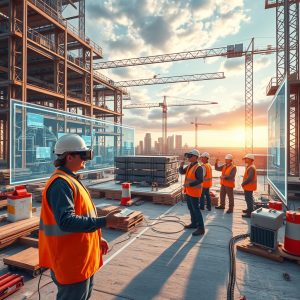
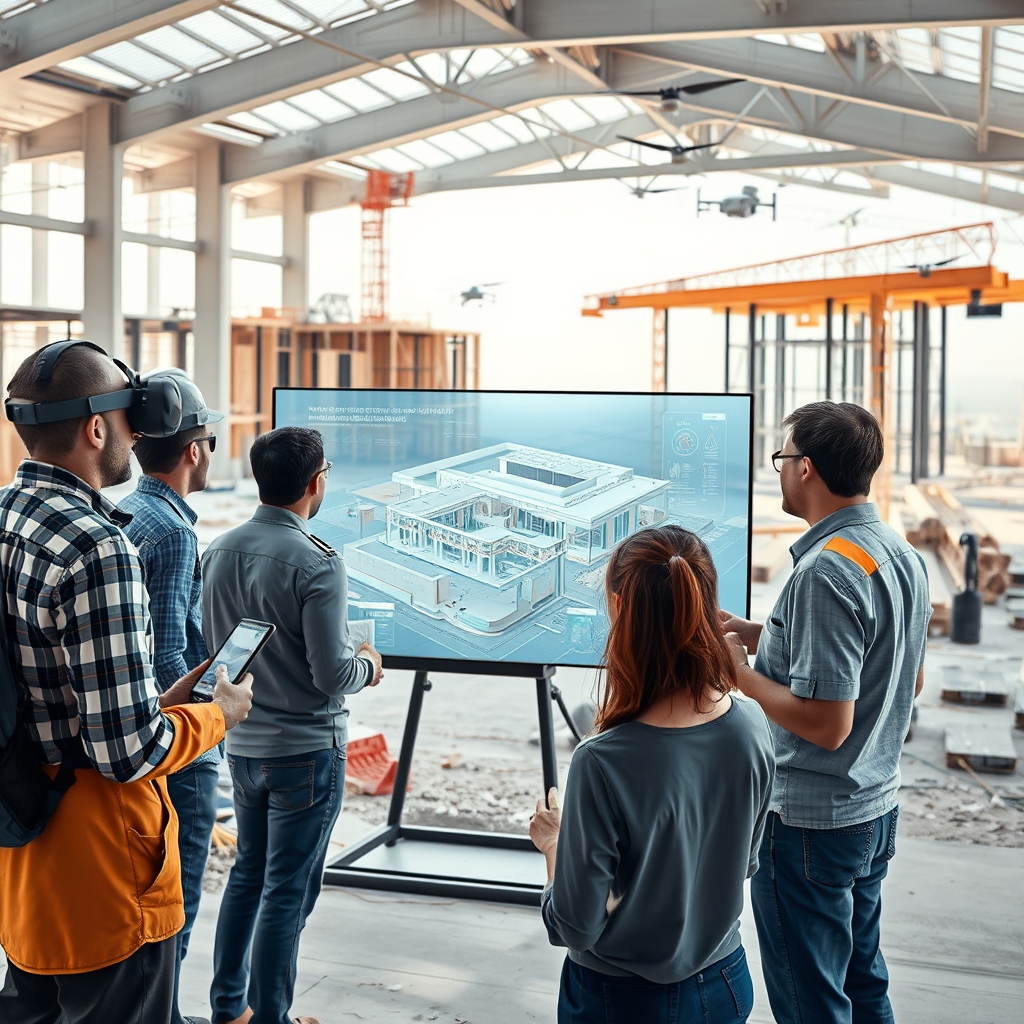
Digital twins—virtual replicas of physical construction sites—allow clients to explore their projects in real time, from the foundational layout to the finishing touches. Paired with collaborative building design platforms, these tools enable stakeholders to visualize changes, provide feedback, and even simulate different scenarios before any physical work begins. This level of engagement doesn’t just enhance satisfaction; it fosters a deeper connection between clients and their projects, turning passive observers into active participants.
Real-Time Transparency: The Backbone of Trust
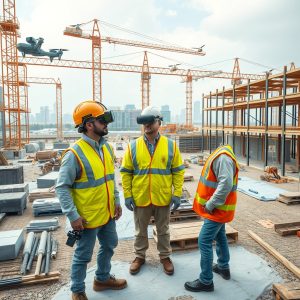
Trust is the cornerstone of any successful construction project, and real-time project transparency is the key to building it. In the past, clients relied on periodic reports and site visits to gauge progress, often leaving them vulnerable to surprises—both good and bad. Today, smart site monitoring and tech-integrated site supervision provide a continuous stream of data, from material deliveries to labor productivity, ensuring that clients are always in the loop.
Platforms equipped with IoT sensors, drones, and AI-driven analytics offer a 360-degree view of the construction site, allowing clients to track progress, identify potential delays, and even monitor environmental conditions like air quality or noise levels. This transparency isn’t just about accountability; it’s about creating a shared sense of ownership. When clients can see the impact of their decisions in real time—whether it’s choosing eco-friendly material selection or adjusting a design element—they become more invested in the project’s success.
The Role of Human-Centric Design in Client Participation
At its core, client participatory building is about more than just technology—it’s about empathy. Human-centric structural design prioritizes the needs, preferences, and well-being of the end-users, ensuring that every aspect of the project resonates with those who will live or work in the space. This approach goes beyond aesthetics; it considers factors like accessibility, comfort, and sustainability, creating environments that are not only functional but also deeply personal.
For example, a client building a family home might prioritize open floor plans for social interaction, while a corporate client might focus on flexible workspaces that adapt to hybrid work models. By integrating these preferences into the design process early on, architects and builders can create spaces that truly reflect the client’s lifestyle or brand identity. Tools like virtual reality (VR) walkthroughs and augmented reality (AR) overlays allow clients to experience their spaces before they’re built, making it easier to refine designs and avoid costly changes later in the process.
Lean Practices and Efficient Resource Allocation
Client participation doesn’t just enhance the design process—it also drives efficiency. Lean construction practices emphasize waste reduction, continuous improvement, and value creation, all of which benefit from real-time client feedback. When clients are actively involved, they can quickly identify what’s working and what isn’t, allowing teams to pivot before resources are wasted on unnecessary revisions or materials.
For instance, a client might realize during a VR walkthrough that a proposed window placement doesn’t maximize natural light, prompting a design adjustment before construction begins. Similarly, efficient resource allocation tools can help clients visualize the cost implications of their choices, whether it’s opting for modular building techniques to reduce waste or selecting sustainable materials that align with their environmental goals. This collaborative approach ensures that every decision is both intentional and impactful.
Overcoming Challenges in Client-Centric Construction
While the benefits of client participatory building are clear, implementing it isn’t without challenges. One of the biggest hurdles is balancing client input with project constraints, such as budgets, timelines, and regulatory requirements. Over-involvement can lead to scope creep or indecision, while under-involvement can result in dissatisfaction. The key lies in setting clear boundaries and expectations from the outset, ensuring that clients understand their role and the limits of their influence.
Another challenge is managing the sheer volume of data generated by digital twin site management and smart monitoring tools. Without proper organization, clients can become overwhelmed by information, leading to decision fatigue. To mitigate this, construction teams must curate data into digestible insights, highlighting what’s most relevant to the client’s goals. For example, rather than bombarding a client with raw sensor data, teams might provide a dashboard that tracks key performance indicators, such as energy efficiency or material usage, in real time.
The Future of Client Participatory Building
As technology continues to evolve, so too will the ways in which clients engage with construction projects. Automated building processes and AI-driven design assistants are already beginning to streamline decision-making, offering clients personalized recommendations based on their preferences and project constraints. Meanwhile, blockchain technology is poised to enhance transparency, providing an immutable record of every decision, change, and transaction throughout the project’s lifecycle.
Perhaps most exciting is the potential for adaptive construction solutions that evolve alongside the client’s needs. Imagine a home that grows with a family, or an office space that reconfigures itself based on occupancy patterns. By integrating modular techniques and smart building technology, construction projects can become living, breathing entities that adapt to the people who use them.
The construction industry is no longer just about bricks and mortar—it’s about building relationships, trust, and spaces that truly reflect the people who inhabit them. By embracing client participatory building, the industry isn’t just meeting expectations; it’s exceeding them, one transparent, human-centric project at a time. The future of construction isn’t just about what we build; it’s about how we build it—together.