The Shifting Foundations of Ambition: How Artificial Archipelagos Are Redefining the Ethics of Coastal Sovereignty
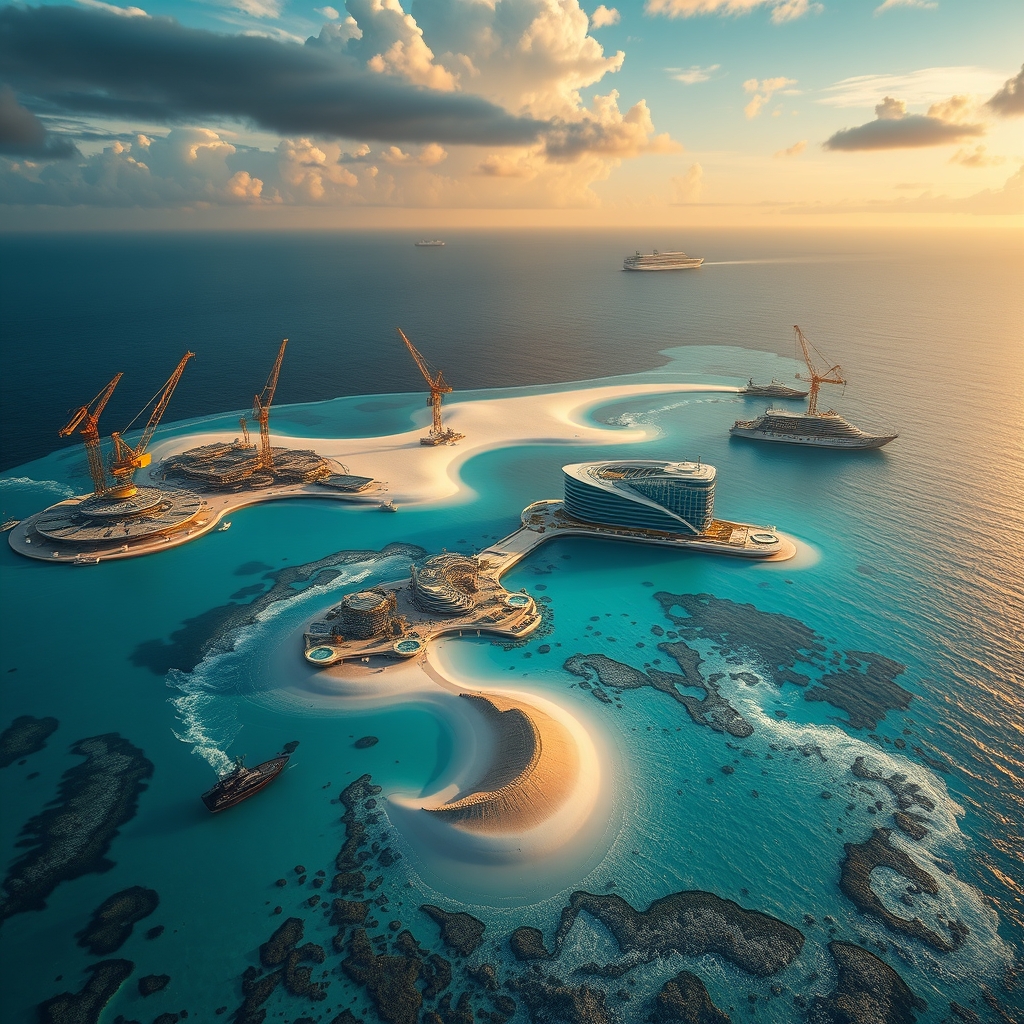
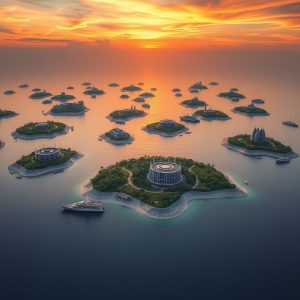
The ocean has long been a canvas for human ambition, a vast expanse where the limits of engineering and imagination collide. Nowhere is this more evident than in the rise of artificial archipelagos—man-made island chains that promise to redefine urban expansion, luxury living, and even geopolitical power. Yet, beneath the glossy renderings of futuristic waterfront cities and eco-friendly resorts lies a far more complex reality: one where the ethics of coastal sovereignty are being rewritten, often at the expense of ecological stability and long-term resilience.
The Illusion of Infinite Space
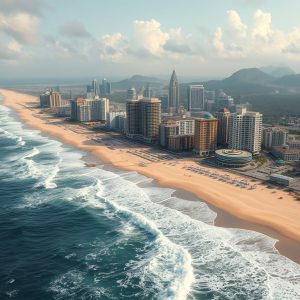
Artificial archipelagos are sold as a solution to land scarcity, a way to expand urban footprints without encroaching on existing terrestrial ecosystems. Projects like Dubai’s Palm Islands, China’s Forest City, and Malaysia’s Forest City Johor have framed these developments as triumphs of human ingenuity—proof that the ocean’s vastness can be tamed. But the reality is far less straightforward. These projects rely on the extraction of vast quantities of sand, a finite resource that is already being depleted at an alarming rate. The environmental cost of dredging—disruption of marine habitats, altered sediment flows, and increased coastal erosion—is often downplayed in favor of short-term economic gains.
The illusion of infinite space is further complicated by the legal ambiguities surrounding submerged land rights. Who owns the seabed? How do nations assert sovereignty over artificial landmasses that may shift or erode over time? The United Nations Convention on the Law of the Sea (UNCLOS) provides a framework, but enforcement is inconsistent, and disputes over maritime boundaries are becoming increasingly common. As artificial archipelagos proliferate, they are not just reshaping coastlines—they are redrawing the geopolitical map in ways that could have lasting consequences.
The Fragility of Engineered Resilience
Coastal resilience is often cited as a key benefit of artificial archipelagos, with proponents arguing that these developments can be designed to withstand rising sea levels and extreme weather events. Yet, the very act of reclaiming land from the sea creates a paradox: while these projects may appear to offer a buffer against climate change, they often exacerbate the vulnerabilities they claim to mitigate. The deep-sea foundations required to support these structures are a testament to human engineering prowess, but they are also a gamble against nature’s unpredictability.
Take, for example, the Maldives’ Hulhumalé project, a man-made island designed to provide a climate refuge for the nation’s population. While the project has been hailed as a model of sustainable land reclamation, critics argue that it is merely delaying the inevitable. The island’s elevation—just two meters above sea level—offers little protection against the long-term threats of sea-level rise. Moreover, the disruption of natural sediment flows has led to increased erosion on neighboring islands, undermining the very resilience the project was meant to enhance.
The Ethical Dilemma of Luxury and Exclusion
Artificial archipelagos are often marketed as exclusive havens for the wealthy, with luxury resorts and high-end real estate dominating their landscapes. This raises uncomfortable questions about equity and access. Who benefits from these developments, and who bears the environmental and social costs? The blue economy—a concept that frames the ocean as a source of sustainable economic growth—is increasingly being co-opted by private interests, with little regard for the communities that depend on marine resources for their livelihoods.
In the Maldives, for instance, the construction of luxury resorts on artificial islands has displaced local fishing communities, disrupted traditional livelihoods, and concentrated wealth in the hands of a few. Similarly, in Dubai, the Palm Islands have become symbols of opulence, but their environmental footprint—from the destruction of coral reefs to the disruption of marine ecosystems—has been borne by the broader public. The ethical tightrope of artificial archipelagos is clear: they offer a vision of the future, but one that is increasingly exclusionary and unsustainable.
The Unseen Costs of Deep-Sea Foundations
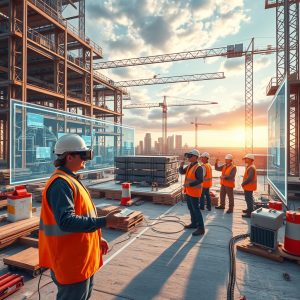
The engineering feats required to build artificial archipelagos are nothing short of extraordinary. Deep-sea foundations, often anchored to the seabed at depths of 30 meters or more, are designed to withstand the forces of wind, waves, and tides. Yet, the long-term impacts of these structures on marine ecosystems are still poorly understood. The installation of pilings and breakwaters can disrupt sediment flows, alter water currents, and create dead zones where marine life cannot survive.
Moreover, the materials used in these projects—concrete, steel, and synthetic fill—are often sourced from environmentally destructive industries. The carbon footprint of artificial archipelagos is staggering, with some estimates suggesting that the construction of a single man-made island can emit as much CO2 as a small country. As the world grapples with the climate crisis, the environmental costs of these developments are becoming impossible to ignore.
The Future of Maritime Urbanism
The rise of artificial archipelagos is a testament to humanity’s relentless drive to conquer nature, but it also serves as a cautionary tale. These projects are not just about expanding urban footprints—they are about redefining the relationship between land and sea, between human ambition and ecological reality. The challenge moving forward is to ensure that this redefinition is guided by principles of sustainability, equity, and resilience, rather than short-term economic gain.
Smart marine cities—those that integrate cutting-edge technology with ecological sensitivity—offer a glimmer of hope. Projects like Singapore’s Marina Bay Sands and the Netherlands’ Maasvlakte 2 demonstrate that it is possible to reclaim land without sacrificing environmental integrity. But these examples remain the exception rather than the rule. For artificial archipelagos to truly redefine coastal sovereignty, they must move beyond the illusion of infinite space and confront the hard realities of finite resources, shifting legal frameworks, and the ever-present force of nature. The ocean may be vast, but its capacity to absorb human ambition is not.
The question is no longer whether we can build these islands, but whether we should—and if so, at what cost. The answers will shape not just the future of maritime urbanism, but the very survival of coastal communities in an era of rising tides and uncertain shores. The foundations we lay today will determine whether these artificial archipelagos stand as monuments to human ingenuity or as warnings of our hubris.