The Evolution of Construction: How Modular Techniques and Human-Centric Design Are Crafting Adaptive, Future-Ready Spaces
The construction industry is undergoing a profound transformation, driven by the urgent need for sustainability, efficiency, and adaptability. At the heart of this evolution lies a powerful synergy between modular building techniques and human-centric design—a combination that is redefining how we conceive, construct, and inhabit spaces. This shift is not merely about adopting new technologies or materials; it’s about reimagining the entire construction process to align with the needs of people and the planet.
The Rise of Modular Construction: Efficiency Meets Sustainability
Modular construction has emerged as a game-changer in the quest for sustainable building methods. By prefabricating components in controlled factory environments, this approach minimizes waste, reduces construction time, and enhances quality control. Unlike traditional on-site construction, where materials are often exposed to the elements and subject to delays, modular techniques allow for precision engineering and efficient resource allocation. The result? Structures that are not only built faster but also with a significantly lower environmental footprint.
One of the most compelling advantages of modular construction is its ability to adapt to changing needs. Buildings can be designed for disassembly, allowing components to be reused or repurposed rather than discarded. This circular approach aligns perfectly with the principles of sustainable construction, where longevity and flexibility are prioritized over short-term solutions. Moreover, modular techniques enable architects and engineers to experiment with innovative designs that would be difficult or impossible to achieve with conventional methods.
Human-Centric Design: Putting People at the Core
While modular construction addresses the technical and environmental aspects of building, human-centric design ensures that the end result resonates with the people who use these spaces. This philosophy goes beyond aesthetics; it’s about creating environments that enhance well-being, foster collaboration, and adapt to the evolving needs of occupants. Human-centric design considers factors such as natural light, air quality, acoustics, and ergonomics, all of which contribute to healthier, more productive spaces.
Incorporating human-centric principles into modular construction requires a shift in mindset. It’s no longer enough to focus solely on efficiency and cost-effectiveness; the emotional and psychological impact of a space must also be considered. For example, modular office buildings can be designed with flexible layouts that encourage interaction and creativity, while residential projects can prioritize privacy and comfort. By integrating these considerations into the design process, construction professionals can create spaces that are not only functional but also deeply meaningful to their users.
Tech Integration: Bridging the Gap Between Modular and Human-Centric Design
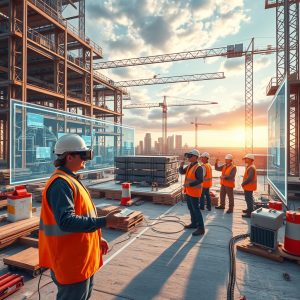
The fusion of modular techniques and human-centric design is further enhanced by the integration of advanced technologies. Digital twin site management, for instance, allows construction teams to simulate and optimize every aspect of a project before breaking ground. This real-time transparency enables stakeholders to identify potential issues, test different design scenarios, and ensure that the final product aligns with both technical and human-centric goals.
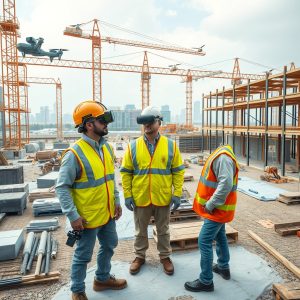
Smart site monitoring is another critical tool in this evolution. By leveraging IoT sensors and data analytics, construction teams can track everything from material usage to worker safety in real time. This not only improves efficiency but also ensures that projects remain on track and within budget. Additionally, technologies like augmented reality (AR) and virtual reality (VR) are being used to create immersive construction planning experiences, allowing clients and designers to visualize spaces before they are built. This level of engagement fosters collaboration and ensures that the final design meets the needs of all stakeholders.
Eco-Friendly Material Selection: The Foundation of Sustainable Spaces
No discussion of modern construction would be complete without addressing the role of materials. Eco-friendly material selection is a cornerstone of both modular and human-centric design. By opting for sustainable, non-toxic, and locally sourced materials, construction professionals can reduce the environmental impact of their projects while also enhancing indoor air quality and occupant health. Materials like cross-laminated timber (CLT), recycled steel, and low-VOC (volatile organic compound) finishes are becoming increasingly popular as the industry moves toward greener practices.
Modular construction lends itself particularly well to eco-friendly material selection. Because components are prefabricated in a controlled environment, there is less waste and greater precision in material usage. This not only reduces costs but also ensures that the materials chosen are of the highest quality and sustainability. Furthermore, the ability to disassemble and reuse modular components aligns with the principles of a circular economy, where resources are kept in use for as long as possible.
The Future of Construction: Adaptive, Resilient, and Human-Centered
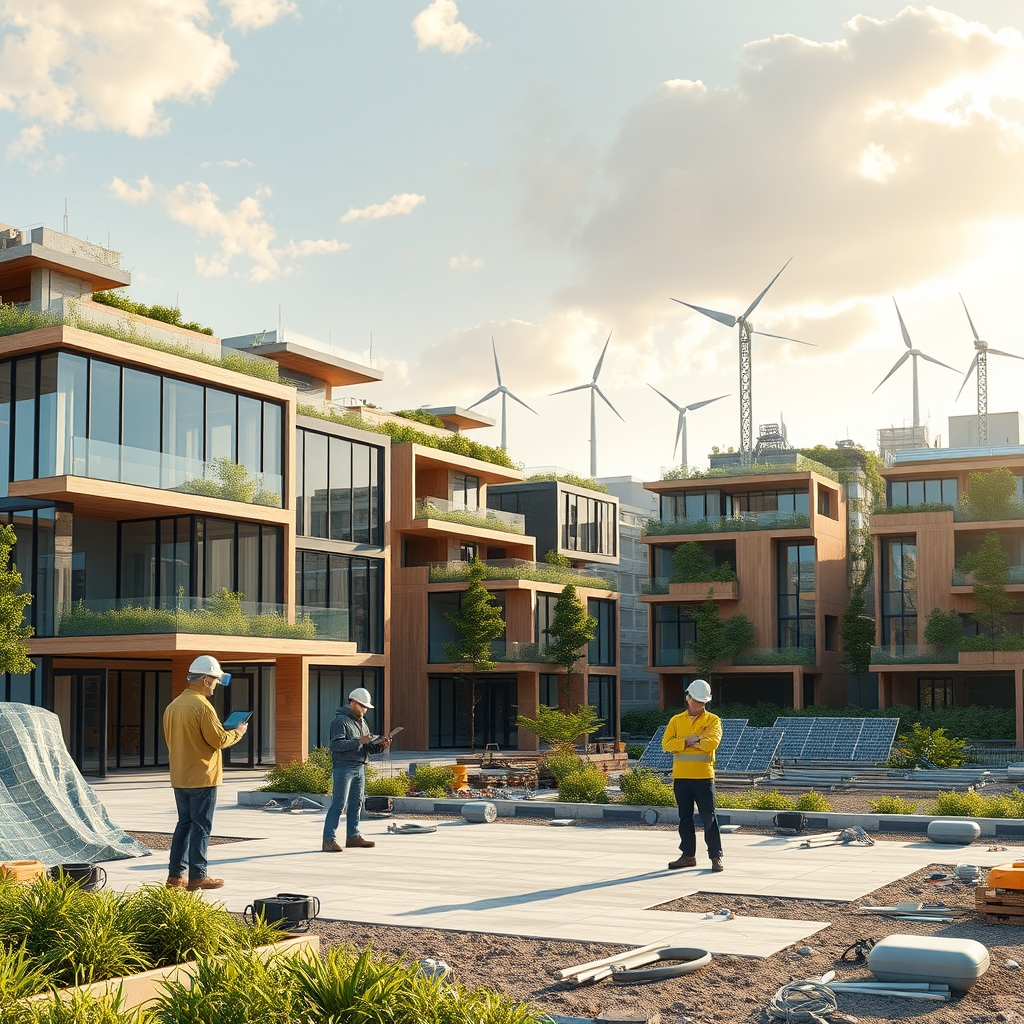
The construction industry is at a crossroads, with traditional methods giving way to innovative approaches that prioritize sustainability, efficiency, and human well-being. Modular construction and human-centric design are not just trends; they represent a fundamental shift in how we think about building. By embracing these methodologies, construction professionals can create spaces that are not only environmentally responsible but also deeply connected to the needs of the people who inhabit them.
As technology continues to advance, the possibilities for adaptive construction solutions will only expand. From digital twins to smart monitoring, the tools at our disposal are making it easier than ever to design and build with precision, transparency, and collaboration. Yet, amidst all this innovation, the human element remains paramount. After all, the ultimate goal of construction is not just to create structures but to craft spaces that enrich lives, foster community, and stand the test of time. The future of construction lies in striking the perfect balance between cutting-edge technology and timeless human values, ensuring that every project is a testament to both progress and purpose.