The Rising Tide of Ambition: How Man-Made Islands Are Forcing a Reckoning with Nature’s Limits
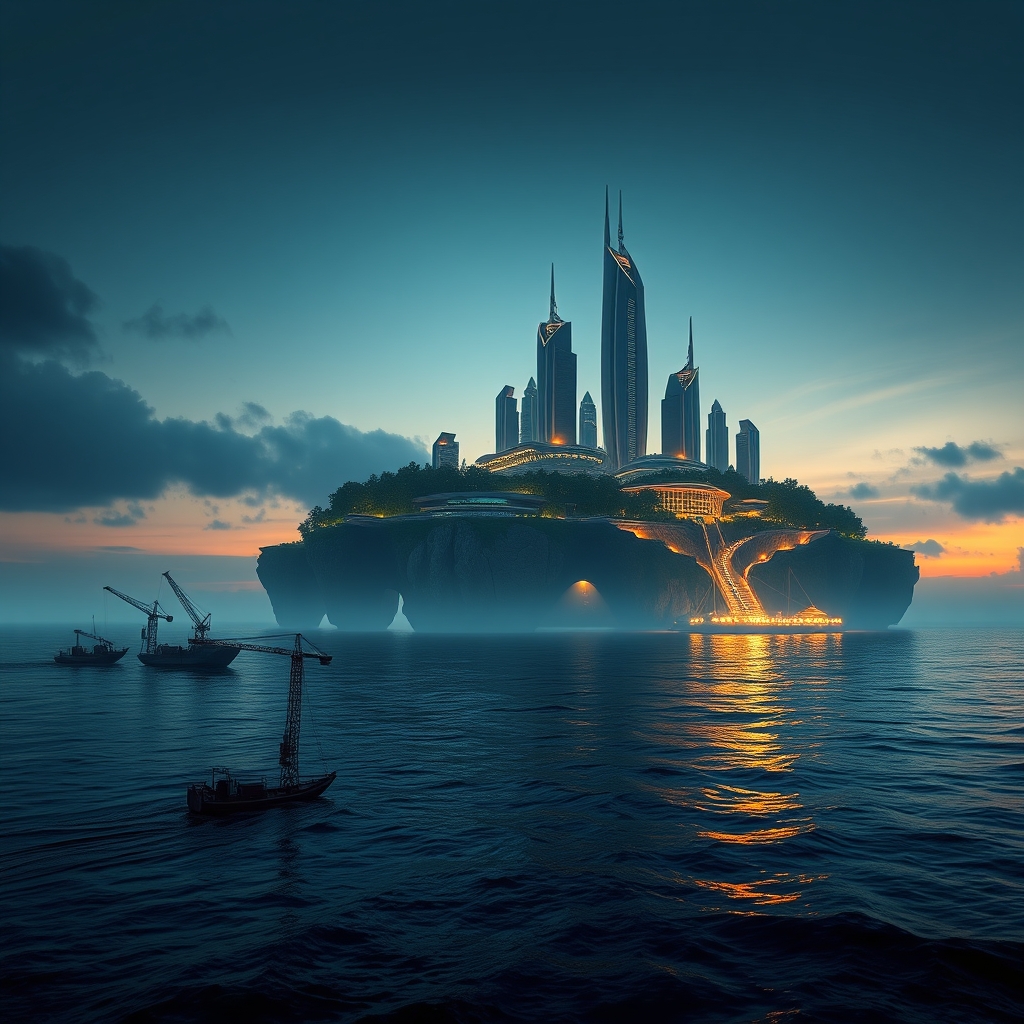
The ocean has long been a canvas for human ambition, a vast expanse where the boundaries of possibility are stretched thin by the relentless pursuit of progress. Yet, as the demand for space collides with the realities of climate change, the construction of man-made islands has emerged as both a testament to ingenuity and a flashpoint for ecological and ethical dilemmas. These synthetic landmasses, once hailed as the ultimate solution to urban sprawl and coastal congestion, are now revealing the fragility of their foundations—both literal and metaphorical.
The Illusion of Control
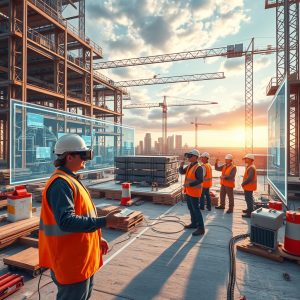
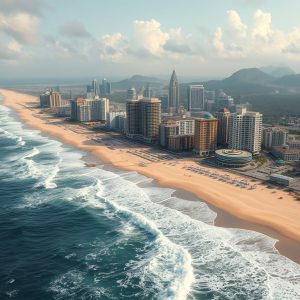
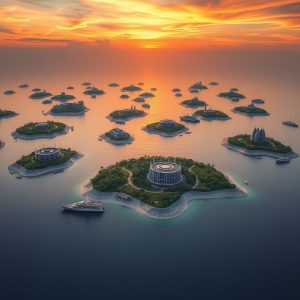
At first glance, artificial archipelagos appear to be a masterstroke of modern engineering. Projects like Dubai’s Palm Islands or China’s Forest City promise not just land, but entire ecosystems of luxury, commerce, and habitation, seemingly untethered from the constraints of geography. Yet, the reality is far more precarious. These islands are not born of natural processes but of brute-force intervention, where dredged sand and concrete are piled onto the seabed in a high-stakes gamble against erosion, subsidence, and rising sea levels. The illusion of permanence they project is just that—an illusion, one that crumbles under the weight of nature’s relentless forces.
Coastal resilience, once an afterthought, has become the defining challenge of these projects. The very act of reclaiming land alters tidal patterns, disrupts marine habitats, and accelerates erosion elsewhere. In the Maldives, where entire islands are being raised to combat sea-level rise, the irony is inescapable: the solution to one environmental crisis is exacerbating another. The question is no longer whether these islands can be built, but whether they should be—and at what cost.
The Blue Economy’s Faustian Bargain
The allure of man-made islands is not merely aesthetic or functional; it is deeply economic. The blue economy, a term that encompasses all marine-based industries, thrives on the promise of untapped potential. Floating real estate, luxury resorts, and maritime urban planning are sold as sustainable innovations, yet they often serve as Trojan horses for exploitation. The narrative of eco-friendly reclamation is frequently co-opted by developers who prioritize profit over preservation, masking environmental degradation with greenwashing rhetoric.
Consider the case of Eko Atlantic in Nigeria, a city-sized island designed to shield Lagos from coastal erosion. While it touts itself as a model of climate adaptation, critics argue it is little more than a fortress for the wealthy, displacing local communities and disrupting natural sediment flows. The blue economy’s growth is thus a double-edged sword: it creates opportunities but also deepens inequalities, turning the ocean into a battleground between progress and equity.
The Legal and Ethical Quagmire
Beyond the environmental and economic concerns lies a labyrinth of legal and ethical dilemmas. Submerged land rights, for instance, are a contentious issue, with nations and corporations vying for control over underwater territories. The United Nations Convention on the Law of the Sea (UNCLOS) provides a framework, but enforcement is uneven, and disputes are common. Who owns the seabed? Who is responsible when reclamation projects fail? These questions remain largely unanswered, leaving a vacuum where accountability should be.
Ethically, the construction of man-made islands forces a reckoning with humanity’s relationship to nature. Are these projects a necessary adaptation to climate change, or a hubristic attempt to dominate the natural world? The answer is not binary, but the consequences of getting it wrong are dire. Deep-sea foundations, for example, may offer stability, but they also disrupt fragile ecosystems that have evolved over millennia. The line between innovation and exploitation is thin, and crossing it could have irreversible consequences.
The Future of Floating Real Estate
As sea levels rise and coastal cities face existential threats, the appeal of man-made islands is unlikely to wane. Yet, the next generation of these projects must confront the failures of the past. Smart marine cities, which integrate technology and sustainability, offer a glimmer of hope. Amsterdam’s floating neighborhoods and Singapore’s Marina Bay Sands demonstrate that urban expansion can coexist with ecological sensitivity—if the will exists.
However, the challenge extends beyond engineering. It requires a fundamental shift in how we perceive the ocean: not as a resource to be exploited, but as a partner in survival. The blue economy must evolve from a model of extraction to one of regeneration, where reclamation projects prioritize ecological restoration over short-term gains. This is not merely an environmental imperative but an economic one, as the costs of inaction—both financial and human—continue to mount.
The Unseen Costs of Paradise
Luxury island resorts, often the public face of man-made islands, epitomize the contradictions of this industry. They sell paradise but deliver environmental degradation; they promise exclusivity but rely on the exploitation of local labor and resources. The carbon footprint of these developments is staggering, from the energy required to maintain artificial landscapes to the emissions generated by construction. Yet, they remain symbols of aspiration, marketed as havens of sustainability while perpetuating the very problems they claim to solve.
The narrative of progress is seductive, but it is also dangerous. It assumes that technology and ambition can outpace the consequences of our actions, that nature will bend to our will. The truth is far more humbling: the ocean does not care for our blueprints. It responds to our interventions with indifference or fury, and the bill for our hubris is already coming due. The rising tide of ambition is not just a metaphor—it is a warning, one that demands we rethink our relationship with the sea before it is too late.
Man-made islands are not the future; they are a reflection of our present—a present where the desire for expansion often eclipses the need for responsibility. The real challenge is not building more land, but ensuring that what we build does not come at the expense of the very systems that sustain us. The ocean has given us everything; it is time we gave something back.