Beyond the Blueprint: How Immersive Construction Planning and Digital Twins Are Redefining Human-Centric Building Design
The construction industry is undergoing a profound transformation, shifting from traditional, linear processes to dynamic, technology-driven methodologies that prioritize collaboration, precision, and sustainability. At the heart of this evolution lies immersive construction planning and digital twin site management, two innovations that are redefining how projects are conceived, executed, and experienced. These advancements are not merely tools but catalysts for a more human-centric structural design approach, where efficiency, transparency, and adaptability converge to create buildings that serve both people and the planet.
The Power of Immersive Construction Planning
Immersive construction planning leverages virtual reality (VR), augmented reality (AR), and mixed reality (MR) to create interactive, three-dimensional environments where stakeholders can visualize, simulate, and refine designs before breaking ground. Unlike static blueprints or 2D renderings, these immersive experiences allow architects, engineers, contractors, and even clients to walk through a virtual representation of the project, identifying potential challenges and optimizing layouts in real time.
For example, VR-enabled design reviews enable teams to assess spatial relationships, ergonomics, and aesthetic details with unprecedented clarity. A contractor can virtually stand inside a yet-to-be-built hospital wing to evaluate the placement of medical equipment, while an architect can adjust lighting and material finishes to enhance occupant well-being. This level of client participatory building fosters deeper engagement, reducing misunderstandings and costly revisions later in the process. Moreover, immersive planning aligns with lean construction practices, minimizing waste by addressing design flaws early and streamlining workflows.
Digital Twins: The Living Blueprint of Construction
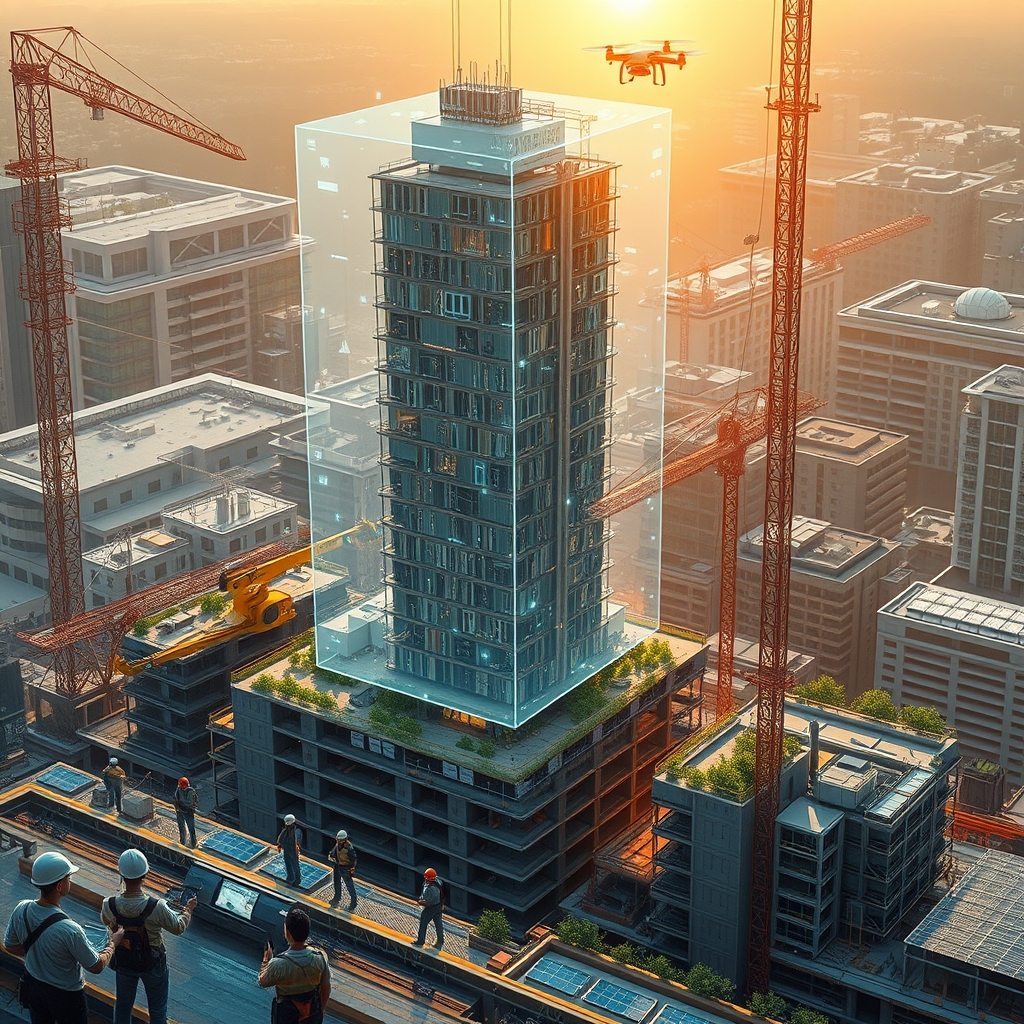
While immersive planning revolutionizes the design phase, digital twin site management brings intelligence to the construction site itself. A digital twin is a real-time, data-driven replica of a physical project, continuously updated with information from sensors, drones, IoT devices, and on-site personnel. This dynamic model provides a holistic view of the project, enabling smart site monitoring and real-time project transparency.
Imagine a high-rise construction site where every crane movement, material delivery, and worker location is tracked and visualized in a digital twin. Project managers can monitor progress against timelines, identify bottlenecks, and allocate resources with precision. If a delay occurs—such as a supply chain disruption or adverse weather—the digital twin can simulate alternative scenarios, allowing teams to adapt quickly. This adaptive construction solution not only improves efficiency but also enhances safety by predicting and mitigating risks before they escalate.
Digital twins also bridge the gap between design and execution. By integrating Building Information Modeling (BIM) with real-time site data, teams can ensure that the physical construction aligns perfectly with the digital plan. This synergy reduces errors, rework, and material waste, aligning with eco-friendly material selection and efficient resource allocation goals. Furthermore, digital twins facilitate collaborative building design, as all stakeholders—from subcontractors to clients—can access the same up-to-date information, fostering accountability and trust.
Human-Centric Design in the Digital Age
The fusion of immersive planning and digital twins is not just about technology; it’s about putting people at the center of the construction process. Human-centric structural design prioritizes the needs, comfort, and well-being of end-users, whether they are residents, employees, or visitors. By simulating how people will interact with a space, designers can optimize layouts for accessibility, natural light, ventilation, and acoustic comfort. For instance, VR walkthroughs can help identify areas where noise pollution might disrupt productivity in an office building or where wayfinding could be improved in a complex healthcare facility.
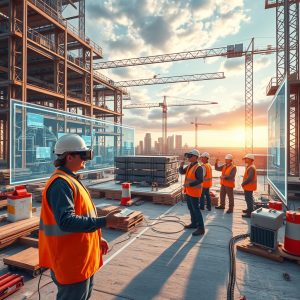
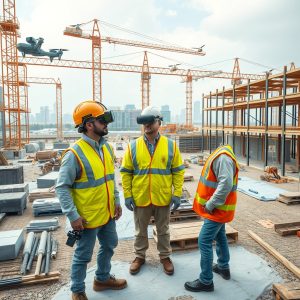
This approach also extends to the construction workforce. Tech-integrated site supervision empowers workers with tools like AR-enabled helmets that overlay digital instructions onto physical tasks, reducing errors and improving training. Wearable sensors can monitor fatigue and environmental conditions, ensuring worker safety and well-being. By valuing the human element, the industry can attract and retain talent while delivering higher-quality outcomes.
Sustainability as a Core Principle
Immersive planning and digital twins are inherently aligned with sustainable building practices. By enabling precision engineering methods and modular building techniques, these technologies reduce material waste and energy consumption. For example, digital twins can optimize the use of prefabricated components, ensuring they are manufactured to exact specifications and assembled with minimal on-site adjustments. This not only accelerates construction but also lowers the carbon footprint of the project.
Additionally, real-time monitoring of energy use, water consumption, and indoor air quality allows building operators to fine-tune performance post-construction, ensuring long-term sustainability. When combined with eco-friendly material selection, such as low-carbon concrete or recycled steel, these methods contribute to the creation of zero-carbon buildings that meet the demands of a climate-conscious future.
The Future of Construction: A Collaborative Ecosystem
The construction industry is no longer a siloed endeavor but a collaborative ecosystem where technology, sustainability, and human-centric design intersect. Immersive planning and digital twins are breaking down barriers between disciplines, enabling seamless communication and shared decision-making. This experiential construction workflow ensures that every stakeholder—from the architect to the end-user—has a voice in the process, resulting in buildings that are not only functional but also meaningful.
As these technologies continue to evolve, they will unlock even greater possibilities, such as AI-driven predictive analytics for maintenance, automated quality control using robotics, and fully autonomous construction sites. Yet, the true measure of success will not be the sophistication of the tools but their ability to create spaces that enhance lives, protect the environment, and stand the test of time. The future of construction is not just about building smarter; it’s about building with purpose, where every decision is guided by a commitment to people, planet, and progress.