The Human Element in Tech-Driven Construction: How Collaborative Design and Smart Monitoring Are Crafting Sustainable Futures
In an era where technology often takes center stage, the construction industry is experiencing a quiet revolution—one that places human insight at the heart of innovation. While digital twins, lean practices, and smart site monitoring are transforming how we build, the true magic lies in their ability to amplify human collaboration rather than replace it. The most successful projects today are those where technology serves as a bridge, connecting architects, engineers, contractors, and clients in a shared vision of sustainability and efficiency.
The Power of Collaborative Building Design
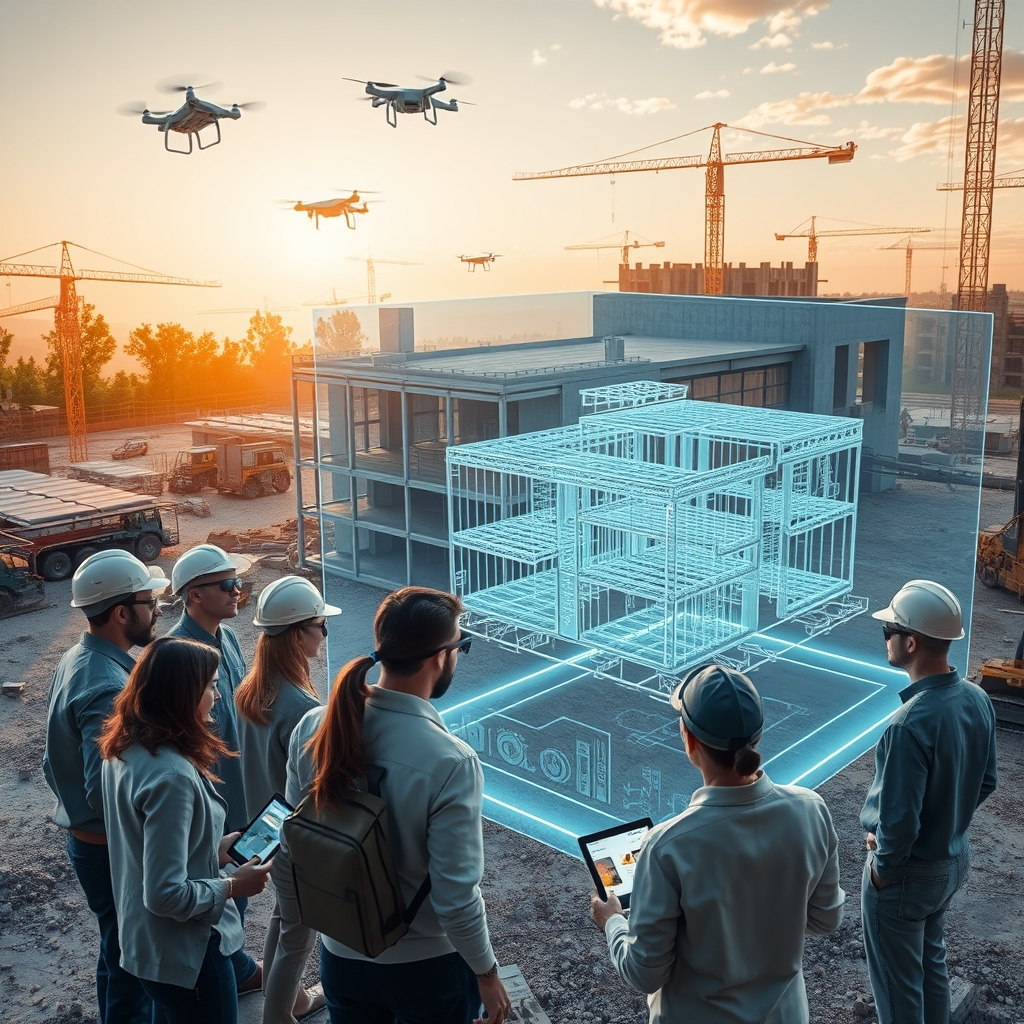
Gone are the days when construction was a linear process, with each stakeholder working in isolation. Modern projects thrive on collaborative building design, where real-time feedback loops and immersive planning tools break down silos. Platforms like Building Information Modeling (BIM) and cloud-based collaboration software allow teams to visualize designs in 3D, identify potential clashes before they occur, and refine structures with input from all parties. This approach doesn’t just streamline workflows—it fosters a culture of shared ownership, where every voice, from the site laborer to the lead architect, contributes to the final outcome.
For example, a recent high-rise project in Singapore leveraged BIM to integrate input from structural engineers, sustainability consultants, and even future occupants. The result? A building that not only met energy-efficiency targets but also incorporated community spaces that residents genuinely wanted to use. This level of collaboration ensures that projects are not just technically sound but also deeply human-centric, addressing both functional and emotional needs.
Smart Site Monitoring: The Eyes and Ears of Modern Construction
While collaboration happens in the design phase, smart site monitoring ensures that plans translate seamlessly into reality. IoT sensors, drones, and AI-powered analytics provide real-time data on everything from material usage to worker safety, enabling teams to make informed decisions on the fly. For instance, sensors embedded in concrete can monitor curing times, alerting supervisors if conditions deviate from optimal parameters. Drones, meanwhile, offer aerial inspections that identify potential hazards or inefficiencies, reducing downtime and rework.
But the real value of smart monitoring lies in its ability to democratize information. When data is accessible to all stakeholders—from project managers to subcontractors—it eliminates guesswork and fosters accountability. A study by McKinsey found that projects using real-time monitoring tools saw a 20% reduction in delays and a 15% decrease in costs. These aren’t just numbers; they represent fewer wasted resources, less environmental impact, and more projects completed on time and within budget.
Lean Practices: Doing More with Less
At its core, lean construction is about eliminating waste—whether that’s time, materials, or energy. But unlike traditional efficiency models, lean practices prioritize flexibility and adaptability. Techniques like Just-in-Time delivery ensure that materials arrive exactly when needed, reducing storage costs and minimizing the risk of damage or theft. Meanwhile, pull planning shifts the focus from rigid schedules to workflows that adapt to real-world conditions, allowing teams to pivot quickly when challenges arise.
One standout example is the construction of a modular hospital in Denmark, where lean principles cut project time by 30%. By prefabricating components off-site and using digital twins to simulate assembly sequences, the team avoided the delays and cost overruns that plague traditional builds. The result was a facility that not only met urgent healthcare needs but also achieved a 40% reduction in carbon emissions compared to conventional construction methods.
Eco-Friendly Material Selection: Building with the Future in Mind
No discussion of sustainable construction would be complete without addressing eco-friendly material selection. From cross-laminated timber to recycled steel, the choices we make today will shape the environmental footprint of our buildings for decades. But selecting the right materials isn’t just about ticking boxes for green certifications—it’s about understanding their lifecycle impact. For instance, while bamboo is often lauded for its rapid renewability, its durability and maintenance requirements must be weighed against alternatives like reclaimed wood or engineered composites.
Innovations in material science are also opening new possibilities. Self-healing concrete, which uses bacteria to repair cracks, extends the lifespan of structures while reducing the need for resource-intensive repairs. Similarly, phase-change materials embedded in walls can regulate indoor temperatures, slashing energy consumption. These advancements aren’t just technical feats—they’re a testament to how human creativity can solve some of the industry’s most pressing challenges.
Client Participatory Building: A New Era of Engagement
Perhaps the most exciting shift in modern construction is the rise of client participatory building. No longer passive observers, clients are now active participants in the design and construction process. Virtual reality walkthroughs allow them to experience spaces before they’re built, while real-time dashboards provide transparency into costs, timelines, and sustainability metrics. This level of engagement doesn’t just build trust—it leads to better outcomes. When clients understand the trade-offs between, say, upfront costs and long-term energy savings, they’re more likely to invest in solutions that align with their values.
A residential project in Amsterdam took this approach to heart, involving future homeowners in every stage of the build. Through workshops and digital tools, they customized layouts, selected materials, and even contributed to the design of shared green spaces. The result was a community that felt a deep sense of ownership, with residents reporting higher satisfaction and lower turnover rates than comparable developments.
As we look to the future, the most successful construction projects will be those that seamlessly blend technology with human-centric values. Whether it’s through collaborative design, smart monitoring, or client engagement, the goal remains the same: to build not just structures, but spaces that enrich lives and safeguard the planet. The tools we use may evolve, but the principles of sustainability, efficiency, and empathy will always be the foundation of great construction.