The Art of Balance: How Experiential Construction Workflows and Eco-Friendly Materials Are Crafting Resilient, Human-Centric Spaces
In an era where the construction industry stands at the crossroads of innovation and responsibility, the fusion of experiential construction workflows and eco-friendly material selection is emerging as a beacon of progress. This synergy is not merely about building structures; it’s about crafting resilient, human-centric spaces that harmonize with the environment while elevating the quality of life for their occupants. The journey toward this balance is paved with intentional design, cutting-edge technology, and a deep commitment to sustainability.
The Evolution of Experiential Construction Workflows
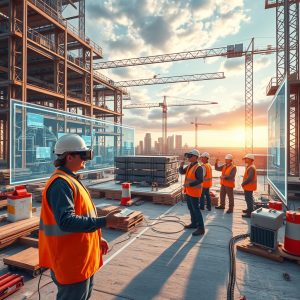
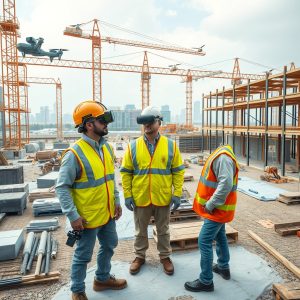
Experiential construction workflows represent a paradigm shift from traditional, linear project execution to dynamic, iterative processes that prioritize human experience at every stage. These workflows leverage immersive technologies like virtual reality (VR), augmented reality (AR), and digital twins to create a collaborative ecosystem where architects, engineers, contractors, and clients can engage with a project long before the first brick is laid. By simulating construction scenarios in a virtual environment, teams can identify potential challenges, optimize resource allocation, and refine designs in real time, reducing waste and enhancing efficiency.
The power of experiential workflows lies in their ability to democratize the construction process. Clients and end-users are no longer passive observers but active participants, providing feedback that shapes the final outcome. This level of engagement fosters a sense of ownership and ensures that the built environment aligns with the needs and aspirations of those who inhabit it. Moreover, by integrating lean construction practices, these workflows minimize redundancies, streamline communication, and create a culture of continuous improvement.
The Role of Eco-Friendly Material Selection
While experiential workflows lay the foundation for human-centric design, the choice of materials determines a project’s environmental footprint. Eco-friendly material selection is no longer a niche consideration but a cornerstone of sustainable construction. From reclaimed wood and recycled steel to bio-based composites and low-carbon concrete, the palette of sustainable materials is expanding, offering architects and builders unprecedented opportunities to reduce embodied carbon without compromising on performance or aesthetics.
One of the most compelling advancements in this space is the rise of circular economy principles in material sourcing. By prioritizing materials that are renewable, recyclable, or biodegradable, construction projects can significantly reduce their impact on landfills and natural resources. For instance, cross-laminated timber (CLT) is gaining traction as a sustainable alternative to traditional steel and concrete, offering comparable strength while sequestering carbon. Similarly, innovations in mycelium-based materials and hempcrete are pushing the boundaries of what’s possible, proving that sustainability and durability are not mutually exclusive.
Precision Engineering: The Bridge Between Design and Sustainability
At the heart of this transformation is precision engineering, a discipline that ensures every component of a building is designed, fabricated, and assembled with meticulous accuracy. Precision engineering methods, such as computer-aided manufacturing (CAM) and robotic assembly, enable the creation of complex, high-performance structures with minimal waste. When combined with modular building techniques, these methods allow for off-site fabrication of building components, reducing construction time, labor costs, and on-site disruptions.
The integration of precision engineering with eco-friendly materials creates a virtuous cycle. For example, prefabricated modules made from sustainable materials can be assembled with millimeter precision, ensuring airtight seals and optimal thermal performance. This not only enhances the building’s energy efficiency but also extends its lifespan, reducing the need for future renovations or demolitions. The result is a built environment that is both resilient and adaptable, capable of evolving with the needs of its occupants and the planet.
Smart Site Monitoring: The Eyes and Ears of Sustainable Construction
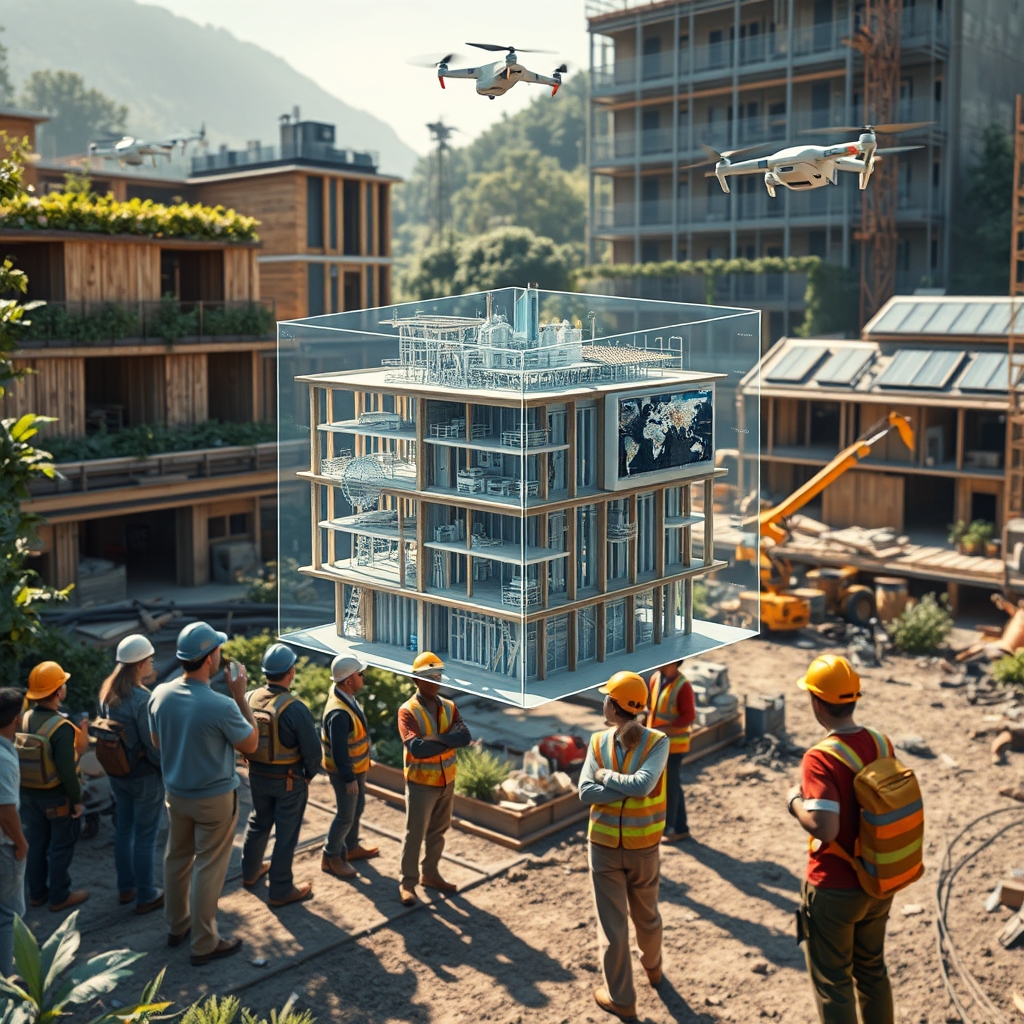
No discussion of modern construction would be complete without addressing the role of smart site monitoring. IoT-enabled sensors, drones, and AI-driven analytics are transforming construction sites into data-rich environments where every aspect of a project can be tracked, analyzed, and optimized in real time. These technologies provide unprecedented visibility into resource usage, worker safety, and environmental impact, enabling teams to make informed decisions that align with sustainability goals.
For instance, smart sensors can monitor energy consumption, water usage, and indoor air quality during construction, alerting teams to inefficiencies or potential hazards. Drones equipped with thermal imaging can assess the integrity of insulation or detect heat loss in a building’s envelope, ensuring that energy-efficient designs are executed flawlessly. Meanwhile, AI-powered platforms can analyze historical data to predict project delays or cost overruns, allowing teams to proactively adjust their strategies.
Human-Centric Structural Design: Where Empathy Meets Innovation
The true measure of a building’s success lies not in its aesthetics or technological sophistication but in its ability to enhance the lives of those who interact with it. Human-centric structural design places people at the center of the creative process, prioritizing factors such as accessibility, comfort, and well-being. This approach goes beyond mere functionality to consider the emotional and psychological impact of a space, ensuring that it fosters productivity, creativity, and a sense of belonging.
Technologies like digital twins play a pivotal role in human-centric design by allowing teams to simulate how people will move through and interact with a space. For example, VR walkthroughs can reveal potential bottlenecks in a building’s layout or identify areas where natural light could be better utilized to improve occupant well-being. Similarly, acoustic modeling can ensure that spaces are designed to minimize noise pollution, creating environments that are conducive to focus and relaxation.
As the construction industry continues to evolve, the fusion of experiential workflows, eco-friendly materials, and human-centric design is redefining what it means to build for the future. These innovations are not just about creating structures that stand the test of time but about crafting spaces that enrich the human experience while treading lightly on the planet. The buildings of tomorrow will be judged not only by their durability or efficiency but by their ability to inspire, nurture, and sustain the communities they serve. In this delicate balance, we find the true art of construction—a harmonious blend of technology, empathy, and environmental stewardship that holds the promise of a more resilient and inclusive world.