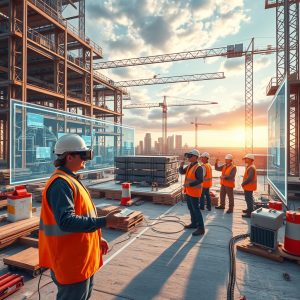
Human-Centric Structural Design: Where Technology and Empathy Shape the Future of Construction

In an era where efficiency and sustainability dominate the conversation around construction, a quieter revolution is taking root—one that places human experience at the very heart of structural design. The shift toward human-centric structural design is not merely about erecting buildings that stand the test of time, but about creating spaces that resonate with the people who inhabit them. This approach blends cutting-edge technology with an empathetic understanding of human needs, ensuring that every beam, wall, and window serves a purpose beyond mere functionality.
The Philosophy Behind Human-Centric Design
At its core, human-centric design is about reimagining the relationship between people and the built environment. Traditional construction methods often prioritize cost, speed, and structural integrity, sometimes at the expense of comfort, accessibility, and emotional well-being. However, as urbanization accelerates and the demand for sustainable living grows, the industry is recognizing that buildings must do more than just exist—they must enhance the quality of life for their occupants.
This philosophy is deeply intertwined with collaborative building design, where architects, engineers, and end-users work together from the earliest stages of a project. By integrating feedback from future residents, workers, or visitors, designers can create spaces that are not only efficient but also intuitive and inclusive. For instance, a hospital designed with input from medical staff and patients might feature wider corridors for easier navigation, natural lighting to reduce stress, and soundproofing to ensure restful recovery.
Technology as the Enabler of Empathy
While empathy is the driving force behind human-centric design, technology is the tool that brings it to life. Immersive construction planning and digital twin site management are two innovations that have revolutionized how designers visualize and refine their projects. Virtual reality (VR) and augmented reality (AR) allow stakeholders to