Constructing the Future: How Prefabricated and Modular Systems Are Redefining Sustainable Urban Development
The construction industry stands at the precipice of a transformative era, where innovation and sustainability converge to address the pressing challenges of urbanization, climate change, and resource scarcity. At the heart of this evolution are prefabricated and modular construction systems, which are not only redefining efficiency but also setting new benchmarks for eco-friendly architecture and energy-efficient design. These methods are no longer niche experiments; they are becoming the cornerstone of modern urban development, offering scalable solutions that align with the principles of Green Building Certification and zero-carbon ambitions.
The Rise of Prefabricated Construction: A Paradigm Shift
Prefabricated construction, once synonymous with temporary or low-quality structures, has undergone a radical transformation. Today, it represents a sophisticated approach to building that leverages advanced manufacturing techniques, precision engineering, and cutting-edge materials. By shifting much of the construction process from the site to controlled factory environments, prefabrication minimizes waste, reduces labor costs, and accelerates project timelines. This method is particularly advantageous in urban settings, where space constraints and logistical challenges often hinder traditional construction.
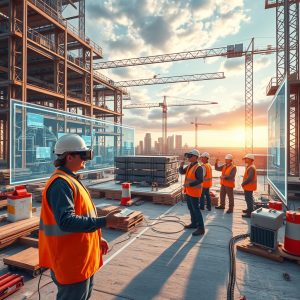
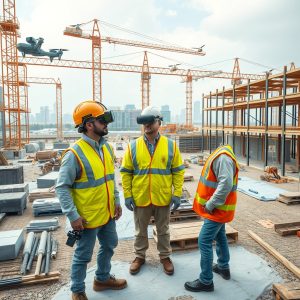
One of the most compelling advantages of prefabrication is its ability to integrate seamlessly with Building Information Modeling (BIM). BIM enables architects, engineers, and contractors to collaborate in a digital environment, creating detailed 3D models that optimize every aspect of a building’s design and construction. When combined with prefabrication, BIM ensures that components are manufactured with millimeter precision, reducing errors and rework. This synergy not only enhances efficiency but also elevates the quality of the final structure, making it a preferred choice for high-rise construction and large-scale urban infrastructure projects.
Modular Construction: Building Blocks for Sustainable Cities
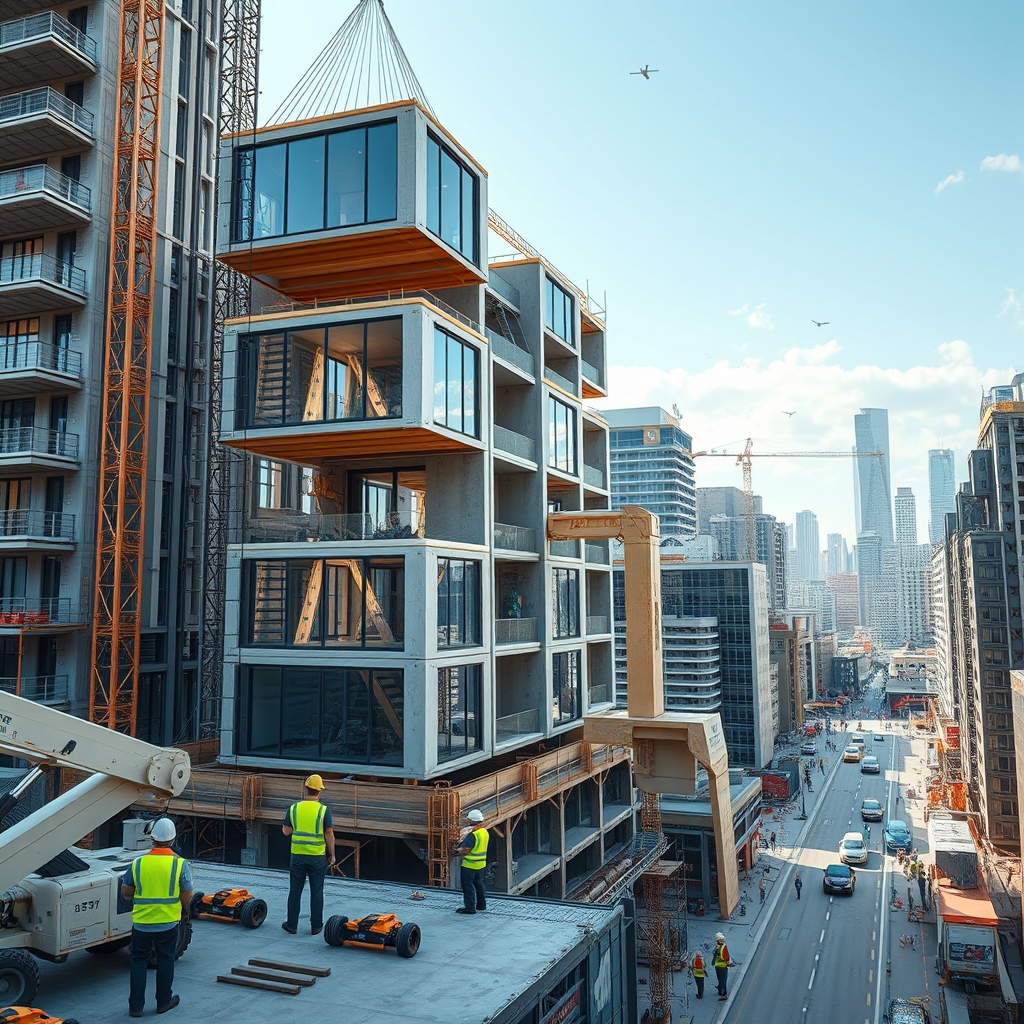
Modular construction takes prefabrication a step further by assembling entire building sections—or modules—in factories before transporting them to the construction site. These modules, which can include everything from structural frameworks to fully finished rooms, are then stacked or connected to form complete buildings. The benefits of this approach are manifold: reduced construction time, lower environmental impact, and enhanced flexibility in design.
In the context of sustainable urban development, modular construction offers a pathway to achieving zero-carbon buildings. By standardizing components and optimizing material usage, modular systems significantly reduce the carbon footprint associated with construction. Additionally, the controlled factory environment allows for better insulation, airtightness, and energy-efficient design, which are critical for meeting the stringent requirements of Green Building Certification programs like LEED and BREEAM. For developers focused on residential building projects or low-cost housing technology, modular construction provides an opportunity to deliver high-quality, energy-efficient homes at scale, without compromising on affordability.
Smart Technology and Advanced Materials: The Backbone of Modern Modular Systems
The integration of smart building technology and advanced materials is further propelling the adoption of prefabricated and modular systems. Smart glass installation, for instance, can be pre-fitted into modular panels, allowing buildings to dynamically adjust their energy consumption based on external conditions. Similarly, the use of modern steel structures and precast concrete solutions enhances the durability and resilience of modular buildings, making them suitable for a wide range of applications, from commercial property construction to high-rise residential towers.
Advanced materials like cross-laminated timber (CLT) and recycled steel are also gaining traction in modular construction. CLT, in particular, offers a sustainable alternative to traditional concrete and steel, with the added benefits of carbon sequestration and reduced weight. These materials not only contribute to the structural integrity of buildings but also align with the growing demand for eco-friendly architecture and zero-carbon construction practices.
Overcoming Challenges: Safety, Regulation, and Perception
Despite its many advantages, the widespread adoption of prefabricated and modular construction is not without challenges. Construction site safety remains a critical concern, as the assembly of large modules requires specialized equipment and skilled labor. However, the controlled factory environment inherent in modular construction can actually enhance safety by reducing on-site hazards such as falls, equipment accidents, and exposure to adverse weather conditions.
Regulatory frameworks also play a pivotal role in the adoption of these methods. Building codes and zoning laws, which were traditionally designed for conventional construction, must evolve to accommodate the unique requirements of prefabricated and modular systems. Forward-thinking cities are already revising their regulations to support innovation, but a broader shift is needed to unlock the full potential of these technologies.
Public perception is another hurdle. Historically, prefabricated buildings were associated with low-quality, temporary structures, which has led to skepticism about their durability and aesthetic appeal. However, as high-profile projects around the world demonstrate the versatility and sophistication of modular construction, these misconceptions are gradually being dispelled. From sleek residential towers to state-of-the-art commercial complexes, modular buildings are proving that they can meet—and exceed—the standards of traditional construction.
The Path Forward: Scalability and Sustainability
As urban populations continue to grow, the demand for sustainable, efficient, and affordable housing solutions will only intensify. Prefabricated and modular construction systems offer a viable path forward, one that balances speed, cost, and environmental responsibility. By embracing these methods, developers, architects, and policymakers can contribute to the creation of resilient urban landscapes that prioritize both people and the planet.
The future of construction lies in the ability to innovate without compromising on sustainability. Prefabricated and modular systems are not just trends; they are the building blocks of a new era in urban development. As technology advances and regulatory barriers diminish, these methods will become increasingly mainstream, reshaping skylines and redefining what it means to build for the future. The shift is already underway, and those who embrace it will be at the forefront of a movement that is as much about environmental stewardship as it is about architectural excellence.