The Future is Built: Integrating Smart Building Technology and Sustainable Construction
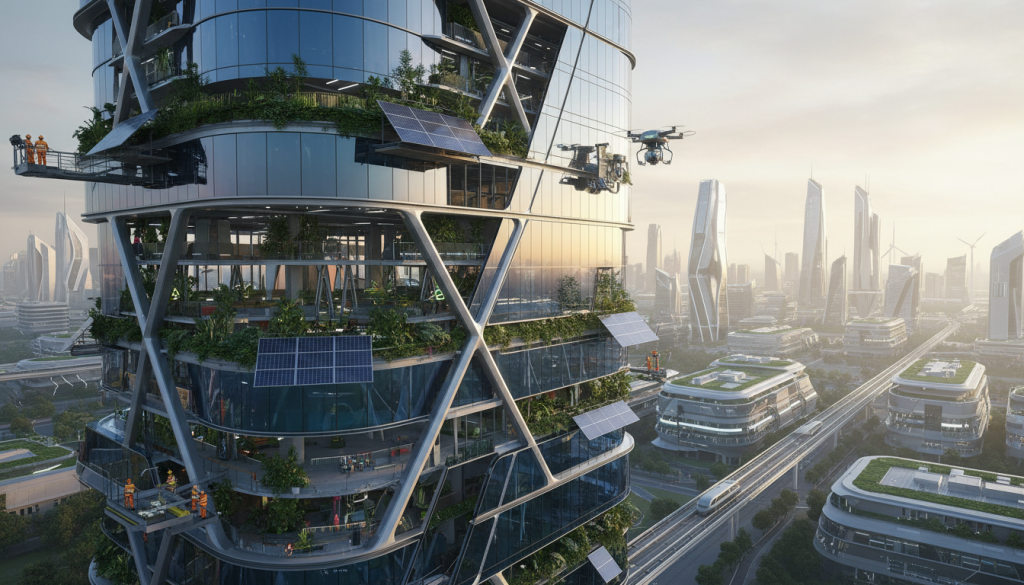
The construction industry is undergoing a profound transformation, driven by an urgent need for sustainability and efficiency. Gone are the days when buildings were merely static structures; today, they are evolving into intelligent, responsive ecosystems. This evolution is powered by the synergistic integration of smart building technology and advanced sustainable construction methods. From the initial design phases using Building Information Modeling (BIM) to the final touches of energy-efficient systems, every step is being re-imagined to create structures that are not only durable and functional but also environmentally responsible and cost-effective.
The Rise of Eco-Friendly Architecture
Eco-friendly architecture is no longer a niche concept but a mainstream imperative. The focus has shifted towards minimizing environmental impact throughout a building’s lifecycle. This involves utilizing advanced building materials that are recycled, renewable, or have a low embodied energy. Think of innovative insulation materials, low-VOC paints, and sustainably sourced timber. Furthermore, energy-efficient design principles are paramount. This includes optimizing natural light, passive solar heating and cooling, and superior insulation to reduce reliance on artificial lighting and HVAC systems. The ultimate goal for many is the creation of zero carbon buildings, which aim to have a net-zero carbon footprint over their operational life, often through on-site renewable energy generation.
Smart Building Technology: The Brains Behind the Brawn
Complementing these sustainable construction methods is the rapid advancement of smart building technology. At its core, smart building technology involves the integration of sensors, software, and interconnected systems that allow buildings to monitor, analyze, and control various aspects of their operation. This includes lighting, heating, ventilation, air conditioning (HVAC), security, and even occupancy. Smart glass installation, for instance, can automatically adjust its tint based on sunlight intensity, reducing glare and heat gain while optimizing natural light. IoT devices collect real-time data, which can then be analyzed to identify inefficiencies, predict maintenance needs, and enhance occupant comfort and productivity. This data-driven approach allows for continuous optimization, ensuring that buildings operate at peak performance and minimal environmental impact.
Building Information Modeling (BIM) as a Foundation
The bedrock upon which many of these advancements are built is Building Information Modeling (BIM). BIM is a digital process that creates and manages information on a construction project throughout its entire lifecycle. It goes beyond traditional 2D CAD drawings to create intelligent 3D models that contain rich data. Architects, engineers, and contractors can collaborate more effectively, visualize designs in detail, identify potential clashes before construction begins, and simulate performance metrics like energy consumption. This enhanced collaboration and upfront planning significantly reduce waste, rework, and project timelines, contributing to both cost savings and a more sustainable construction process. BIM is instrumental in planning for energy-efficient design and integrating complex smart building systems from the outset.
Modular and Prefabricated Solutions: Efficiency and Speed
The drive for efficiency and speed in construction has also spurred the growth of modular construction trends and prefabricated home systems. Modular construction involves building components or entire sections of a building in a controlled factory environment, which are then transported to the site for assembly. This method offers numerous advantages: improved quality control, reduced waste, faster construction times, and less disruption to the surrounding environment. Prefabricated concrete solutions, for example, allow for precise, high-strength components to be manufactured off-site, speeding up the erection of high-rise construction and industrial property development. These off-site manufacturing processes also lend themselves well to the integration of smart technologies and sustainable materials, ensuring a consistent and high-quality outcome.
Modern Steel Structures and Advanced Materials
Modern steel structures continue to be a popular choice for their strength, durability, and recyclability. Advanced steel alloys and innovative design techniques allow for lighter, stronger structures that require fewer materials. Furthermore, the construction industry is exploring a range of advanced building materials, including self-healing concrete, phase-change materials for thermal regulation, and high-performance composites. These materials offer enhanced properties that contribute to greater durability, improved energy efficiency, and reduced maintenance requirements over the building’s lifespan.
Addressing Urban Infrastructure and Housing Needs
These advancements are not limited to commercial property construction or industrial developments. They are also crucial for addressing the challenges of urban infrastructure projects and the growing demand for low-cost housing technology. Smart city initiatives are increasingly incorporating intelligent infrastructure components, from smart grids to integrated traffic management systems. In the realm of housing, modular and prefabricated systems, coupled with energy-efficient designs, offer scalable solutions for providing affordable, sustainable homes. The principles of green building certification, such as LEED or BREEAM, are becoming standard benchmarks, guiding developers and contractors towards creating structures that benefit both occupants and the planet.
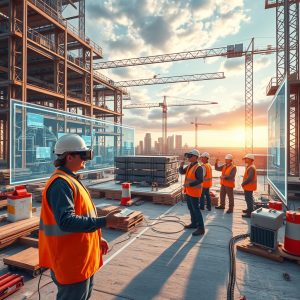
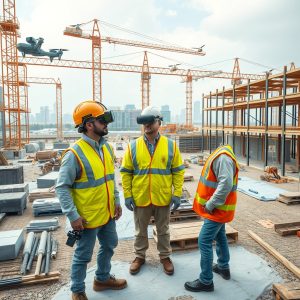
The construction site itself is also becoming smarter and safer. Advanced safety technologies, including wearable sensors for workers, drone-based site monitoring, and predictive analytics for risk assessment, are enhancing construction site safety. Residential building contractors are increasingly adopting these integrated approaches, recognizing that efficiency, sustainability, and safety are not mutually exclusive but are, in fact, deeply interconnected. The convergence of smart technology, sustainable practices, and innovative construction methods is fundamentally reshaping how we design, build, and inhabit our world, paving the way for a more resilient and resource-conscious future.