The Harmony of Human Ingenuity and Smart Technology: Crafting the Next Era of Sustainable Construction
In an era where the built environment accounts for nearly 40% of global carbon emissions, the construction industry stands at a pivotal crossroads. The urgency to reduce environmental impact has never been more pressing, yet the path forward is not merely about adopting new technologies—it’s about reimagining how we build. The fusion of human-centric design principles with cutting-edge smart technology is not just a trend; it’s a transformative movement reshaping the foundations of sustainable construction. This evolution is about more than efficiency; it’s about creating spaces that resonate with the people who inhabit them while respecting the planet that sustains us.
The Human Element in a Digital Age
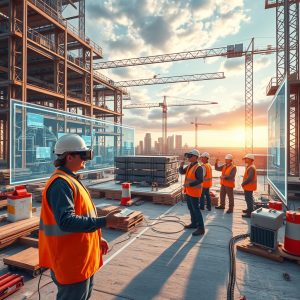
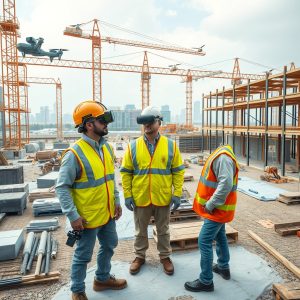
At the heart of this transformation lies a fundamental truth: technology is only as powerful as the people who wield it. Human-centric structural design is not a buzzword but a philosophy that prioritizes the well-being, comfort, and experience of end-users. It’s about understanding that a building is more than steel and concrete—it’s a living, breathing entity that shapes human behavior, health, and happiness. Architects and engineers are increasingly integrating empathy into their designs, using tools like virtual reality (VR) and augmented reality (AR) to simulate how spaces will feel before they’re built. These immersive construction planning techniques allow stakeholders to walk through a project, experiencing natural light, acoustics, and spatial flow as if they were already standing within its walls.
For instance, consider a hospital designed with human-centric principles. Instead of sterile, labyrinthine corridors, smart technology can simulate patient and staff movement, optimizing layouts for minimal stress and maximum efficiency. Natural light is strategically placed to reduce recovery times, while modular building techniques allow for flexible spaces that can adapt to changing healthcare needs. This is not futuristic thinking—it’s happening now, and it’s redefining what it means to build with purpose.
The Rise of Smart Site Monitoring: Eyes Everywhere, Insights Everywhere
While human intuition drives design, smart site monitoring ensures that vision is executed with precision. Traditional construction sites are often plagued by inefficiencies—material waste, delays, and safety risks—that can derail even the most meticulously planned projects. Enter smart site monitoring, a game-changer that leverages IoT sensors, drones, and AI-driven analytics to create a real-time feedback loop. These technologies act as the eyes and ears of a project, capturing data on everything from equipment usage to environmental conditions.
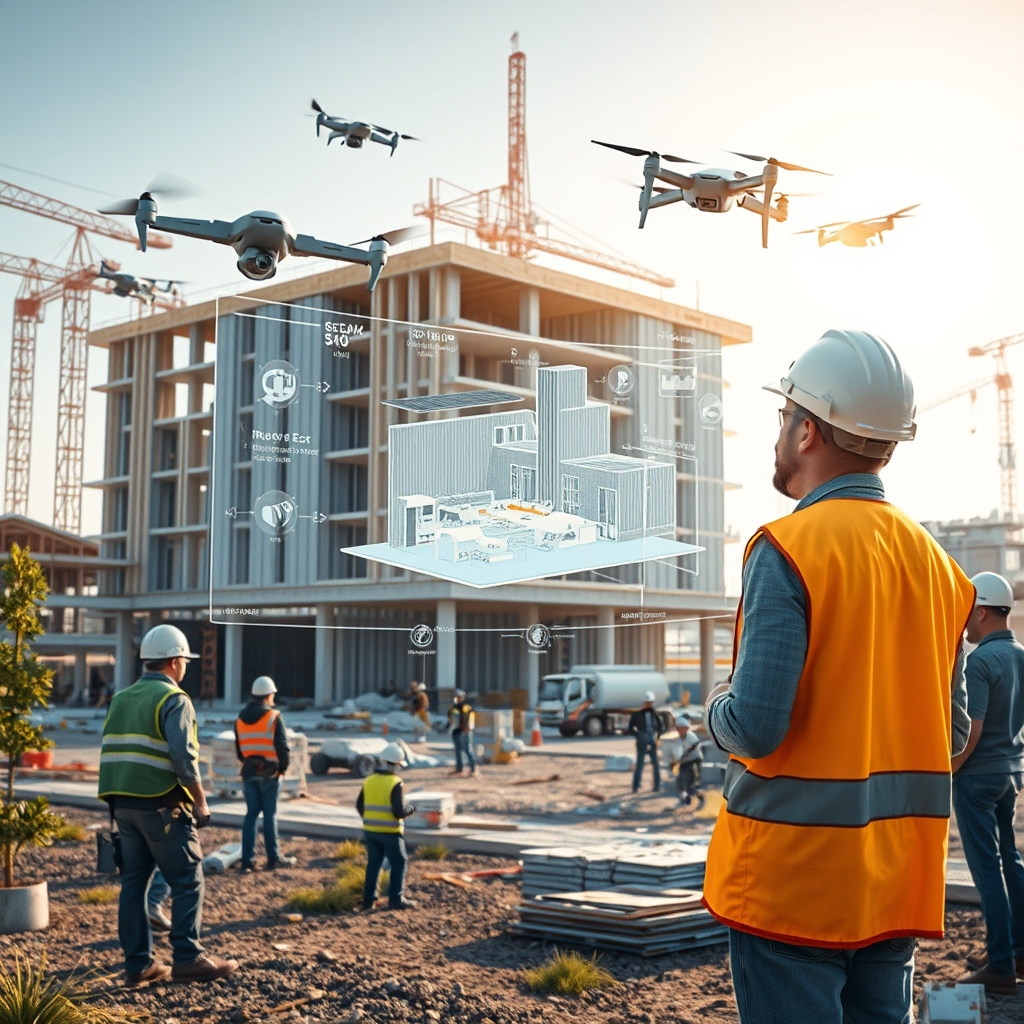
Imagine a construction site where drones conduct daily aerial surveys, identifying potential hazards or deviations from the blueprint before they become costly problems. IoT sensors embedded in materials track temperature and humidity, ensuring that eco-friendly concrete cures correctly, reducing the risk of structural weaknesses. Meanwhile, AI algorithms analyze this data, predicting bottlenecks and suggesting optimizations for efficient resource allocation. The result? Projects that stay on schedule, within budget, and with a significantly reduced carbon footprint. This level of transparency doesn’t just benefit contractors—it fosters trust with clients, who can monitor progress in real-time through digital dashboards, making client participatory building a tangible reality.
Lean Construction: Doing More with Less
At the intersection of smart technology and human-centric design lies lean construction, a methodology that borrows from manufacturing principles to eliminate waste and maximize value. Lean practices are not about cutting corners; they’re about streamlining processes to focus on what truly matters. This approach aligns perfectly with sustainable building methods, where every material, every hour of labor, and every kilowatt of energy must be justified. Digital twin site management plays a crucial role here, creating a virtual replica of the construction site that allows teams to simulate workflows, test scenarios, and identify inefficiencies before breaking ground.
For example, a lean construction project might use prefabricated components manufactured off-site in controlled environments. This not only reduces material waste but also minimizes on-site labor, lowering the risk of accidents and delays. When combined with smart site monitoring, teams can track the delivery and installation of these components in real-time, ensuring seamless integration into the build. The synergy between lean practices and smart technology is a testament to how adaptive construction solutions can drive both sustainability and profitability.
Eco-Friendly Material Selection: Building with the Future in Mind
No discussion of sustainable construction would be complete without addressing the materials that form the backbone of our buildings. The shift toward eco-friendly material selection is not just about reducing carbon footprints—it’s about rethinking the entire lifecycle of a building. From cradle to grave, materials must be sourced responsibly, used efficiently, and, where possible, repurposed or recycled. Innovations in this space are nothing short of revolutionary. Self-healing concrete, for instance, uses bacteria to fill cracks, extending the lifespan of structures and reducing the need for repairs. Cross-laminated timber (CLT) is emerging as a viable alternative to steel and concrete, offering comparable strength with a fraction of the environmental impact.
But selecting the right materials is only half the battle. The real challenge lies in integrating them into a cohesive, sustainable workflow. This is where collaborative building design comes into play. By bringing together architects, engineers, contractors, and even clients in a shared digital space, teams can evaluate the environmental and structural implications of material choices in real-time. For instance, a digital twin can simulate how a building will perform with different insulation materials, helping teams strike the perfect balance between energy efficiency and cost. This level of collaboration ensures that sustainability is not an afterthought but a guiding principle from day one.
The Role of Real-Time Project Transparency
One of the most significant barriers to sustainable construction has been the lack of transparency across the project lifecycle. Historically, stakeholders have operated in silos, with limited visibility into how decisions made in one phase—such as material selection—impact later stages like construction or maintenance. Real-time project transparency is changing that. By leveraging cloud-based platforms and digital twins, every stakeholder, from the architect to the client, can access up-to-date information on a project’s progress, challenges, and environmental impact.
This transparency is particularly powerful when it comes to eco-friendly material selection. For example, a contractor might discover that a locally sourced material, while initially more expensive, will reduce transportation emissions and long-term maintenance costs. With real-time data, they can present this information to the client, who can then make an informed decision that aligns with their sustainability goals. Transparency also fosters accountability, as teams are more likely to adhere to best practices when their actions are visible to all stakeholders. In this way, real-time transparency becomes a catalyst for trust, collaboration, and, ultimately, more sustainable outcomes.
The construction industry is undergoing a quiet revolution, one where the lines between technology and human creativity are blurring to create something greater than the sum of its parts. This is not about replacing the human touch with cold, hard data—it’s about enhancing it. Smart technology provides the tools, but it’s human ingenuity that wields them with purpose. As we look to the future, the most successful projects will be those that strike this delicate balance, where every beam, every bolt, and every byte of data serves a dual purpose: to create spaces that enrich human lives and to do so in a way that leaves the lightest possible footprint on our planet. The blueprint for this future is already being drawn, and it’s up to us to build it.