The Legal Tides: How Submerged Land Rights Are Reshaping the Future of Marine Infrastructure
The ocean has long been a frontier of human ambition, a vast expanse where the boundaries of law, ecology, and engineering blur into a complex tapestry of opportunity and risk. As nations and developers race to expand their territorial and economic reach through land reclamation and artificial archipelagos, the legal frameworks governing submerged land rights have become a battleground of competing interests. These frameworks, often rooted in centuries-old maritime laws, are now being tested by the rapid evolution of marine infrastructure, forcing a reckoning with questions of sovereignty, sustainability, and equity that few are prepared to answer.
The Historical Anchors of Submerged Land Rights
The concept of submerged land rights is not new. It traces its origins to Roman law, which recognized the sea as *res communis*—a common resource belonging to all. This principle persisted through medieval maritime codes and into the modern era, where it was codified in international treaties like the United Nations Convention on the Law of the Sea (UNCLOS). Under UNCLOS, coastal nations are granted exclusive economic zones (EEZs) extending 200 nautical miles from their shores, within which they hold sovereign rights over resources, including submerged land. Yet, the application of these rights is far from straightforward.
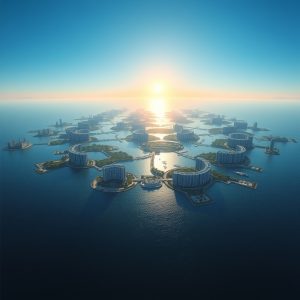
For instance, the construction of artificial islands or the reclamation of land from the sea often straddles the line between national jurisdiction and international waters. Projects like China’s Spratly Islands or Dubai’s Palm Jumeirah have sparked geopolitical tensions, with neighboring states challenging the legality of such developments under UNCLOS. The ambiguity lies in whether these structures constitute “islands” under international law, which would grant them their own territorial waters, or mere “installations,” which do not. The distinction is critical, as it determines whether a nation can extend its maritime boundaries or merely exploit resources within its existing EEZ.
The Ecological Ledger: Who Bears the Cost?
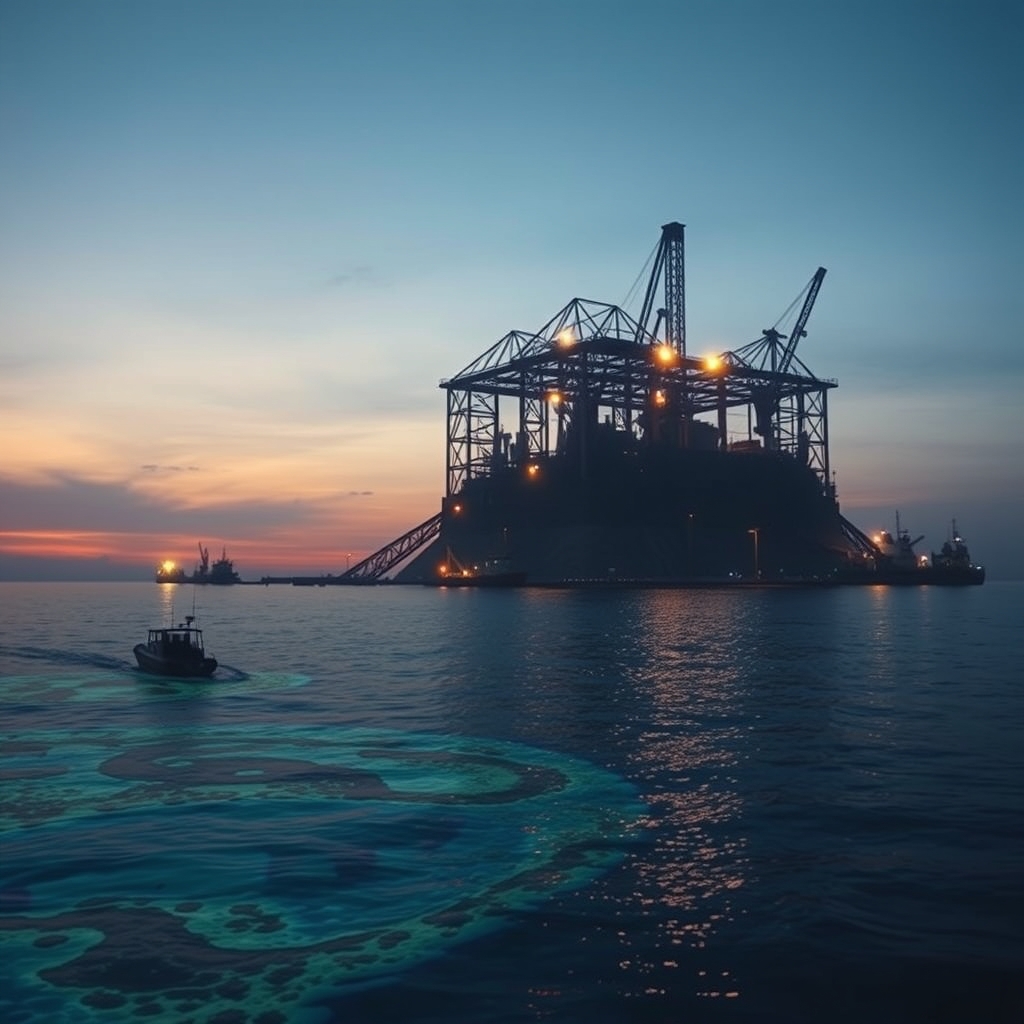
Beyond geopolitical maneuvering, submerged land rights intersect with ecological accountability. Reclamation projects, particularly those involving dredging and landfill, disrupt marine ecosystems, alter sediment flows, and threaten biodiversity. The legal responsibility for these impacts is often diffuse, with developers, governments, and local communities pointing fingers at one another. In some cases, environmental regulations are bypassed or weakened in the name of economic progress, leaving ecosystems—and the communities that depend on them—to bear the brunt of the damage.
Consider the case of Singapore, a nation that has expanded its landmass by over 20% through reclamation. While the project has been hailed as an engineering marvel, it has also led to the destruction of coral reefs and the displacement of traditional fishing grounds. Legal challenges from neighboring Indonesia and Malaysia, which claim that Singapore’s activities have violated their maritime rights, highlight the transboundary nature of ecological harm. Yet, international law offers limited recourse for such disputes, leaving affected states with little more than diplomatic leverage.
The Blue Economy Paradox
The rise of the “blue economy”—an economic model centered on the sustainable use of ocean resources—has further complicated the legal landscape. Proponents argue that marine infrastructure, such as floating cities or offshore renewable energy installations, can drive economic growth while minimizing environmental impact. However, the reality is often messier. The blue economy’s promise of sustainability is frequently undermined by the same legal ambiguities that plague traditional reclamation projects.
For example, the development of floating real estate, such as the Maldives’ proposed “Floating City,” raises questions about jurisdiction and ownership. If a floating structure is anchored within a nation’s EEZ but moves with the tides, does it fall under the host nation’s laws, or does it exist in a legal limbo? Similarly, who is liable if a floating platform damages a coral reef or spills pollutants into international waters? These questions remain largely unanswered, creating a legal vacuum that developers exploit to prioritize profit over precaution.
The Role of Coastal Engineering in Legal Frameworks
Coastal engineering has traditionally been viewed as a technical discipline, focused on designing structures that withstand the forces of nature. Yet, as reclamation projects grow in scale and ambition, engineering decisions are increasingly entangled with legal and ethical dilemmas. The choice of materials, the depth of foundations, and the placement of structures all have legal implications, particularly when they encroach on submerged lands claimed by multiple parties.
Deep sea foundations, for instance, are often touted as a solution to the instability of reclaimed land. However, their installation can disturb deep-sea ecosystems, some of which are protected under international agreements like the Convention on Biological Diversity. The legal frameworks governing these ecosystems are fragmented, with overlapping jurisdictions and inconsistent enforcement. This patchwork of regulations creates loopholes that developers can exploit, allowing them to proceed with projects that may have irreversible ecological consequences.
Toward a New Legal Horizon
The challenges posed by submerged land rights are not insurmountable, but they demand a paradigm shift in how we approach marine infrastructure. Legal frameworks must evolve to address the transboundary nature of ecological harm, the jurisdictional ambiguities of floating structures, and the ethical implications of deep-sea engineering. This requires collaboration between nations, developers, and environmental advocates to create binding agreements that prioritize sustainability over short-term gains.
One potential model is the adoption of “marine spatial planning,” a process that allocates ocean space for different uses based on ecological, economic, and social objectives. By integrating legal, scientific, and community perspectives, marine spatial planning can help mitigate conflicts over submerged land rights while ensuring that reclamation projects align with broader sustainability goals. Countries like Australia and Canada have already begun experimenting with this approach, offering a glimpse of what a more equitable and ecologically responsible future might look like.
The ocean is not a limitless resource, nor is it a blank canvas for human ambition. As we push the boundaries of marine infrastructure, we must confront the legal and ethical questions that lie beneath the surface. The tides of change are already upon us, and the choices we make today will determine whether the future of submerged land rights is one of conflict or cooperation, exploitation or stewardship. The legal frameworks we construct—or fail to construct—will shape not only the physical landscape of our coasts but also the moral contours of our relationship with the sea.