The Future of High-Rise Construction: How Modular Trends and Precast Concrete Are Redefining Urban Skylines
The skyline of modern cities is no longer just a testament to architectural ambition—it’s a living laboratory of innovation, sustainability, and efficiency. High-rise construction, once dominated by steel skeletons and poured-in-place concrete, is undergoing a quiet revolution. At the heart of this transformation are two game-changing methodologies: modular construction trends and precast concrete solutions. Together, they are not only accelerating project timelines but also redefining what it means to build sustainably in densely populated urban environments.
The Modular Movement: Building in Blocks
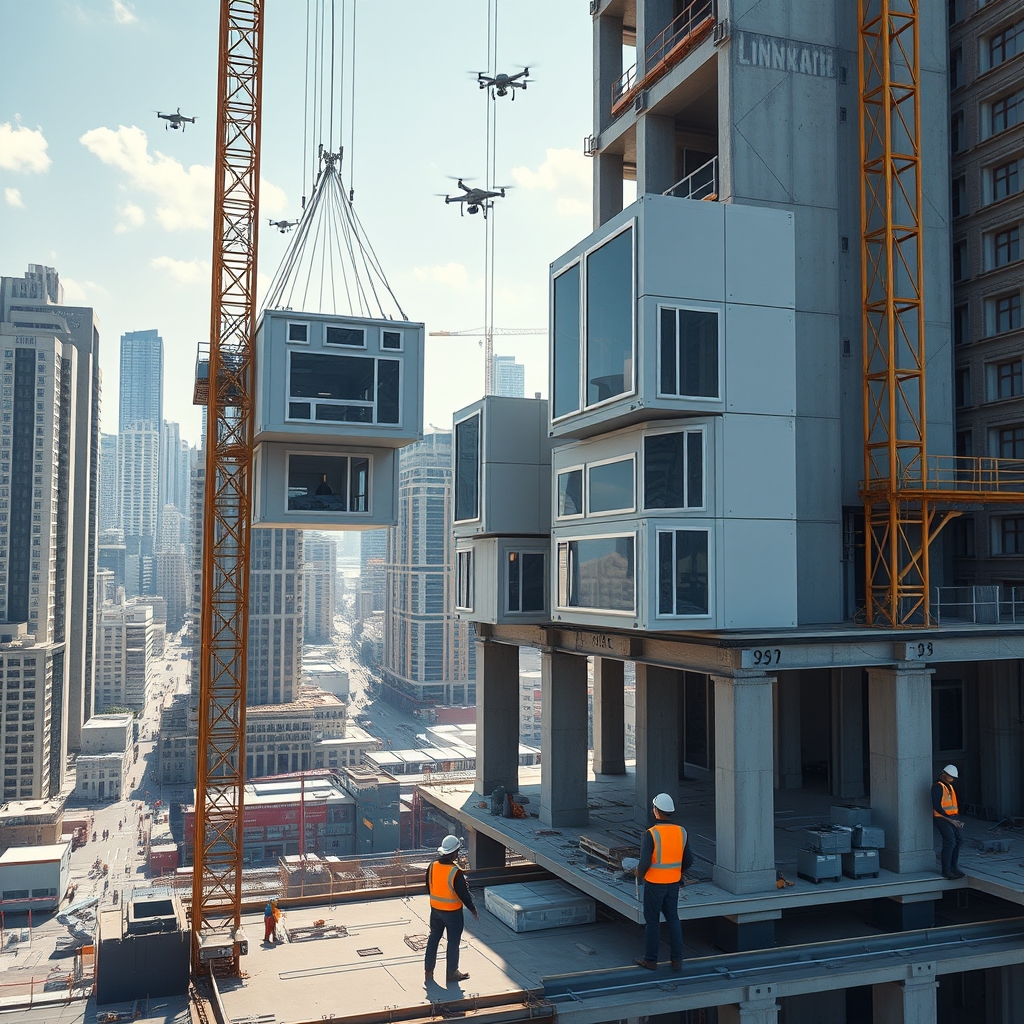
Modular construction, once relegated to temporary structures or low-rise buildings, has evolved into a sophisticated system capable of producing towering skyscrapers. The concept is simple yet revolutionary: entire sections of a building—complete with walls, floors, electrical wiring, and plumbing—are fabricated off-site in controlled factory environments. These modules are then transported to the construction site and assembled like giant, three-dimensional puzzle pieces.
The advantages of this approach are manifold. First, it drastically reduces construction time. Projects that once took years can now be completed in months, as site preparation and module fabrication occur simultaneously. Second, it minimizes waste. Factories optimize material usage, cutting down on the excess that typically plagues traditional construction sites. Third, it enhances quality control. Factory settings allow for precise measurements, consistent conditions, and rigorous inspections, resulting in fewer defects and higher durability.
One of the most compelling examples of modular high-rise construction is the 101 George Street project in Croydon, London. Standing at 44 and 38 stories respectively, these twin towers were built using modular techniques, with 80% of the construction taking place off-site. The project not only set a new standard for speed—completing in just 24 months—but also demonstrated that modular construction could achieve the same aesthetic and structural integrity as traditional methods.
Precast Concrete: The Backbone of Modern High-Rises
While modular construction captures the imagination with its speed and efficiency, precast concrete remains the unsung hero of high-rise innovation. Precast concrete involves casting concrete in reusable molds off-site, then transporting and assembling the components on-site. This method offers unparalleled precision, strength, and versatility, making it ideal for everything from structural frames to façade elements.
The benefits of precast concrete are particularly evident in high-rise construction. Its high compressive strength allows for slender, lightweight designs that can support taller structures without compromising stability. Additionally, precast components can be customized to include insulation, finishes, and even embedded smart technologies, reducing the need for additional layers of construction. This not only streamlines the building process but also enhances energy efficiency—a critical factor in today’s eco-conscious urban planning.
Beyond its structural advantages, precast concrete is a champion of sustainability. The controlled factory environment reduces material waste, and the ability to recycle molds and excess concrete further minimizes environmental impact. Moreover, precast concrete’s thermal mass properties help regulate indoor temperatures, reducing the need for artificial heating and cooling. This aligns perfectly with the growing demand for zero-carbon buildings, where every element of the construction process is scrutinized for its environmental footprint.
Synergy in Action: Modular and Precast Together
The true potential of modern high-rise construction lies in the synergy between modular trends and precast concrete. When combined, these methodologies create a construction ecosystem that is faster, smarter, and more sustainable than ever before. For instance, precast concrete can serve as the structural backbone of a modular building, providing the necessary strength and stability while modular units fill in the living or working spaces. This hybrid approach is already being explored in projects like the AC Hotel by Marriott in New York, where precast concrete cores support modular guest rooms, allowing for rapid assembly without sacrificing durability or design.
Another key advantage of this synergy is the reduction in on-site labor. High-rise construction traditionally requires a large workforce, which can lead to safety risks, logistical challenges, and increased costs. By shifting much of the construction process to factories, developers can minimize on-site labor, reduce accidents, and lower overall project expenses. This is particularly valuable in urban areas, where space is limited, and construction disruptions can have significant economic and social impacts.
Overcoming Challenges: The Road Ahead
Despite their promise, modular construction and precast concrete are not without challenges. One of the primary hurdles is the perception that these methods are limited to repetitive, boxy designs. However, advances in digital fabrication and Building Information Modeling (BIM) are shattering this myth. BIM allows architects and engineers to create highly detailed, customized designs that can be translated into modular or precast components with precision. This means that the aesthetic flexibility of traditional construction is no longer out of reach.
Logistics also pose a challenge. Transporting large modular units or precast components requires careful planning, especially in congested urban areas. However, innovations in transportation technology—such as self-propelled modular transporters (SPMTs)—are making it easier to move these components safely and efficiently. Additionally, the rise of urban micro-factories—small-scale production facilities located near construction sites—is reducing the need for long-distance transportation, further streamlining the process.
Regulatory frameworks are another area that needs to evolve. Building codes and zoning laws were not designed with modular or precast construction in mind, and navigating these regulations can be a complex and time-consuming process. However, as more cities recognize the benefits of these methodologies, there is a growing push to update codes and create standardized guidelines that facilitate their adoption.
The Role of Technology: BIM and Beyond
No discussion of modern high-rise construction would be complete without mentioning the role of technology. Building Information Modeling (BIM) is the digital backbone that makes modular and precast construction possible. BIM allows for the creation of 3D models that integrate every aspect of a building’s design, from structural elements to mechanical systems. This level of detail ensures that modular units and precast components fit together seamlessly, reducing errors and rework.
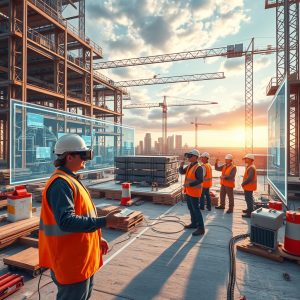
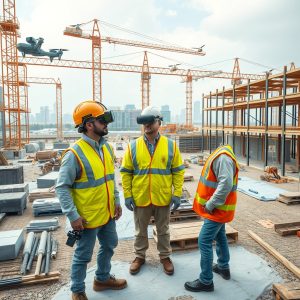
Beyond BIM, other technologies are enhancing the efficiency and sustainability of high-rise construction. Drones are being used to survey sites and monitor progress, while augmented reality (AR) is helping workers visualize complex assemblies. Meanwhile, smart building technologies—such as IoT sensors and automated systems—are being integrated into modular and precast components, creating buildings that are not only efficient to construct but also intelligent to operate.
As cities continue to grow and the demand for sustainable, high-quality housing and commercial spaces increases, the adoption of modular construction and precast concrete will only accelerate. These methodologies are not just trends—they are the foundation of a new era in urban development, one where speed, sustainability, and innovation go hand in hand. The skylines of the future will be shaped by the choices we make today, and with modular and precast technologies leading the way, those choices have never been more promising. The buildings rising above our cities are no longer just structures; they are symbols of a smarter, greener, and more efficient way of living, proving that the future of high-rise construction is already here.