The Hidden Potential of Prefabricated Home Systems: Revolutionizing Residential Construction with Speed, Sustainability, and Style
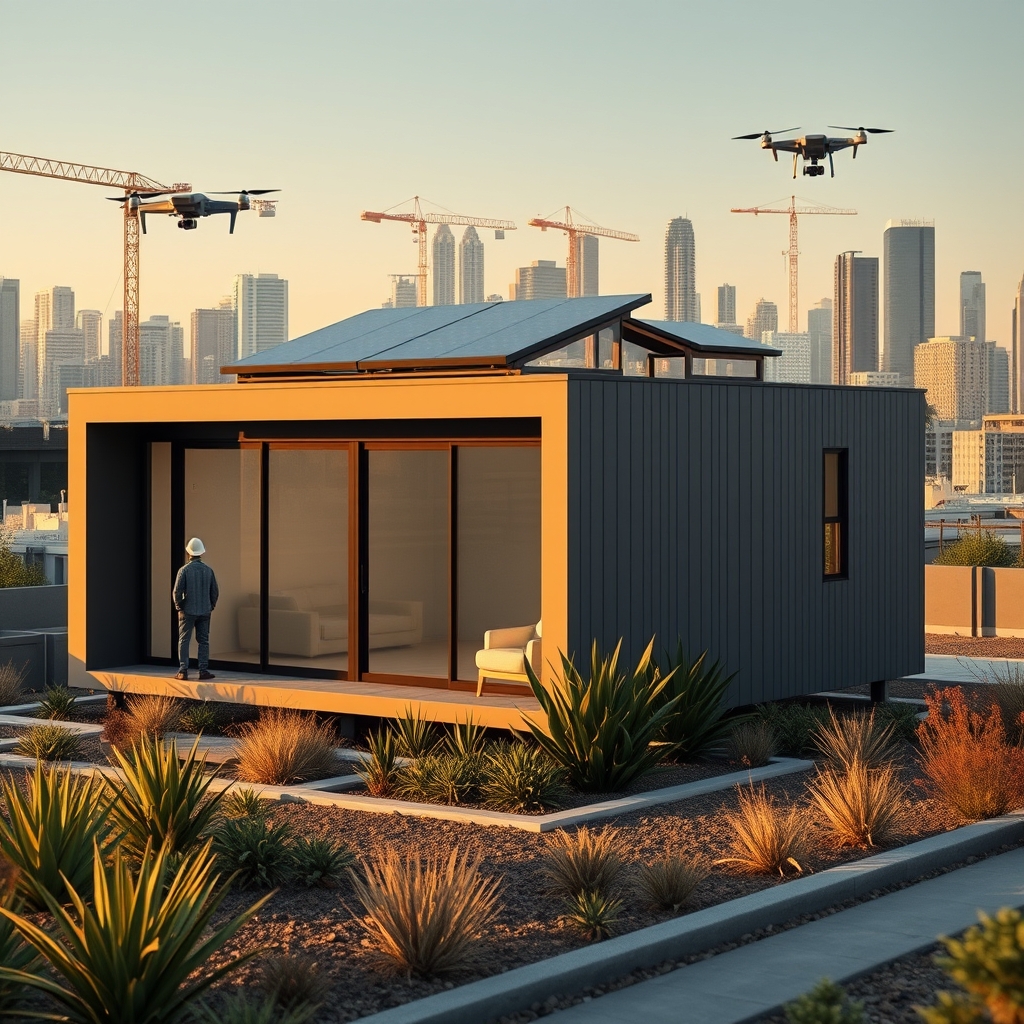
In an era where urbanization is accelerating at an unprecedented pace, the demand for efficient, sustainable, and cost-effective housing solutions has never been greater. Prefabricated home systems are emerging as a game-changer in the residential construction industry, offering a blend of innovation, speed, and environmental responsibility that traditional building methods struggle to match. These systems are not just about assembling homes off-site; they represent a fundamental shift in how we think about construction, design, and urban living.
The Rise of Prefabricated Home Systems
Prefabricated home systems, often referred to as prefab or modular homes, involve constructing sections or entire homes in a controlled factory environment before transporting them to the building site for assembly. This method contrasts sharply with conventional construction, where every step—from laying the foundation to installing the roof—occurs on-site. The prefabrication process allows for greater precision, reduced waste, and faster completion times, making it an attractive option for developers, homeowners, and urban planners alike.
The concept of prefabricated homes is not new, but recent advancements in technology and materials have elevated it to new heights. Modern prefab homes are no longer the boxy, uniform structures of the past. Instead, they offer customizable designs, high-quality finishes, and energy-efficient features that rival, and often surpass, those of traditionally built homes. From sleek, contemporary designs to cozy, rustic cabins, prefabricated home systems are redefining what it means to build a dream home.
Speed and Efficiency: A Game-Changer for Urban Development
One of the most compelling advantages of prefabricated home systems is their ability to drastically reduce construction timelines. Traditional home construction can take anywhere from six months to over a year, depending on the size and complexity of the project. In contrast, prefab homes can be completed in a matter of weeks, thanks to the parallel processing of site preparation and factory construction. This speed is particularly valuable in urban areas, where housing shortages and rising demand for affordable living spaces are pressing challenges.
The efficiency of prefabricated construction extends beyond time savings. Factory-controlled environments minimize the risk of weather-related delays, which can derail on-site construction projects. Additionally, the precision of factory assembly reduces material waste, as components are cut and fitted with exact measurements. This not only lowers costs but also aligns with the growing emphasis on sustainable construction practices, where every resource counts.
Sustainability at the Core
Sustainability is a cornerstone of the prefabricated home movement. By constructing homes in a factory, builders can optimize material usage, recycle waste, and incorporate eco-friendly materials with greater ease. Many prefab homes are designed with energy efficiency in mind, featuring advanced insulation, solar panels, and smart home technologies that reduce energy consumption and lower utility bills. These features make prefab homes an ideal choice for those looking to minimize their environmental footprint without compromising on comfort or style.
Moreover, the controlled environment of a factory allows for better quality control, ensuring that homes are built to the highest standards. This reduces the likelihood of defects and the need for costly repairs down the line, further enhancing the long-term sustainability of prefab homes. As green building certifications like LEED and Passive House become increasingly sought after, prefabricated home systems are well-positioned to meet these rigorous standards.
Design Flexibility and Customization
A common misconception about prefabricated homes is that they lack design flexibility. However, the reality is quite the opposite. Today’s prefab homes offer a wide range of customization options, from floor plans and exterior finishes to interior fixtures and smart home integrations. Architects and designers are embracing prefabrication as a way to push the boundaries of creativity, experimenting with modular designs that can be adapted to different sites, climates, and lifestyles.
For example, modular homes can be designed to expand or contract based on the needs of the homeowner. A young couple might start with a small, efficient unit and later add modules as their family grows. This adaptability is particularly valuable in urban settings, where space is at a premium and the ability to maximize square footage is essential. Additionally, prefab homes can be designed to blend seamlessly with their surroundings, whether that means a modern urban loft or a rustic countryside retreat.
The Role of Technology in Prefabrication
Technology is playing a pivotal role in the evolution of prefabricated home systems. Building Information Modeling (BIM) software allows architects and engineers to create detailed 3D models of homes before construction begins, ensuring that every component fits together perfectly. This digital precision translates into real-world efficiency, reducing errors and streamlining the assembly process.
Advanced materials are also transforming prefab construction. From cross-laminated timber (CLT) to high-performance insulation and smart glass, these materials enhance the durability, energy efficiency, and aesthetic appeal of prefab homes. Smart building technologies, such as automated lighting, heating, and security systems, can be integrated into the design from the outset, creating homes that are not only sustainable but also intelligent and responsive to the needs of their occupants.
Overcoming Challenges and Misconceptions
Despite their many advantages, prefabricated home systems still face skepticism from some quarters. Concerns about quality, durability, and resale value persist, though these are largely unfounded. Modern prefab homes are built to the same, if not higher, standards as traditional homes, and their construction methods often result in stronger, more resilient structures. Additionally, as prefab homes become more mainstream, their resale value is increasingly comparable to that of conventionally built homes.
Another challenge is the perception that prefab homes are a one-size-fits-all solution. In reality, the prefabrication industry is diverse, with options ranging from affordable, entry-level homes to high-end, luxury residences. The key is to work with reputable manufacturers and designers who understand the unique needs of each project and can deliver a home that reflects the vision and lifestyle of the homeowner.
As cities continue to grow and the demand for sustainable, efficient housing solutions intensifies, prefabricated home systems are poised to play a central role in shaping the future of residential construction. They offer a compelling blend of speed, sustainability, and design flexibility that traditional methods simply cannot match. By embracing prefabrication, we can build homes that are not only faster and more affordable but also kinder to the planet and better suited to the needs of modern living. The shift toward prefabricated homes is more than just a trend; it is a fundamental reimagining of how we create the spaces we call home, one module at a time.