Crafting the Future: How Immersive Tech and Lean Practices Are Redefining Sustainable Construction
In the ever-evolving landscape of construction, the integration of immersive technology and lean practices is revolutionizing the way we approach sustainable building. This synergy is not only enhancing efficiency and reducing waste but also fostering a more human-centric approach to construction. Let’s delve into how these innovations are shaping the future of sustainable construction.
Immersive Construction Planning
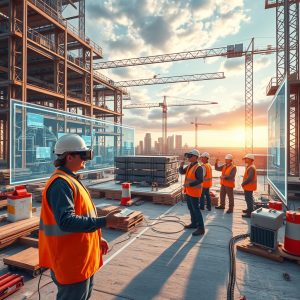
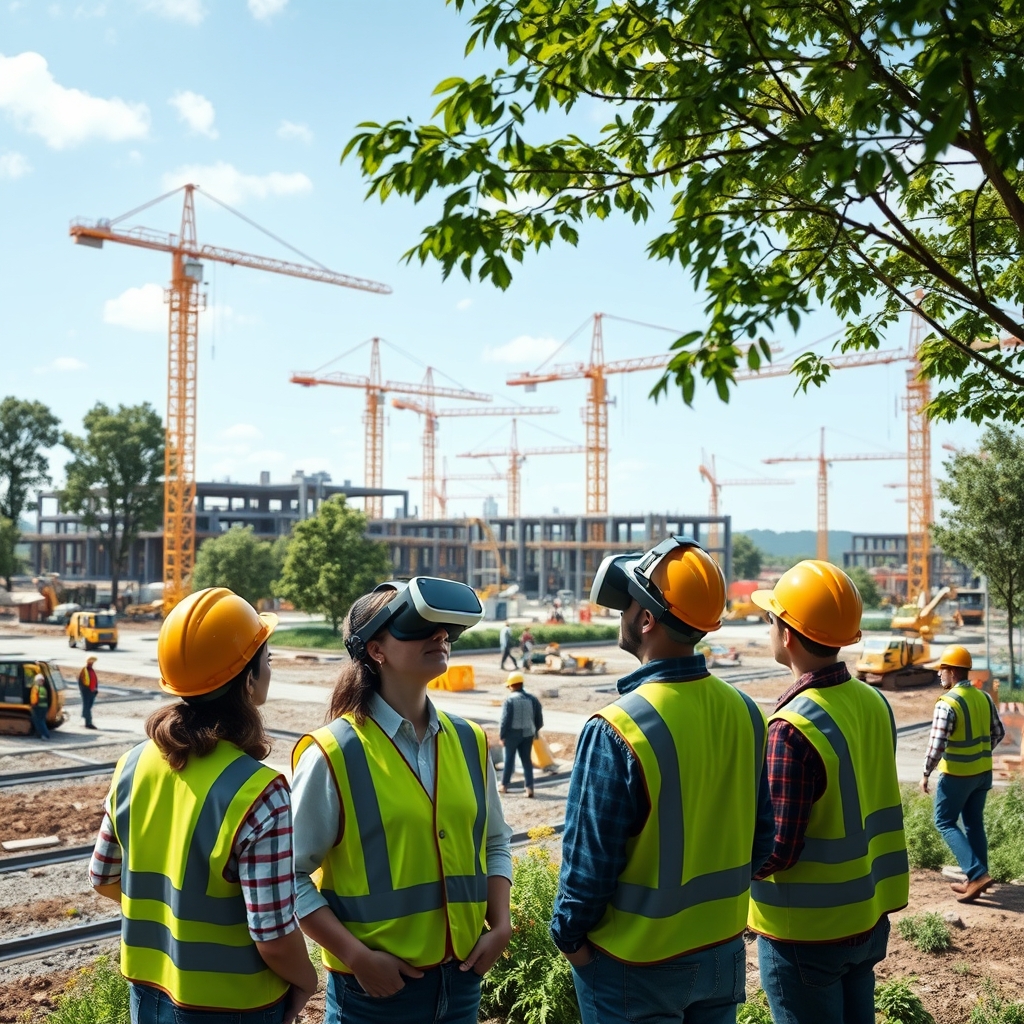
Immersive construction planning is a game-changer in the industry. By using virtual reality (VR) and augmented reality (AR), project teams can create a digital twin of the construction site. This digital twin allows stakeholders to visualize the project in a 3D environment, facilitating better decision-making and communication. For instance, architects, engineers, and contractors can walk through the virtual site, identify potential issues, and make necessary adjustments before any physical work begins. This not only saves time and resources but also ensures a more accurate and efficient construction process.
Digital Twin Site Management
Digital twin site management takes immersive construction planning a step further. It involves creating a real-time digital replica of the physical construction site. This digital twin is continuously updated with data from sensors, drones, and other IoT devices, providing a comprehensive view of the project’s progress. Site managers can monitor the construction process in real-time, track progress, and identify any deviations from the plan. This level of transparency and control ensures that the project stays on track and meets its quality and sustainability goals.
Lean Construction Practices
Lean construction practices are another cornerstone of sustainable and efficient building. Rooted in the principles of lean manufacturing, lean construction aims to eliminate waste, reduce costs, and improve quality. By focusing on continuous improvement and value stream mapping, lean construction helps identify and eliminate non-value-added activities. This not only enhances productivity but also promotes a culture of sustainability and continuous learning within the construction team.
Collaborative Building Design
Collaborative building design is a key aspect of lean construction. It involves bringing together architects, engineers, contractors, and other stakeholders to work together on the design and construction of the building. This collaborative approach ensures that everyone is aligned with the project goals and can contribute their expertise to create a more sustainable and efficient building. By fostering open communication and shared decision-making, collaborative building design promotes a more integrated and holistic approach to construction.
Human-Centric Structural Design
Human-centric structural design is a crucial aspect of sustainable construction. It focuses on creating buildings that are not only functional and efficient but also comfortable and healthy for the people who will use them. By considering factors such as natural ventilation, daylighting, and thermal comfort, human-centric structural design ensures that the building is a pleasant and productive space for its occupants. This approach also promotes a more sustainable and eco-friendly construction process, as it reduces the need for artificial heating, cooling, and lighting.
Eco-Friendly Material Selection
Eco-friendly material selection is another important aspect of human-centric structural design. By choosing materials that are sustainable, recyclable, and low in carbon footprint, we can reduce the environmental impact of the building. Additionally, these materials often have superior performance characteristics, such as improved insulation, durability, and resistance to pests and mold. By prioritizing eco-friendly materials, we can create buildings that are not only more sustainable but also more comfortable and healthy for their occupants.
In conclusion, the integration of immersive technology and lean practices is transforming the construction industry, making it more sustainable, efficient, and human-centric. By embracing these innovations, we can create buildings that are not only functional and beautiful but also environmentally responsible and comfortable for their occupants. As we continue to push the boundaries of what’s possible, the future of construction looks brighter than ever.