The Invisible Backbone: How Building Information Modeling and Precast Concrete Are Redefining Urban Infrastructure

Urban landscapes are evolving at an unprecedented pace, driven by the need for efficiency, sustainability, and resilience. At the heart of this transformation lies a powerful synergy between two seemingly disparate innovations: Building Information Modeling (BIM) and precast concrete solutions. Together, they are not just reshaping how we construct buildings but redefining the very fabric of urban infrastructure, making cities smarter, greener, and more adaptable to the challenges of the 21st century.
The Digital Revolution in Construction
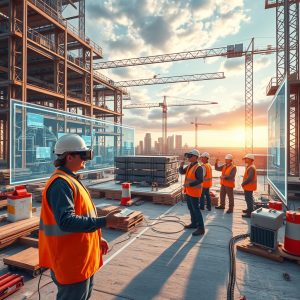
Building Information Modeling, or BIM, has emerged as the cornerstone of modern construction. More than just a digital tool, BIM is a collaborative process that integrates data, design, and construction into a single, cohesive framework. By creating a 3D model that encompasses every aspect of a building—from structural elements to mechanical systems—BIM enables architects, engineers, and contractors to visualize, simulate, and optimize projects before a single brick is laid.
The advantages of BIM extend far beyond visualization. It enhances precision, reduces errors, and minimizes waste, all of which are critical in an industry where inefficiencies can lead to costly delays and environmental harm. For urban infrastructure projects, where complexity and scale are often magnified, BIM acts as a unifying force, ensuring that every stakeholder—from city planners to construction crews—operates from the same playbook. This level of coordination is particularly vital in high-rise construction and large-scale developments, where even minor misalignments can have cascading consequences.
The Rise of Precast Concrete: Strength Meets Sustainability
While BIM provides the digital blueprint, precast concrete offers the physical backbone of modern urban infrastructure. Precast concrete—manufactured off-site in controlled environments and transported to construction sites—is revolutionizing the way we build. Its benefits are manifold: superior quality control, reduced construction time, and enhanced durability. But perhaps its most compelling advantage lies in its sustainability.
Traditional concrete production is a significant contributor to global carbon emissions, but precast concrete mitigates this impact through efficient manufacturing processes and reduced material waste. Additionally, its longevity and resilience make it an ideal choice for urban environments, where structures must withstand the test of time and the pressures of dense populations. From bridges and tunnels to residential towers and commercial complexes, precast concrete is proving to be a game-changer in high-rise construction and industrial property development.
Bridging the Gap: BIM and Precast Concrete in Harmony
The true magic happens when BIM and precast concrete converge. BIM’s digital precision allows for the seamless integration of precast elements into construction projects, ensuring that every component fits perfectly into the larger design. This synergy not only accelerates construction timelines but also enhances the overall quality of the build. For example, in modular construction trends, where speed and efficiency are paramount, the combination of BIM and precast concrete enables developers to assemble structures like giant, high-tech Lego sets, reducing on-site labor and minimizing disruptions to urban life.
Moreover, this integration supports the broader goals of eco-friendly architecture and zero-carbon buildings. By optimizing material usage and reducing waste, BIM and precast concrete contribute to energy-efficient design and sustainable construction methods. In urban infrastructure projects, where every decision has a ripple effect, this approach helps cities move closer to their sustainability targets while maintaining the structural integrity and aesthetic appeal of their skylines.
The Future of Urban Infrastructure: Smarter, Greener, and More Resilient
As cities continue to grow, the demand for smarter, more sustainable infrastructure will only intensify. The collaboration between BIM and precast concrete is a testament to how innovation can address these challenges head-on. By leveraging digital precision and advanced materials, urban developers can create structures that are not only efficient and durable but also environmentally responsible. This is not just about building for today; it’s about constructing a legacy for future generations.
In the coming decades, we can expect to see even greater integration of smart building technology and sustainable construction methods. From smart glass installations that regulate energy use to prefabricated home systems that offer affordable, eco-friendly housing solutions, the tools of the trade are evolving rapidly. Yet, at the core of this evolution lies the timeless principle of balance—between innovation and tradition, speed and sustainability, and ambition and responsibility. The cities of tomorrow will be defined not just by their towering skyscrapers or sprawling infrastructure, but by their ability to harmonize progress with purpose, ensuring that every brick laid and every beam raised contributes to a more sustainable, resilient, and vibrant urban future.