BIM and Beyond: How Building Information Modeling is Shaping the Future of Sustainable Construction
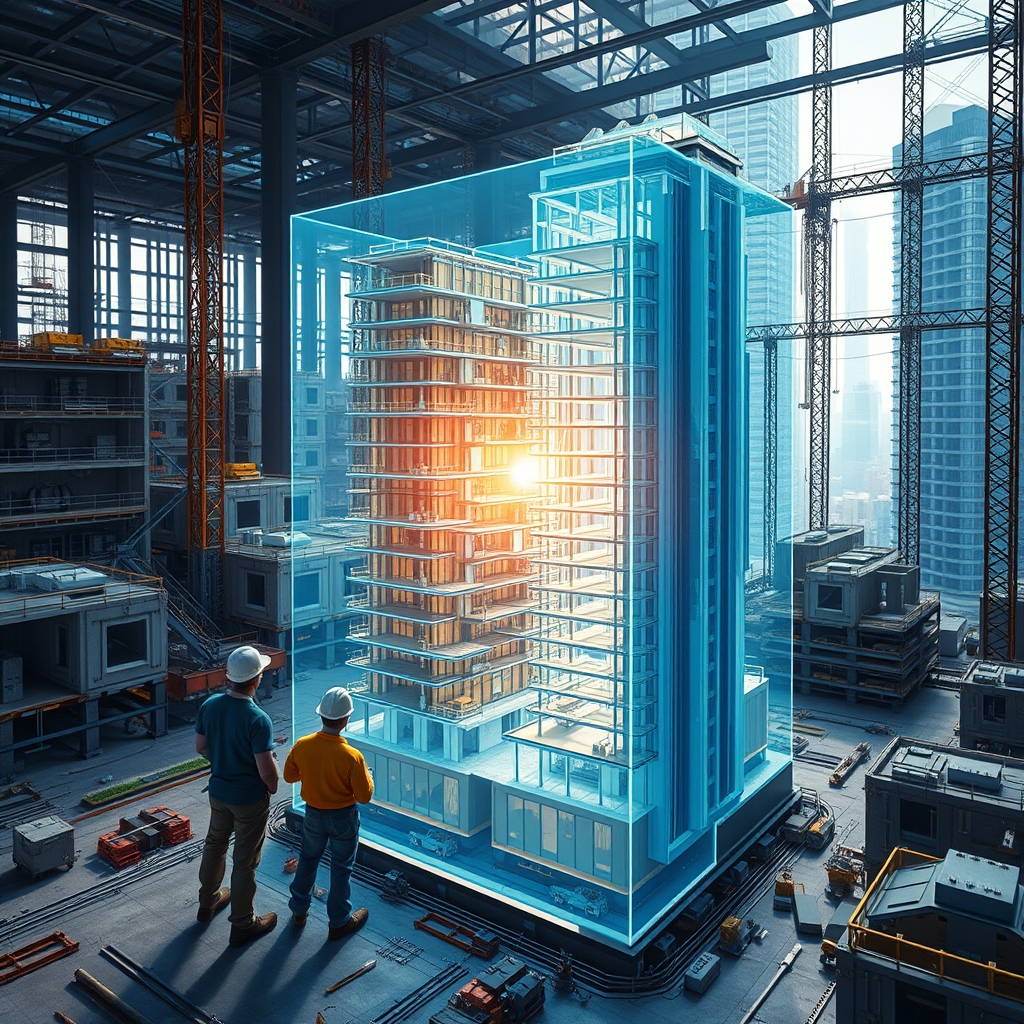
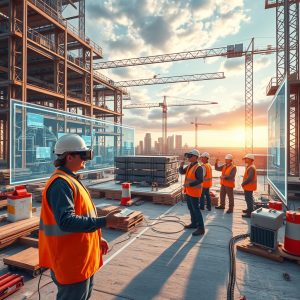
In the ever-evolving landscape of construction, the integration of digital technologies has become a cornerstone for innovation, efficiency, and sustainability. Among these advancements, Building Information Modeling (BIM) stands out as a transformative force, redefining how architects, engineers, and contractors approach projects from conception to completion. By creating a digital representation of a building’s physical and functional characteristics, BIM enables stakeholders to collaborate seamlessly, optimize resources, and minimize waste—key factors in achieving Green Building Certification and fostering Eco-Friendly Architecture.
The Evolution of BIM in Modern Construction
BIM has come a long way since its inception. Initially perceived as a tool for 3D modeling, it has evolved into a comprehensive platform that supports the entire lifecycle of a construction project. Today, BIM integrates data from various disciplines, including structural engineering, mechanical systems, and environmental analysis, allowing for real-time updates and informed decision-making. This holistic approach not only enhances precision but also aligns with Sustainable Construction Methods, as it enables teams to simulate energy performance, assess material efficiency, and identify potential design flaws before construction begins.
One of the most significant advantages of BIM is its ability to facilitate Smart Building Technology. By embedding sensors and IoT devices into the digital model, buildings can be designed to adapt to environmental conditions, optimize energy consumption, and even predict maintenance needs. For instance, BIM can simulate how natural light will interact with a building’s façade, allowing architects to design spaces that maximize daylight while minimizing heat gain—a critical consideration for Energy-Efficient Design in both residential and commercial properties.
BIM and Modular Construction: A Perfect Pair
The rise of Modular Construction Trends has further amplified the value of BIM. Modular construction relies on prefabricated components manufactured off-site and assembled on location, a process that demands meticulous planning and coordination. BIM’s ability to create detailed, dimensionally accurate models ensures that modular units fit together seamlessly, reducing errors and accelerating project timelines. This synergy between BIM and modular construction not only enhances efficiency but also supports Low-Cost Housing Technology, as it allows for scalable, repeatable designs that can be adapted to different sites and budgets.
Moreover, BIM’s role in modular construction extends to sustainability. By optimizing material usage and reducing construction waste, BIM helps projects achieve higher levels of Green Building Certification, such as LEED or BREEAM. For example, precast concrete solutions, which are often used in modular construction, can be precisely modeled in BIM to ensure minimal waste and maximum structural integrity. This level of detail is particularly valuable in Urban Infrastructure Projects, where space constraints and environmental regulations demand innovative solutions.
Enhancing Collaboration and Reducing Risk
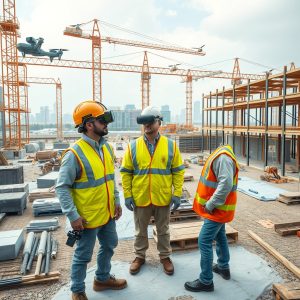
One of the most compelling aspects of BIM is its ability to break down silos between disciplines. In traditional construction workflows, architects, engineers, and contractors often work in isolation, leading to miscommunication and costly errors. BIM, however, provides a shared platform where all stakeholders can access and contribute to the same model. This collaborative environment fosters transparency, reduces conflicts, and ensures that everyone is aligned with the project’s goals—whether it’s achieving Zero Carbon Buildings or adhering to Construction Site Safety protocols.
Risk management is another area where BIM excels. By simulating construction sequences and identifying potential clashes—such as conflicts between structural elements and mechanical systems—BIM allows teams to address issues before they arise on-site. This proactive approach not only saves time and money but also enhances safety, a critical consideration in high-stakes projects like High-Rise Construction or Industrial Property Development. For instance, BIM can model the installation of Smart Glass Installation systems, ensuring that they are integrated seamlessly with the building’s HVAC and lighting controls to maximize energy efficiency.
The Future of BIM: AI and Automation
As technology continues to advance, the future of BIM looks even more promising. Artificial intelligence (AI) and machine learning are beginning to play a role in automating routine tasks, such as generating construction schedules or analyzing energy performance data. These capabilities will further streamline workflows, allowing teams to focus on creativity and innovation. For example, AI-powered BIM tools can suggest design optimizations based on historical data, helping architects create buildings that are not only aesthetically pleasing but also highly functional and sustainable.
Another exciting development is the integration of BIM with Advanced Building Materials. Innovations like self-healing concrete, carbon-absorbing facades, and phase-change materials are pushing the boundaries of what’s possible in construction. BIM can model how these materials will perform under different conditions, enabling designers to make data-driven decisions that enhance durability, energy efficiency, and occupant comfort. This is particularly relevant for Commercial Property Construction, where long-term performance and operational costs are key considerations.
BIM as a Catalyst for Sustainable Urban Development
Beyond individual projects, BIM is playing a pivotal role in shaping the future of urban development. Cities around the world are grappling with challenges like population growth, climate change, and aging infrastructure. BIM provides a framework for addressing these issues by enabling the design of smarter, more resilient urban environments. For example, BIM can be used to model entire city blocks, simulating how new developments will interact with existing infrastructure, transportation networks, and natural ecosystems. This level of planning is essential for creating Urban Infrastructure Projects that are not only efficient but also sustainable and livable.
In the realm of Residential Building Contractors, BIM is democratizing access to high-quality, sustainable housing. By standardizing designs and streamlining construction processes, BIM makes it easier to deliver affordable, energy-efficient homes. This is particularly impactful in regions where housing shortages are acute, as BIM can help scale production without compromising on quality or sustainability. For instance, prefabricated home systems designed using BIM can be customized to meet local climate conditions, ensuring that they are both cost-effective and environmentally responsible.
The construction industry is at a crossroads, with sustainability and digital innovation driving its evolution. Building Information Modeling is more than just a tool—it’s a paradigm shift that is reshaping how we design, build, and operate structures. By fostering collaboration, reducing waste, and enabling smarter decision-making, BIM is paving the way for a future where buildings are not only functional and beautiful but also sustainable and resilient. As cities grow and environmental challenges intensify, the role of BIM in creating a built environment that harmonizes with the natural world will only become more critical, offering a blueprint for a greener, more efficient future.