Revolutionizing Urban Development: The Impact of Industrial Property Construction on Sustainable Cities
As cities expand and populations grow, the demand for industrial property development has surged, reshaping urban landscapes in ways that prioritize efficiency, sustainability, and innovation. Industrial property construction is no longer just about erecting warehouses or manufacturing plants; it has evolved into a sophisticated discipline that integrates cutting-edge technologies, eco-friendly materials, and energy-efficient designs to create spaces that are both functional and sustainable. This transformation is not only redefining how industries operate but also setting new benchmarks for urban infrastructure projects worldwide.
The Shift Toward Sustainable Industrial Construction
Traditional industrial construction often prioritized cost and speed over environmental considerations, leading to buildings with high energy consumption and significant carbon footprints. However, the tide is turning as developers and architects increasingly adopt sustainable construction methods to meet the demands of a climate-conscious world. Green building certification systems, such as LEED (Leadership in Energy and Environmental Design) and BREEAM (Building Research Establishment Environmental Assessment Method), are now guiding the design and construction of industrial properties, ensuring they adhere to stringent sustainability criteria.
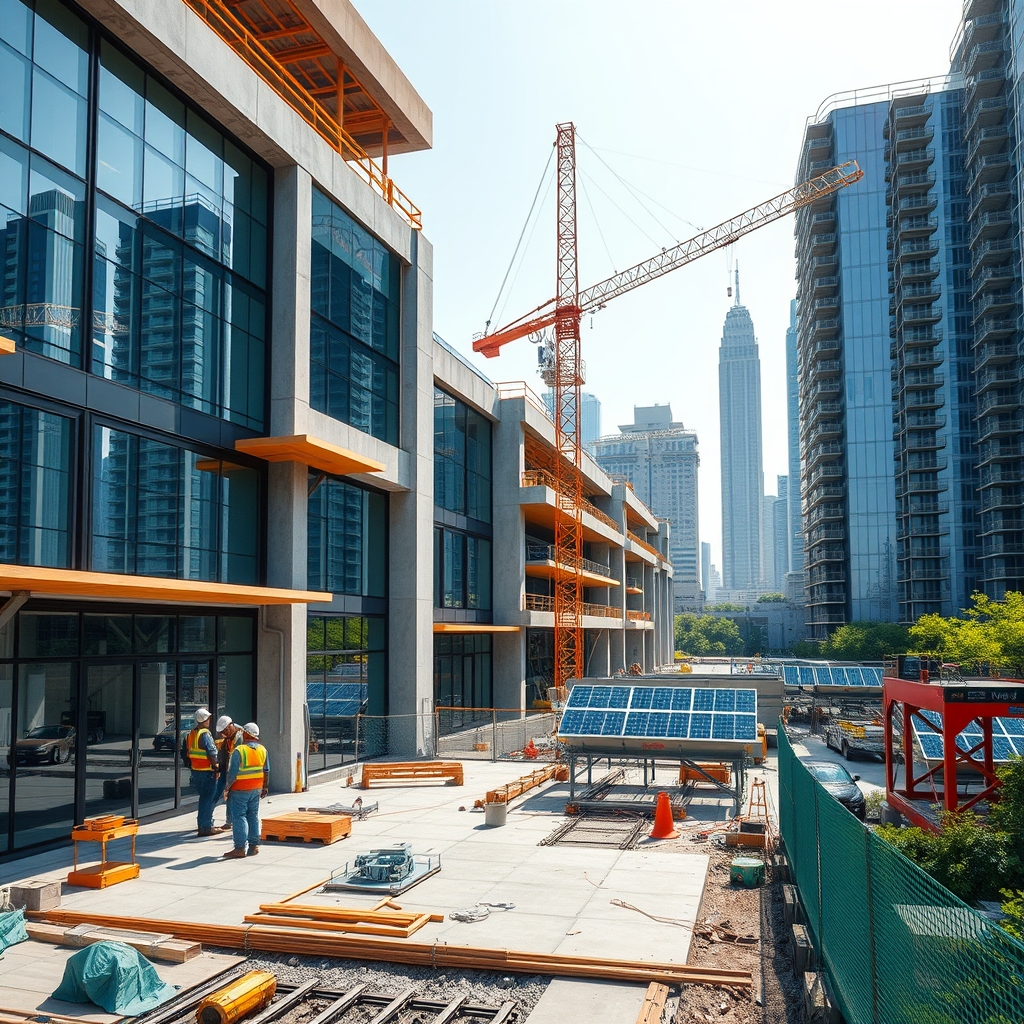
These certifications encourage the use of energy-efficient design principles, such as optimizing natural light, improving insulation, and incorporating renewable energy sources like solar panels or wind turbines. Additionally, sustainable industrial construction often involves the use of advanced building materials, such as recycled steel, low-carbon concrete, and smart glass, which not only reduce environmental impact but also enhance the longevity and performance of the structures. By embracing these practices, industrial property developers are not only reducing their ecological footprint but also future-proofing their investments against evolving regulations and market expectations.
Smart Building Technology: The Backbone of Modern Industrial Properties
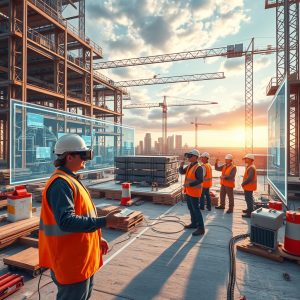
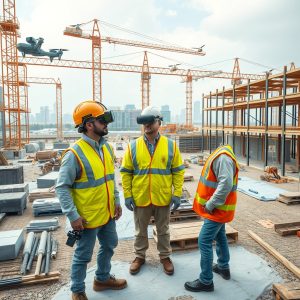
The integration of smart building technology is another game-changer in industrial property construction. These technologies leverage the Internet of Things (IoT), artificial intelligence (AI), and data analytics to create buildings that are more efficient, secure, and adaptable. For instance, IoT-enabled sensors can monitor energy usage in real-time, adjusting lighting, heating, and cooling systems to optimize efficiency. AI-driven predictive maintenance systems can detect potential equipment failures before they occur, reducing downtime and extending the lifespan of critical infrastructure.
Smart building technology also enhances the safety and productivity of industrial spaces. Automated access control systems, surveillance cameras, and emergency response protocols ensure that facilities are secure and compliant with industry regulations. Furthermore, these technologies enable seamless communication between different systems within a building, creating a cohesive and responsive environment that can adapt to the needs of its occupants. As industrial properties become more complex, the role of smart technology in their construction and operation will only grow in importance.
Modular Construction: A Catalyst for Efficiency and Sustainability
Modular construction is rapidly gaining traction in the industrial property sector, offering a faster, more flexible, and sustainable alternative to traditional building methods. This approach involves constructing building components off-site in a controlled factory environment, which are then transported and assembled on-site. The benefits of modular construction are manifold: it reduces construction time by up to 50%, minimizes waste, and lowers labor costs. Additionally, the precision of factory-based manufacturing ensures higher quality control and consistency in the final product.
For industrial properties, modular construction is particularly advantageous because it allows for easy expansion or reconfiguration of spaces as business needs evolve. This adaptability is crucial in an era where industries are constantly innovating and requiring more agile infrastructure. Moreover, the reduced environmental impact of modular construction aligns with the growing emphasis on sustainability in urban development. By minimizing on-site disruption and waste, modular construction is helping to create industrial properties that are not only efficient but also environmentally responsible.
Precast Concrete Solutions: Strength, Durability, and Sustainability
Precast concrete is another innovative solution that is transforming industrial property construction. Unlike traditional cast-in-place concrete, precast concrete is manufactured off-site and delivered ready for installation, offering significant advantages in terms of speed, quality, and sustainability. Precast concrete components are produced in a controlled environment, ensuring consistent strength and durability while reducing the risk of defects. This method also allows for greater design flexibility, enabling architects to create complex structures that meet the specific needs of industrial properties.
From an environmental perspective, precast concrete is a more sustainable option compared to traditional concrete. It generates less waste, requires fewer raw materials, and can incorporate recycled content, such as fly ash or slag. Additionally, precast concrete structures have excellent thermal mass properties, which can improve energy efficiency by reducing heating and cooling demands. As industrial properties continue to evolve, precast concrete solutions are becoming an increasingly popular choice for developers looking to balance performance, cost, and sustainability.
The Future of Industrial Property Development: A Holistic Approach
The future of industrial property construction lies in a holistic approach that integrates sustainable practices, smart technologies, and innovative building methods. As urban infrastructure projects become more complex, the need for industrial properties that are efficient, adaptable, and environmentally responsible will only intensify. Developers and architects must continue to push the boundaries of what is possible, leveraging advancements in materials, technology, and design to create spaces that meet the demands of today while anticipating the challenges of tomorrow.
This evolution is not just about constructing buildings; it is about reimagining the role of industrial properties within the broader urban ecosystem. By prioritizing sustainability, efficiency, and innovation, industrial property development can contribute to the creation of cities that are not only economically vibrant but also environmentally resilient. The choices made today in industrial construction will shape the urban landscapes of the future, making it imperative for stakeholders to embrace a forward-thinking mindset that balances progress with responsibility.
The journey toward sustainable industrial property development is well underway, and the innovations driving this transformation are a testament to the industry’s commitment to building a better, more sustainable world. As these practices become more widespread, they will not only redefine the standards of industrial construction but also inspire other sectors to follow suit, creating a ripple effect that benefits communities, economies, and the planet as a whole.