The Impact of Infrastructure Development on Property Values in Surabaya
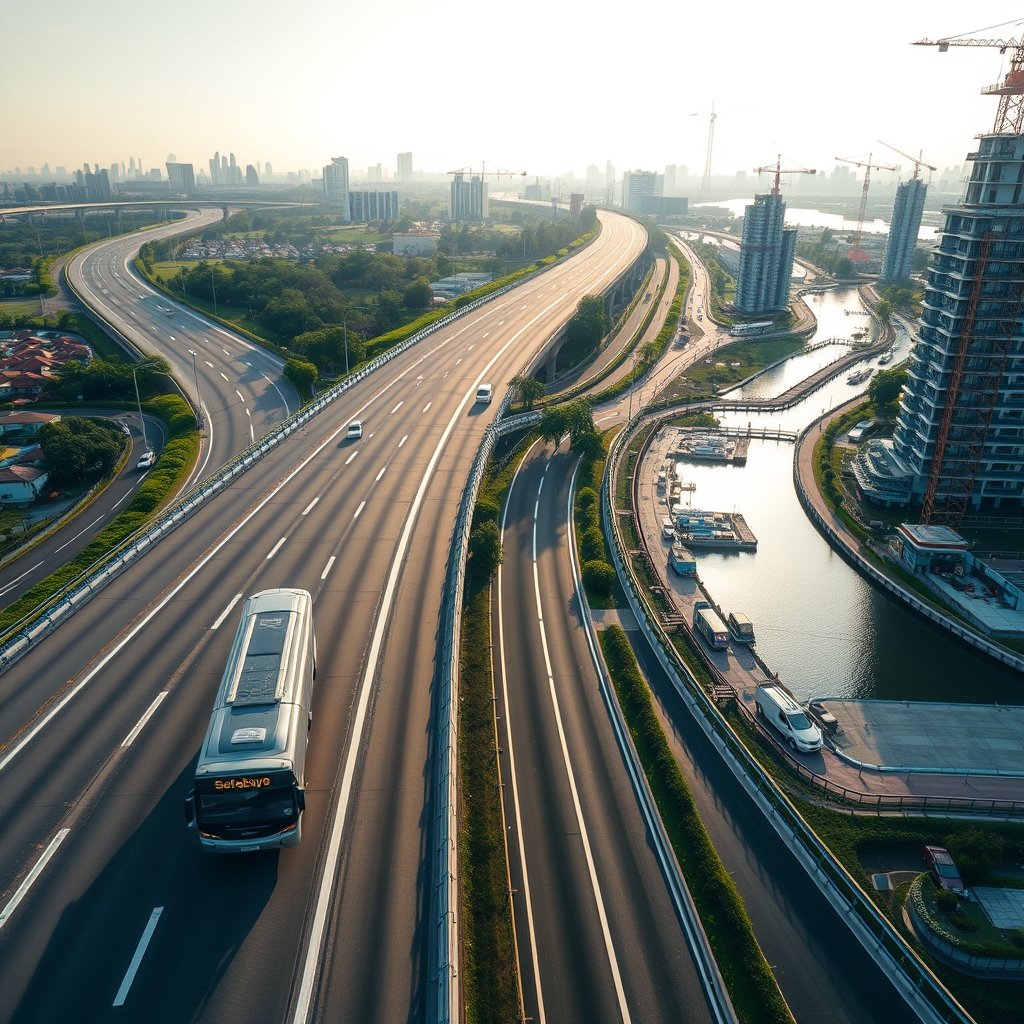
Surabaya, Indonesia’s second-largest city, has long been a hub of economic activity, trade, and urban growth. In recent years, the city has undergone significant transformations, particularly in its infrastructure. New highways, expanded public transport networks, and large-scale urban development projects are reshaping the landscape—and with it, the dynamics of the property market. For investors, homeowners, and policymakers alike, understanding the correlation between infrastructure development and property values is crucial for making informed decisions.
The Ripple Effect of Highways and Road Networks
One of the most visible changes in Surabaya’s infrastructure is the expansion of its highway system. Projects like the Surabaya-Mojokerto Toll Road and the ongoing development of the Trans-Java Toll Road have drastically reduced travel times between Surabaya and neighboring regions. These improvements have not only enhanced connectivity but also sparked a surge in property demand along these corridors.
Properties located near toll roads and major highways tend to appreciate faster than those in less accessible areas. The logic is simple: easier access to business districts, industrial zones, and commercial centers makes these locations more desirable. For example, areas like Waru and Sidoarjo, which lie along the Surabaya-Mojokerto Toll Road, have seen a noticeable uptick in residential and commercial property values. Developers are quick to capitalize on this trend, launching new housing projects and mixed-use developments to cater to the growing demand.
Public Transport: A Game-Changer for Urban Living
Surabaya’s public transport system has also undergone a major overhaul, with the introduction of the Suroboyo Bus and the expansion of the city’s rail network. The Suroboyo Bus, in particular, has become a popular mode of transportation, offering affordable and efficient travel across key areas of the city. The integration of these transport systems has made previously overlooked neighborhoods more attractive to potential buyers and renters.
Areas served by the Suroboyo Bus, such as Benowo and Dupak, have experienced a rise in property values as accessibility improves. The convenience of public transport reduces reliance on private vehicles, making these locations ideal for young professionals and families. Additionally, the government’s plans to expand the rail network, including the Surabaya Mass Rapid Transit (MRT) project, are expected to further boost property values in adjacent areas. Investors are already eyeing these developments, anticipating long-term gains as the city’s transport infrastructure matures.
Urban Development Projects: Catalysts for Growth
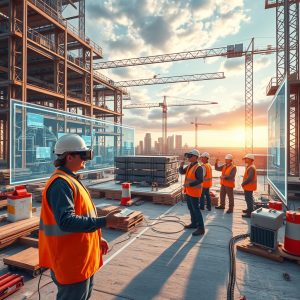
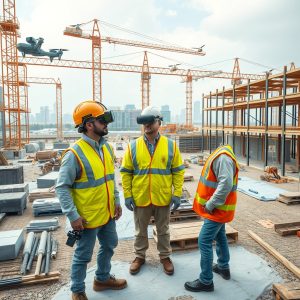
Beyond transportation, Surabaya’s urban development projects are playing a pivotal role in shaping property values. Initiatives like the revitalization of the Kalimas River, the development of the Surabaya North Quay, and the construction of new business districts are transforming the city’s skyline. These projects are not only enhancing the city’s aesthetic appeal but also creating new economic opportunities.
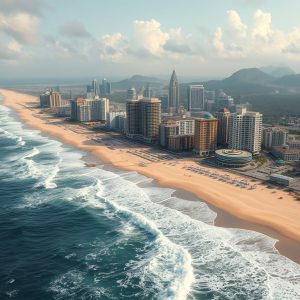
The Kalimas River revitalization project, for instance, aims to restore the river’s ecological health while developing waterfront properties. This has led to a surge in demand for properties along the riverbanks, with developers launching luxury condominiums and commercial spaces. Similarly, the Surabaya North Quay project, which includes a new port and business hub, is expected to attract multinational corporations and investors, driving up property values in the surrounding areas.
The Role of Zoning and Land Use Policies
Infrastructure development does not occur in a vacuum—it is closely tied to zoning and land use policies. Surabaya’s local government has been proactive in updating these policies to align with the city’s growth trajectory. For example, the rezoning of certain areas to accommodate mixed-use developments has allowed for greater flexibility in property usage, attracting both residential and commercial investors.
However, these changes also come with challenges. Rapid urbanization can lead to issues such as traffic congestion, overcrowding, and strain on existing infrastructure. To mitigate these risks, the government has implemented measures like green building regulations and sustainable urban planning. These efforts are designed to ensure that infrastructure development does not outpace the city’s capacity to support it, thereby safeguarding property values in the long run.
Investor Sentiment and Market Dynamics
The impact of infrastructure development on property values is not just theoretical—it is reflected in investor sentiment and market dynamics. Real estate developers are increasingly focusing on areas with planned or ongoing infrastructure projects, as these locations offer higher potential for appreciation. For individual investors, properties near new highways, public transport hubs, or urban development zones are seen as safer bets with strong growth prospects.
Data from property market reports indicate that properties in Surabaya’s infrastructure-rich zones have appreciated at a rate of 10-15% annually, outpacing the city’s average. This trend is expected to continue as the city invests more in its infrastructure. However, investors must also consider factors such as market saturation, regulatory changes, and economic conditions, which can influence the trajectory of property values.
As Surabaya continues to evolve, the interplay between infrastructure development and property values will remain a defining feature of its urban landscape. The city’s ability to balance growth with sustainability will determine whether the current upward trend in property values is sustainable. For now, the signs are promising, with infrastructure acting as a powerful engine driving the city’s real estate market forward. The transformation of Surabaya is not just about buildings and roads—it is about creating a more connected, vibrant, and valuable urban environment for all its residents.