The Rise of Zero Carbon Buildings: Pioneering Eco-Friendly Architecture for a Sustainable Future
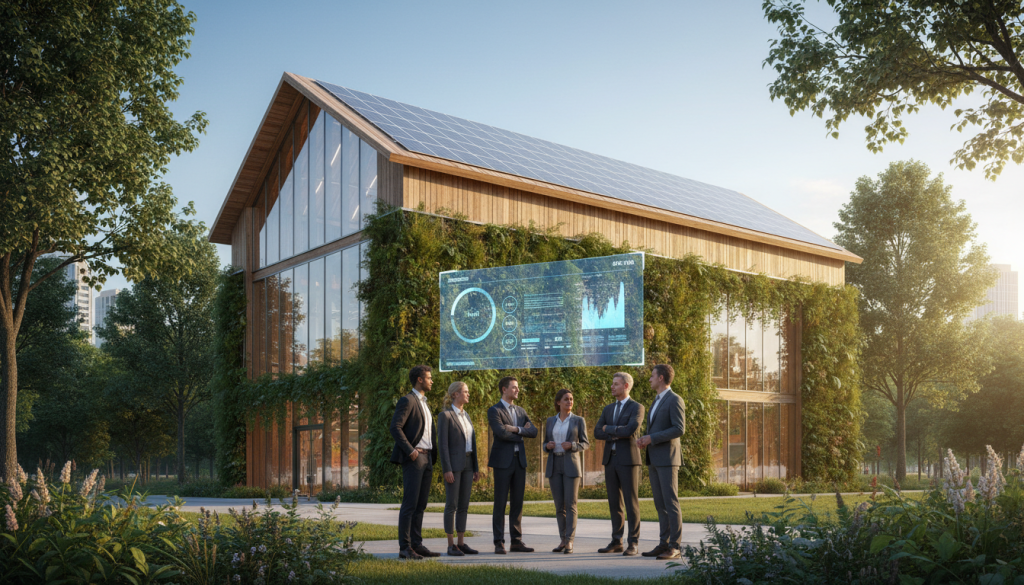
The global construction industry stands at a critical juncture, facing mounting pressure to address its significant environmental impact. Historically, buildings have been major contributors to greenhouse gas emissions and resource depletion. However, a paradigm shift is underway, driven by the imperative to create a more sustainable future. At the forefront of this transformation is the concept of Zero Carbon Buildings, an ambitious yet achievable goal that redefines eco-friendly architecture and sustainable construction methods. This movement is not merely about reducing emissions during the operational phase of a building; it encompasses the entire lifecycle, from material sourcing and construction to deconstruction and disposal.
Embracing Energy Efficient Design Principles
Achieving zero carbon status necessitates a holistic approach to energy efficient design. This begins with meticulous planning that prioritizes passive design strategies. Optimizing building orientation to maximize natural light and minimize solar heat gain in warmer months is fundamental. High-performance insulation, advanced window technologies like smart glass, and airtight building envelopes are crucial for reducing the energy required for heating and cooling. Furthermore, integrating renewable energy sources, such as solar panels and geothermal systems, directly into the building’s design ensures that its operational energy needs are met sustainably. The goal is to minimize energy demand first, then meet the residual demand with clean, renewable sources.
Advanced Building Materials and Modular Construction
The materials used in construction play a pivotal role in a building’s carbon footprint. The move towards zero carbon buildings encourages the adoption of advanced building materials that are not only durable and high-performing but also have a low embodied carbon. This includes the increased use of recycled materials, sustainably sourced timber, and innovative composites. Prefabricated home systems and modular construction trends are also gaining significant traction. These methods allow for greater precision in material usage, reduced waste on-site, and often a faster construction timeline, all of which contribute to a more sustainable building process. Modular construction, in particular, can lead to higher quality control and a more predictable environmental impact.
The Role of Smart Building Technology and BIM
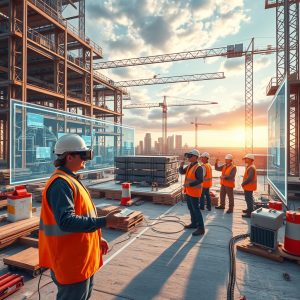
Smart building technology is an indispensable ally in the pursuit of zero carbon buildings. Integrated systems that monitor and optimize energy consumption, lighting, heating, ventilation, and air conditioning (HVAC) are essential for maintaining peak efficiency. Sensors and data analytics can identify areas of energy wastage and allow for real-time adjustments, ensuring that a building operates at its most sustainable. Building Information Modeling (BIM) is equally vital. BIM facilitates a collaborative approach to design and construction, enabling stakeholders to visualize and analyze the environmental performance of a building from the earliest stages. This digital precision allows for the identification of potential inefficiencies and the optimization of material use and construction processes, directly contributing to reduced carbon emissions and enhanced sustainability.
Green Building Certification as a Benchmark
Green building certification programs, such as LEED, BREEAM, and Green Star, provide a standardized framework for assessing and verifying the sustainability of buildings. These certifications act as crucial benchmarks, encouraging developers and contractors to adopt best practices in eco-friendly architecture and sustainable construction methods. Achieving a high level of certification often signifies a commitment to energy efficiency, water conservation, responsible material selection, and improved indoor environmental quality. For commercial property construction and industrial property development, these certifications are increasingly becoming a market differentiator, attracting environmentally conscious tenants and investors. They offer a tangible assurance of a building’s performance and its contribution to a greener built environment.
Addressing Challenges and Looking Ahead
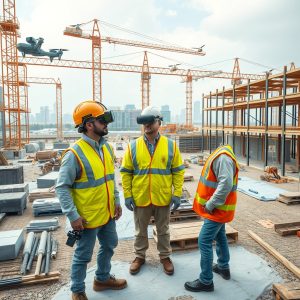
While the vision of zero carbon buildings is compelling, the path to widespread adoption is not without its challenges. The initial investment costs for advanced technologies and sustainable materials can sometimes be higher, requiring careful financial planning and a long-term perspective on return on investment. Educating the workforce on new construction site safety protocols related to advanced materials and modular systems is also paramount. Furthermore, evolving building codes and regulations need to keep pace with the rapid advancements in eco-friendly architecture. Despite these hurdles, the momentum is undeniable. As technology advances and economies of scale are realized, the cost-effectiveness of zero carbon buildings will continue to improve. The growing awareness of climate change and the demand for healthier, more efficient living and working spaces are powerful drivers. Ultimately, the transition to zero carbon buildings is not just an environmental imperative; it’s an economic opportunity and a crucial step towards creating resilient, healthy, and thriving communities for generations to come.
The ongoing evolution of sustainable construction methods, coupled with innovations in materials and digital tools, is paving the way for a future where buildings actively contribute to environmental well-being rather than detracting from it. This shift represents a profound commitment to responsible development, where every design choice and construction technique is weighed against its impact on the planet, ensuring that our built environment harmonizes with the natural world.