The Future is Built: Innovations Shaping Sustainable and Smart Construction
The Dawn of a New Era in Construction
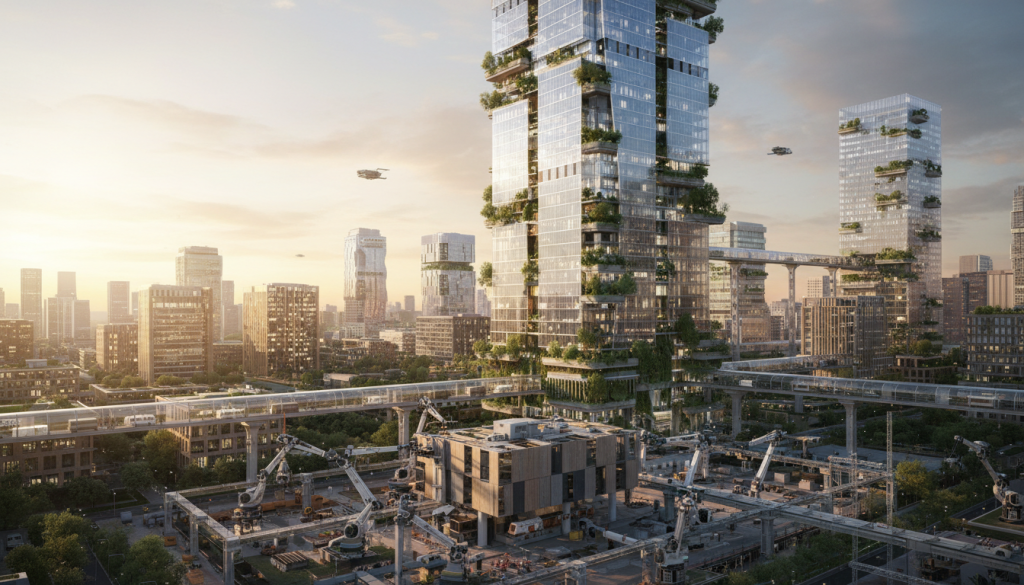
The construction industry, long associated with traditional methods and significant environmental impact, is undergoing a profound transformation. Driven by a global imperative for sustainability, efficiency, and technological advancement, new methodologies and materials are reshaping how we design, build, and inhabit our spaces. From the micro-level of advanced building materials to the macro-level of urban infrastructure projects, innovation is no longer a luxury but a necessity. This article delves into the key trends and technologies that are defining the future of construction, focusing on how they contribute to greener, smarter, and more resilient built environments.
Embracing Eco-Friendly Architecture and Green Building Certification
At the forefront of this evolution is the widespread adoption of eco-friendly architecture and rigorous green building certification standards. Certifications like LEED (Leadership in Energy and Environmental Design), BREEAM, and Green Globes provide frameworks for evaluating and verifying the environmental performance of buildings. This isn’t merely about ticking boxes; it’s a holistic approach that considers energy efficiency, water conservation, material selection, indoor environmental quality, and site sustainability. Architects and developers are increasingly prioritizing designs that minimize their ecological footprint, incorporating features such as passive solar design, green roofs, rainwater harvesting systems, and the use of recycled and locally sourced materials. The ultimate goal for many is the creation of zero carbon buildings, structures that produce as much renewable energy as they consume, marking a significant step towards mitigating climate change.
Sustainable Construction Methods: Building with Purpose
Sustainable construction methods go hand-in-hand with eco-friendly design principles. This encompasses a broad range of practices aimed at reducing waste, conserving resources, and minimizing pollution throughout the construction lifecycle. Building Information Modeling (BIM) plays a pivotal role here, enabling detailed 3D modeling that facilitates better planning, clash detection, and resource management, thereby reducing material waste and rework. Modular construction trends and precast concrete solutions are also gaining significant traction. Modular construction involves fabricating building components or entire modules off-site in a controlled factory environment, which leads to faster construction times, improved quality control, reduced site disruption, and less waste. Prefabricated home systems, a subset of modular construction, are making housing more accessible and efficient. Similarly, precast concrete elements offer durability, speed of assembly, and a reduced on-site footprint.
The Rise of Smart Building Technology
Beyond the physical structure, the integration of smart building technology is revolutionizing building performance and occupant experience. Smart buildings are equipped with interconnected systems that monitor, control, and optimize various aspects of a building’s operation, including lighting, heating, ventilation, and security. Advanced sensors, IoT devices, and AI-powered analytics enable buildings to adapt to changing conditions, reduce energy consumption, and enhance comfort and productivity. Smart glass installation, for instance, can dynamically adjust its tint to control solar heat gain and glare, further optimizing energy efficiency. These intelligent systems not only improve operational efficiency but also provide valuable data for ongoing performance analysis and predictive maintenance, leading to lower operating costs and extended building lifespans.
Advanced Materials and Modern Steel Structures
The materials we use are as crucial as the methods we employ. The development of advanced building materials is a key driver of sustainable and efficient construction. This includes innovative composites, self-healing concrete, advanced insulation materials, and low-VOC (Volatile Organic Compound) paints and finishes that improve indoor air quality. Modern steel structures, known for their strength, durability, and recyclability, continue to be a popular choice, especially for high-rise construction and industrial property development. Steel’s ability to be prefabricated off-site also aligns well with modular construction trends, further enhancing efficiency. The precision and strength of steel allow for lighter yet more robust structures, enabling greater design flexibility and faster erection times, contributing to the viability of large-scale urban infrastructure projects.
Ensuring Safety and Accessibility in Construction
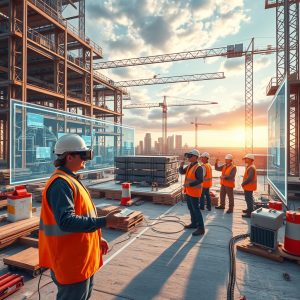
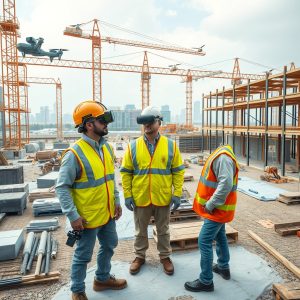
While innovation drives progress, construction site safety remains a paramount concern for any residential building contractor or commercial property construction firm. Advanced technologies, including drones for site monitoring, wearable sensors for worker safety, and sophisticated project management software, are enhancing safety protocols. BIM, again, plays a crucial role in identifying potential hazards during the design phase, allowing for proactive mitigation. Furthermore, the industry is increasingly focused on developing low-cost housing technologies and solutions that make quality, sustainable housing accessible to a wider population. This involves exploring innovative materials, efficient construction methods, and community-focused development strategies. The goal is to build not just efficiently and sustainably, but also equitably.
The confluence of these advancements – from the conceptualization of eco-friendly architecture and the implementation of sustainable construction methods to the integration of smart building technology and the use of advanced materials – signifies a fundamental shift in the construction landscape. This evolution promises not only to reduce the environmental impact of our built world but also to create healthier, more efficient, and more responsive living and working spaces for generations to come. The commitment to innovation, coupled with a growing awareness of our ecological responsibilities, is laying the foundation for a future where buildings are intelligent, sustainable, and integral to a thriving planet.