The Blueprint of Tomorrow: How Energy-Efficient Design and Smart Building Technology Are Redefining Urban Infrastructure Projects
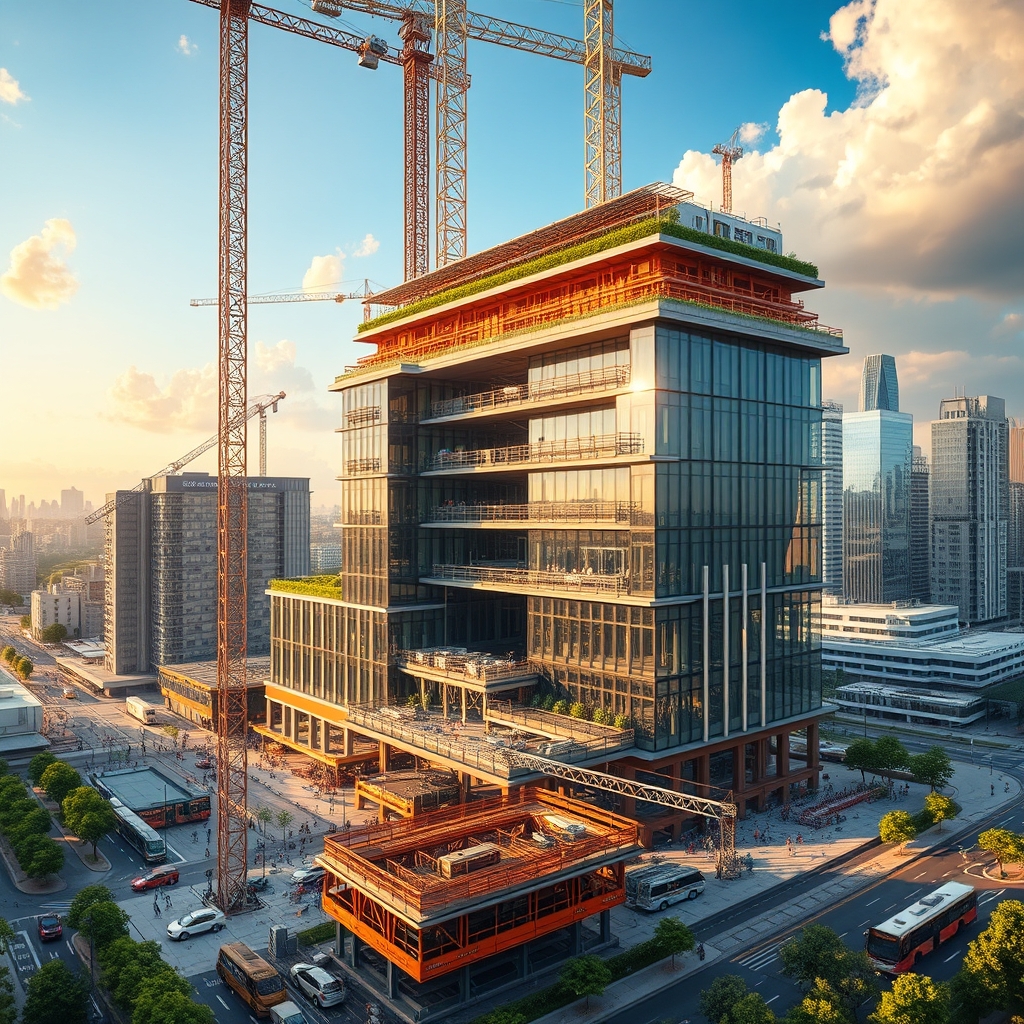
Urban infrastructure projects are the lifeblood of modern cities, shaping how we live, work, and interact with our environment. As urbanization accelerates, the demand for smarter, more sustainable construction methods has never been greater. The integration of energy-efficient design and smart building technology is not just a trend—it’s a necessity for creating resilient, future-ready cities. These innovations are transforming urban landscapes, making them more adaptable, eco-friendly, and cost-effective.
The Role of Energy-Efficient Design in Urban Infrastructure
Energy-efficient design is at the forefront of sustainable urban development. By leveraging passive design strategies, such as optimal building orientation, natural ventilation, and high-performance insulation, cities can significantly reduce their energy consumption. For instance, incorporating green roofs and walls not only enhances aesthetic appeal but also improves thermal performance, reducing the need for artificial heating and cooling. These strategies are particularly impactful in high-rise construction, where energy demands are typically higher.
Moreover, urban infrastructure projects are increasingly adopting renewable energy sources like solar panels and wind turbines. These systems are seamlessly integrated into building designs, ensuring that structures generate as much energy as they consume. The result is a dramatic reduction in carbon footprints, aligning with global goals for zero-carbon buildings. Cities like Copenhagen and Singapore are leading the way, demonstrating how energy-efficient design can be scaled across entire urban ecosystems.
Smart Building Technology: The Nervous System of Modern Cities
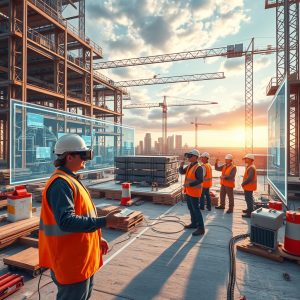
Smart building technology is revolutionizing how urban infrastructure operates. By embedding sensors, IoT devices, and AI-driven systems into buildings, cities can monitor and optimize energy use, water consumption, and even air quality in real time. For example, smart lighting systems adjust brightness based on occupancy, while automated HVAC systems respond to weather conditions and indoor temperature fluctuations. These technologies not only enhance efficiency but also improve the quality of life for urban dwellers.
Building Information Modeling (BIM) plays a pivotal role in this transformation. BIM allows architects, engineers, and contractors to collaborate on digital models that simulate every aspect of a building’s lifecycle—from construction to demolition. This level of precision reduces waste, minimizes errors, and ensures that projects are completed on time and within budget. In urban infrastructure projects, BIM is particularly valuable for coordinating complex systems like transportation hubs, hospitals, and commercial properties, where seamless integration is critical.
The Rise of Advanced Building Materials
The materials used in urban infrastructure are evolving rapidly. Traditional concrete and steel are being supplemented—or even replaced—by advanced alternatives like self-healing concrete, carbon-absorbing materials, and lightweight composites. These innovations not only enhance durability but also contribute to sustainability. For instance, precast concrete solutions reduce construction time and waste, while smart glass installations dynamically adjust transparency to optimize natural light and heat gain.
Modular construction trends are also gaining traction in urban projects. By prefabricating building components off-site, developers can accelerate construction timelines and reduce disruptions in densely populated areas. This method is particularly effective for low-cost housing technology, where speed and affordability are paramount. Cities like Tokyo and Amsterdam are embracing modular construction to address housing shortages while maintaining high standards of sustainability.
Safety and Sustainability: A Dual Priority
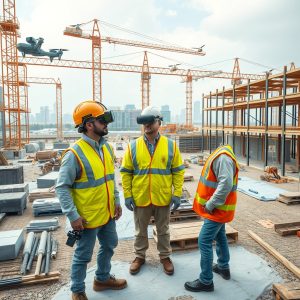
Construction site safety is a non-negotiable aspect of urban infrastructure projects. Smart building technology is enhancing safety through real-time monitoring of structural integrity, worker movements, and environmental conditions. Wearable devices equipped with GPS and biometric sensors can alert workers to potential hazards, while drones conduct aerial inspections to identify risks before they escalate. These innovations are reducing accidents and ensuring compliance with stringent safety regulations.
At the same time, green building certification systems like LEED and BREEAM are setting the standard for sustainable construction. These certifications evaluate projects based on energy efficiency, water conservation, material selection, and indoor environmental quality. Achieving certification not only validates a project’s sustainability credentials but also enhances its marketability and long-term value. Urban infrastructure projects that prioritize green building certification are positioning themselves as leaders in the transition to a low-carbon future.
The Future of Urban Infrastructure: A Holistic Approach
The convergence of energy-efficient design, smart building technology, and advanced materials is redefining what urban infrastructure can achieve. Cities are no longer just collections of buildings and roads—they are dynamic, interconnected ecosystems that adapt to the needs of their inhabitants. The shift toward zero-carbon buildings and sustainable construction methods is not just about reducing emissions; it’s about creating spaces that are healthier, more inclusive, and more resilient to climate change.
As urban populations continue to grow, the pressure on infrastructure will only intensify. The projects of today must be designed with flexibility in mind, capable of evolving alongside technological advancements and shifting societal demands. By embracing innovation and prioritizing sustainability, cities can ensure that their infrastructure remains a catalyst for progress, rather than a constraint. The blueprint for tomorrow’s cities is being drawn today, and it is one where smart technology and eco-friendly design work hand in hand to build a better future for all.