The Architectural Mirage: How Artificial Archipelagos Are Exploiting the Illusion of Infinite Space
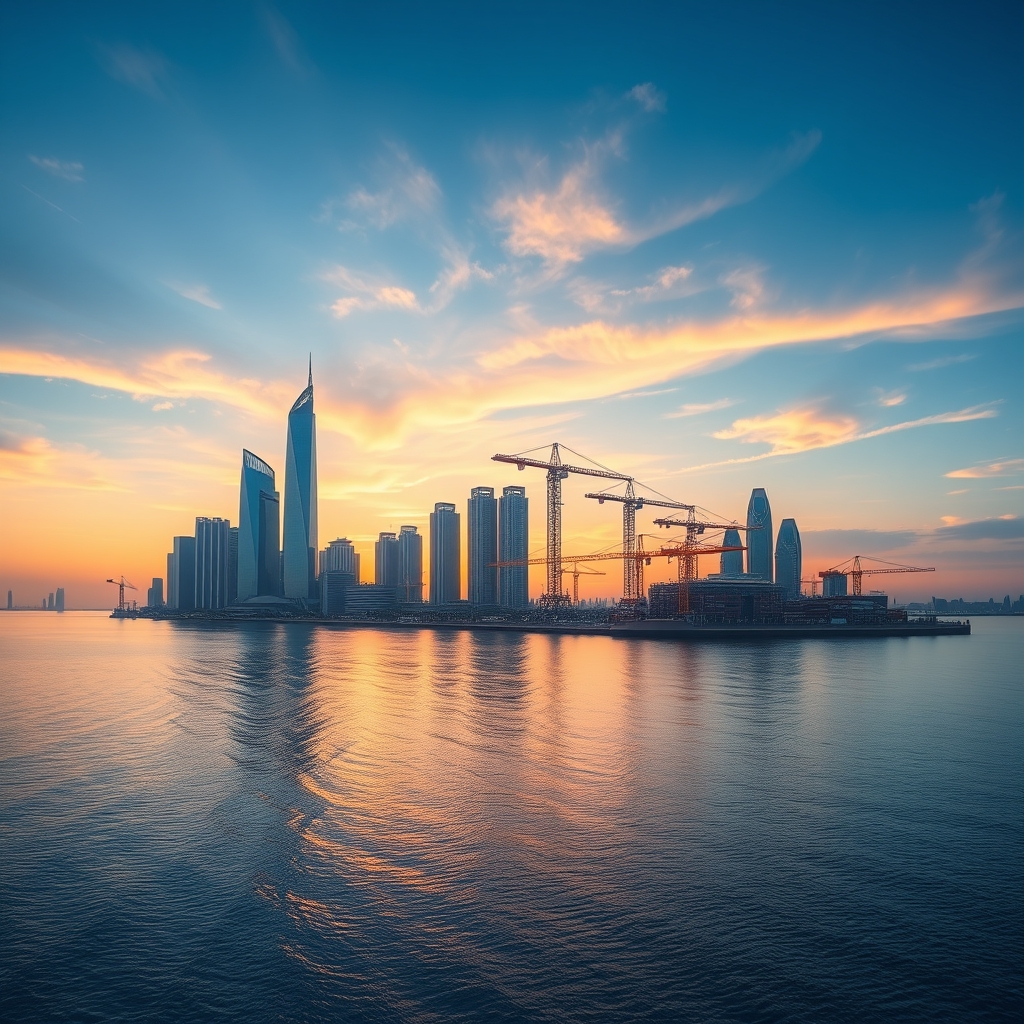
The rise of artificial archipelagos, or man-made islands, is a testament to human ingenuity and ambition. These islands, often created through land reclamation and coastal engineering, are becoming a new frontier for urban expansion and development. However, beneath the surface of this architectural marvel lies a complex interplay of ecological, environmental, and ethical considerations.
Land Reclamation: A Double-Edged Sword
Land reclamation, the process of creating new land from the sea, is a cornerstone of artificial archipelagos. This practice has been used for centuries, but the scale and speed of modern reclamation projects are unprecedented. The process involves dredging sand and sediment from the seabed, which is then used to build up the land. However, this practice is not without its environmental costs. The dredging process can disrupt marine ecosystems, and the new land can be unstable and prone to erosion.
Coastal Resilience: A Delicate Balance
One of the key considerations in artificial archipelagos is coastal resilience. These islands are often built in areas prone to natural disasters such as storms, hurricanes, and tsunamis. The goal is to create structures that can withstand these events, but the reality is more complex. The new land can be vulnerable to erosion and subsidence, and the infrastructure can be damaged by extreme weather events. Moreover, the process of land reclamation can exacerbate these issues by altering the natural coastal processes.
Smart Marine Cities: The Future of Urban Expansion
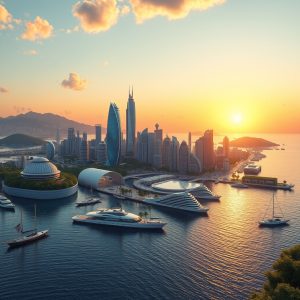
Smart marine cities, or cities built on artificial archipelagos, are a new model for urban expansion. These cities aim to be sustainable, efficient, and resilient, leveraging technology and innovation to create a new way of living. However, the concept of smart marine cities is not without its challenges. The environmental impact of these projects can be significant, and the long-term sustainability of these cities is uncertain.
Eco-Friendly Reclamation: A Misnomer?
Eco-friendly reclamation is often touted as a solution to the environmental impact of land reclamation. This involves using sustainable materials and methods, such as recycled concrete and natural vegetation, to create new land. However, the term ‘eco-friendly’ can be misleading. The process of land reclamation itself is inherently disruptive, and the long-term environmental impact of these projects is still unknown. Moreover, the concept of sustainability in the context of artificial archipelagos is complex and multifaceted.
The Ethical Dilemma of Coastal Sovereignty
The creation of artificial archipelagos raises significant ethical and geopolitical questions. Who owns the new land? How is sovereignty determined? These are complex questions that have no easy answers. The process of land reclamation can alter the natural coastline, potentially affecting the rights of indigenous communities and other stakeholders. Moreover, the creation of artificial archipelagos can have significant environmental impacts, raising questions about the ethics of coastal development.
The rise of artificial archipelagos is a testament to human ambition and ingenuity. These islands offer a new frontier for urban expansion and development, but the reality is more complex. The environmental impact of these projects is significant, and the long-term sustainability of these islands is uncertain. Moreover, the creation of artificial archipelagos raises significant ethical and geopolitical questions. As we continue to push the boundaries of coastal development, it is crucial that we consider the environmental, social, and ethical implications of our actions. The future of artificial archipelagos will be shaped by our ability to balance ambition with responsibility, innovation with sustainability, and control with nature’s unforgiving limits.