Revolutionizing Construction: The Role of Digital Twins and Human-Centric Design
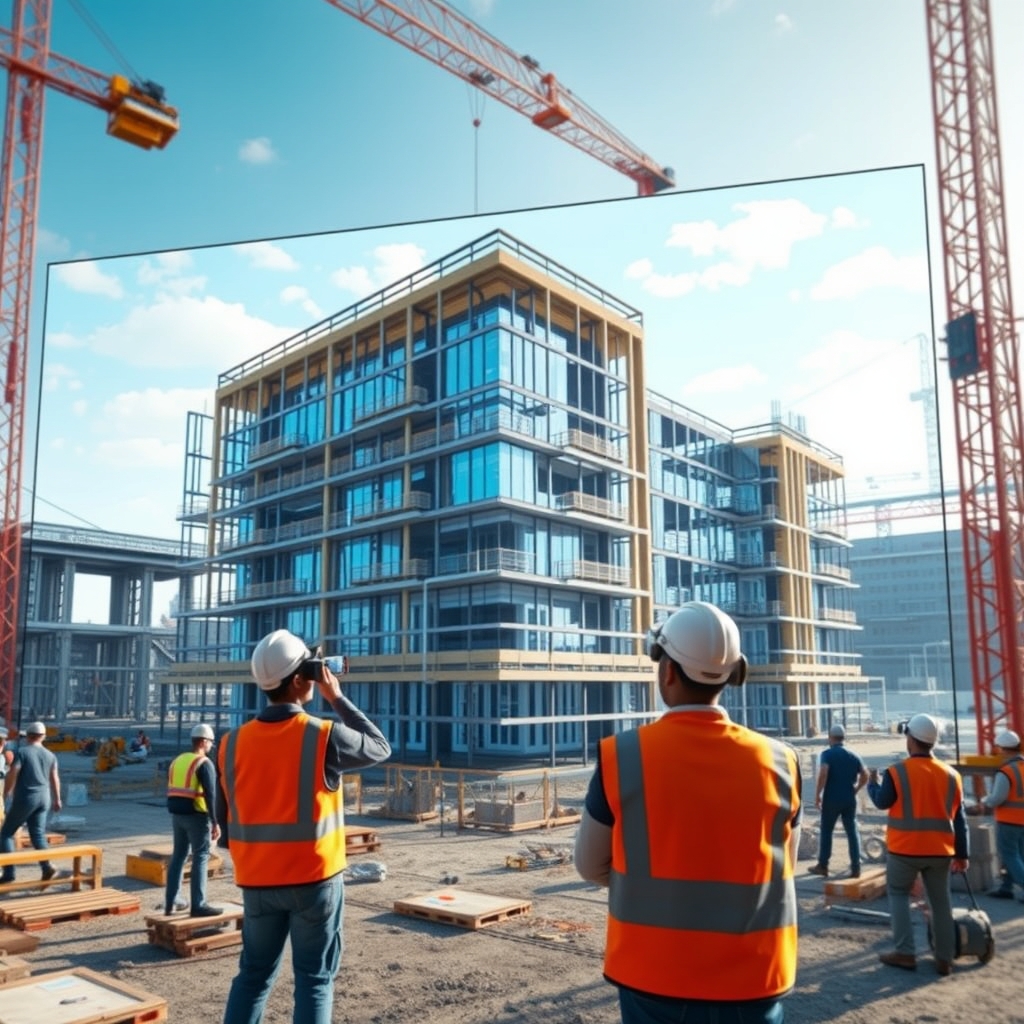
The construction industry is on the cusp of a significant transformation, driven by the integration of advanced technologies and a renewed focus on human-centric design. This shift is not just about building structures; it’s about creating spaces that are sustainable, efficient, and tailored to the needs of the people who will inhabit them.
Immersive Construction Planning
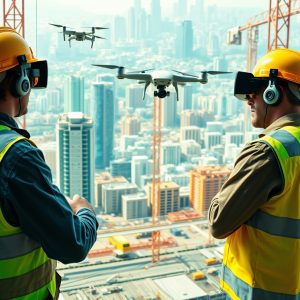
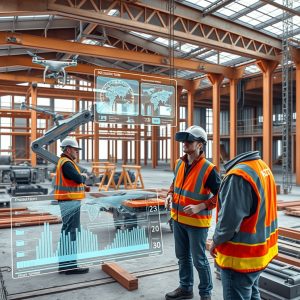
One of the most exciting developments in this arena is the use of immersive construction planning. This approach leverages virtual reality (VR) and augmented reality (AR) to create detailed, interactive models of construction sites and buildings. By immersing stakeholders in these virtual environments, project teams can better visualize the final product, identify potential issues, and make informed decisions before any physical work begins.
Benefits of Immersive Planning
The benefits of immersive planning are manifold. It enhances communication among team members, reduces the likelihood of costly errors, and accelerates the project timeline. Moreover, it allows for greater flexibility in design, enabling architects and engineers to experiment with different layouts and materials in a risk-free environment.
Digital Twin Site Management
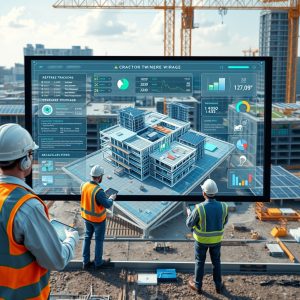
Another groundbreaking technology is the digital twin. A digital twin is a virtual replica of a physical asset, process, or system that uses real-time data to mirror its real-world counterpart. In construction, digital twins can be used to monitor the progress of a project, track resource usage, and predict potential issues before they arise.
Advantages of Digital Twins
The advantages of digital twins are clear. They provide real-time project transparency, allowing stakeholders to stay informed and make data-driven decisions. They also facilitate better resource allocation, ensuring that materials and labor are used efficiently. Additionally, digital twins can help identify and mitigate risks, leading to safer and more reliable construction processes.
Human-Centric Structural Design
At the heart of this technological revolution is a renewed emphasis on human-centric design. This approach prioritizes the needs and experiences of the people who will use the built environment. It involves considering factors such as accessibility, comfort, and aesthetics, as well as the environmental impact of the construction process.
Key Elements of Human-Centric Design
Human-centric design encompasses several key elements. It includes the use of eco-friendly materials, which not only reduce the environmental footprint of the project but also create healthier living and working spaces. It also involves the integration of smart technologies, such as automated building processes and precision engineering methods, which enhance the functionality and efficiency of the structure.
As the construction industry continues to evolve, the integration of immersive planning, digital twins, and human-centric design will play a crucial role in shaping the future of sustainable building. These technologies and approaches not only improve the efficiency and safety of construction projects but also ensure that the built environment is tailored to the needs of its users. By embracing these innovations, we can create spaces that are not only functional and sustainable but also truly human-centric.