The Alchemy of Modern Construction: How Advanced Building Materials Are Forging the Path to Zero-Carbon Buildings
In the relentless pursuit of sustainability, the construction industry stands at the precipice of a transformative era. The shift from traditional building practices to innovative, eco-conscious methodologies is not merely a trend but a necessity. At the heart of this evolution lies the alchemy of advanced building materials—substances engineered to redefine the very essence of construction, merging durability with environmental stewardship to pave the way for zero-carbon buildings.
The Material Revolution: Beyond Concrete and Steel
For decades, concrete and steel have been the backbone of construction, lauded for their strength and versatility. Yet, their environmental footprint is undeniable. The production of cement alone accounts for approximately 8% of global carbon dioxide emissions, a staggering figure that has spurred the search for alternatives. Enter advanced building materials: a new class of substances designed to minimize environmental impact without compromising performance.
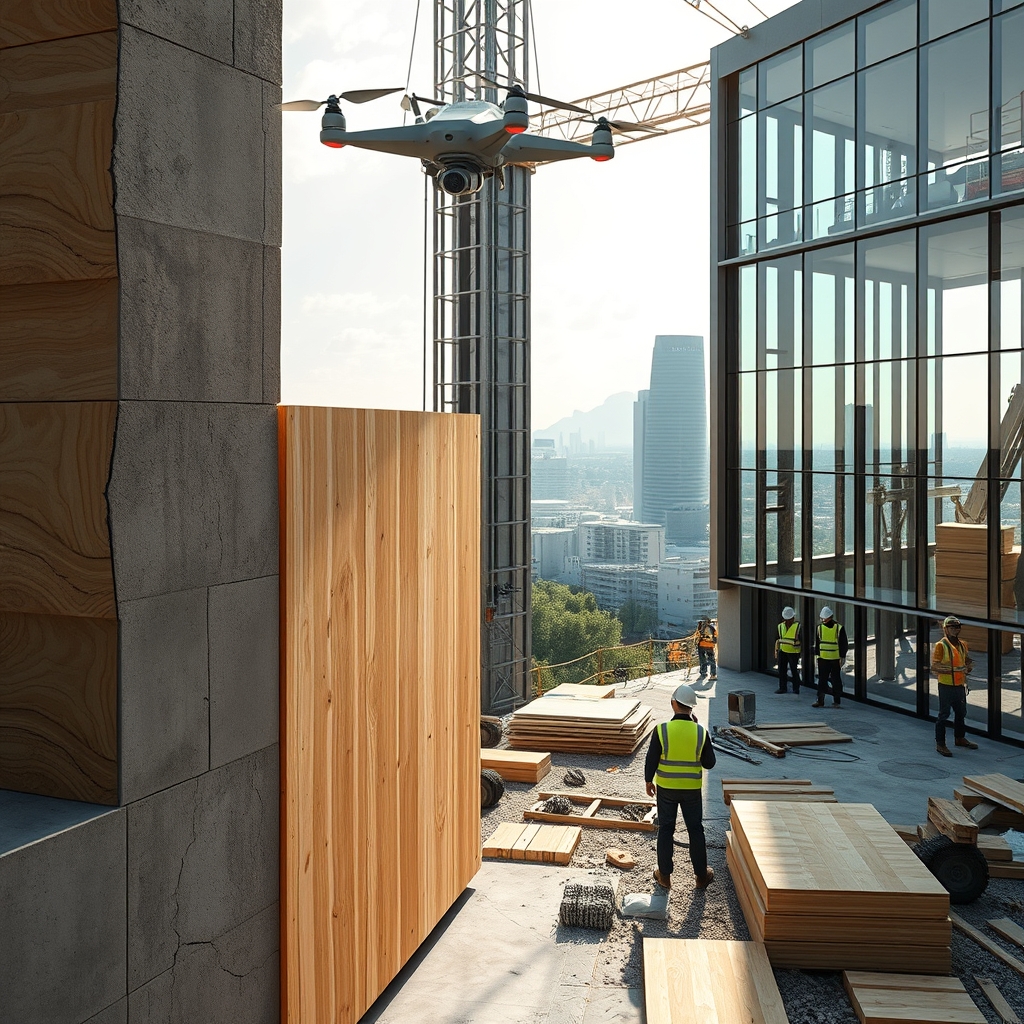
One such innovation is cross-laminated timber (CLT), a engineered wood product that offers the strength of steel and the versatility of concrete while sequestering carbon. Unlike traditional lumber, CLT is composed of layers of wood bonded together in perpendicular directions, creating a material that is not only robust but also inherently sustainable. Buildings constructed with CLT can reduce embodied carbon by up to 75% compared to their steel and concrete counterparts, making it a cornerstone of modern eco-friendly architecture.
The Rise of Self-Healing and Bio-Based Materials
The frontier of advanced materials extends beyond wood. Self-healing concrete, infused with bacteria that produce limestone when exposed to water, promises to extend the lifespan of structures while reducing maintenance costs and emissions. Similarly, bio-based materials like mycelium—a fungal network grown into specific shapes—are being explored for their insulating properties and minimal environmental impact. These materials are not just sustainable; they represent a paradigm shift in how we perceive construction, blurring the lines between biology and engineering.
Smart Integration: The Role of Technology in Material Innovation
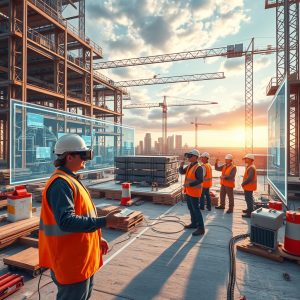
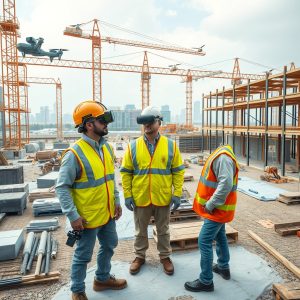
The synergy between advanced materials and smart building technology is where the true potential of zero-carbon buildings is unlocked. Building Information Modeling (BIM) plays a pivotal role in this integration, allowing architects and engineers to simulate the performance of new materials before they are even deployed. By leveraging BIM, construction teams can optimize material usage, reduce waste, and ensure that every element of a building contributes to its overall sustainability.
Smart glass, another technological marvel, is transforming the way buildings interact with their environment. Electrochromic glass, which can dynamically adjust its tint based on sunlight exposure, reduces the need for artificial lighting and air conditioning, significantly cutting energy consumption. When paired with advanced insulation materials like aerogels—ultra-lightweight solids with exceptional thermal properties—the result is a building envelope that is both energy-efficient and responsive to its surroundings.
Modular and Prefabricated Systems: Efficiency Meets Sustainability
The adoption of modular construction trends and prefabricated home systems further amplifies the benefits of advanced materials. By manufacturing building components off-site in controlled environments, construction teams can minimize material waste, reduce transportation emissions, and accelerate project timelines. Prefabricated systems also allow for greater precision in material usage, ensuring that every resource is maximized. When combined with materials like CLT or recycled steel, modular construction becomes a powerhouse of sustainability, offering a scalable solution for urban infrastructure projects and low-cost housing technology alike.
The Certification Imperative: Validating Sustainable Practices
As the construction industry embraces these innovations, the importance of green building certification cannot be overstated. Certifications like LEED (Leadership in Energy and Environmental Design) and BREEAM (Building Research Establishment Environmental Assessment Method) provide a framework for evaluating the sustainability of buildings, ensuring that advanced materials and technologies are deployed effectively. These certifications not only validate a building’s environmental performance but also enhance its marketability, attracting investors and tenants who prioritize sustainability.
For developers and contractors, achieving green certification is no longer a luxury but a competitive necessity. It signals a commitment to reducing carbon footprints and aligns with the growing demand for eco-friendly architecture. Moreover, certified buildings often benefit from lower operating costs, higher occupancy rates, and increased asset value, making them a sound investment for the future.
Overcoming Challenges: The Road to Widespread Adoption
Despite the promise of advanced building materials, their widespread adoption faces several challenges. Cost remains a significant barrier, as many innovative materials are still in the early stages of commercialization and command premium prices. Additionally, the construction industry is notoriously resistant to change, with entrenched practices and regulatory hurdles slowing the transition to new methodologies.
However, the tide is turning. Governments and industry leaders are increasingly recognizing the urgency of sustainable construction, implementing policies and incentives to accelerate the adoption of advanced materials. For instance, the European Union’s Green Deal aims to make the continent climate-neutral by 2050, with a strong emphasis on sustainable building practices. Similarly, cities like Copenhagen and Amsterdam are leading the charge by mandating the use of low-carbon materials in public infrastructure projects.
The construction industry is on the cusp of a revolution, one where the alchemy of advanced materials and smart technologies converges to create buildings that are not only structurally sound but also environmentally responsible. As these innovations become more accessible and cost-effective, the vision of zero-carbon buildings will transition from aspiration to reality. The materials of tomorrow are already here, waiting to be harnessed in the quest for a sustainable future. The question is no longer whether we can build differently, but how quickly we can scale these solutions to meet the demands of a rapidly changing world. The blueprint for a greener future is being written today, one material at a time, and the time to act is now.